Nanobubbles Stick Around Thanks to Flowing Gas

Definition of Nanobubbles Nanobubbles are minuscule gas-filled cavities with diameters typically under 100 nanometers. These tiny bubbles have attracted considerable interest in modern physics and engineering due to their distinctive characteristics that differ markedly from larger bubbles. Unlike conventional bubbles, nanobubbles exhibit remarkable stability in liquid environments, persisting far longer than classical thermodynamics would predict, […]

Read More →

Earth’s Magnetic Field Gathers Momentum—A Magnetic Mystery Evolves

Definition of Earth’s Magnetic Field Earth’s magnetic field is a complex and ever-changing natural phenomenon generated by processes deep within the planet. It acts as a protective shield against harmful cosmic radiation and solar wind, playing a crucial role in maintaining conditions suitable for life. Often compared to a giant bar magnet, Earth’s magnetic field […]

Read More →

Electron Laser Packs a Punch: Powerful Light from Tiny Beams

Definition of Electron Lasers Electron lasers are advanced devices that generate intense, coherent light by harnessing the interaction between accelerated electrons and electromagnetic fields. Unlike traditional lasers that rely on atomic or molecular transitions, electron lasers utilize free electrons moving through magnetic structures to produce radiation. This technology represents a significant leap in photonics, merging […]

Read More →

Dry Ice Yields Ultrahard Glass: Breaking the Thermal Mold

Definition of Ultrahard Glass Ultrahard glass refers to a type of glass material exhibiting exceptional hardness and mechanical strength, achieved through innovative processing techniques. Unlike conventional glass, which is typically brittle and less resistant to deformation, ultrahard glass demonstrates enhanced durability and compressive strength, making it suitable for demanding industrial applications. Fundamentals of Glass Structure […]

Read More →

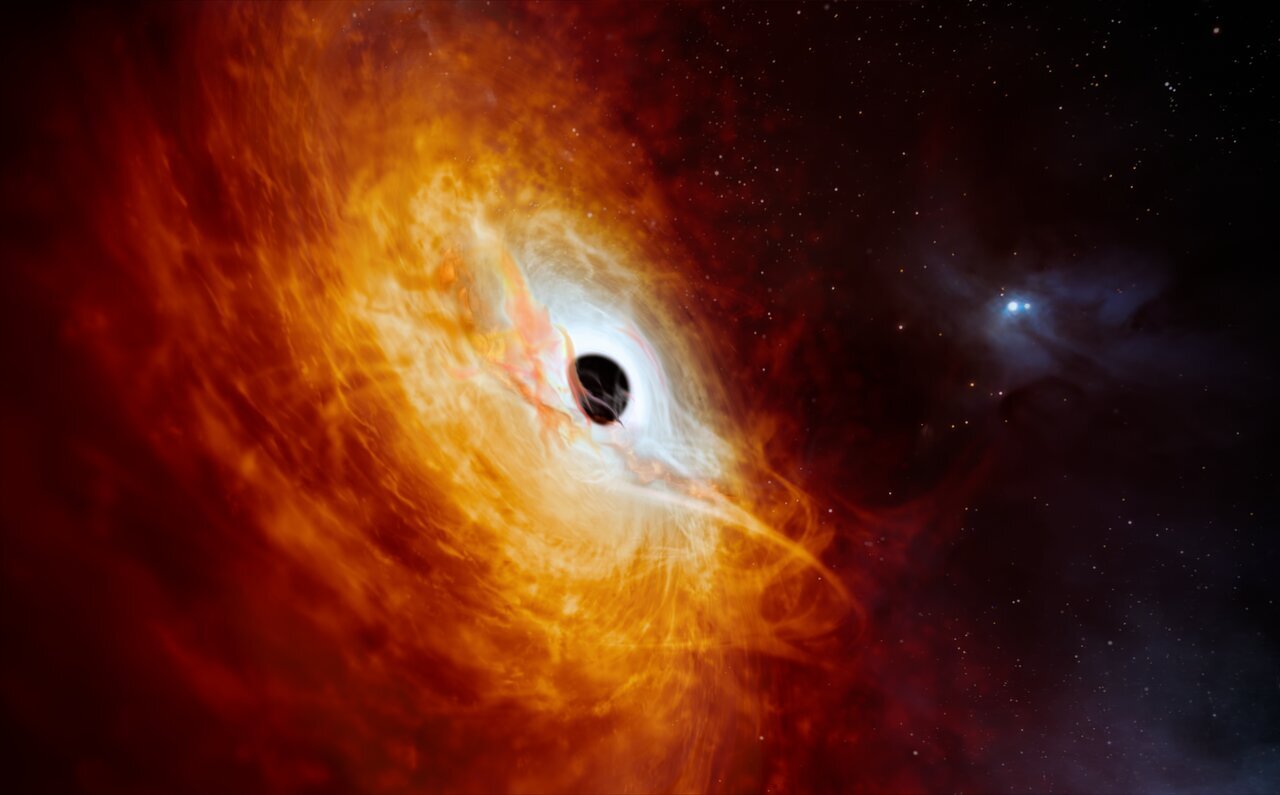
Deepest Look Yet: New Quasar Revealed in Record-Breaking Universe Snapshot

Definition of Quasars Quasars, short for “quasi-stellar objects,” are among the most luminous and enigmatic entities in the cosmos. Despite their star-like appearance, these objects emit energy on a scale comparable to thousands of entire galaxies. Their extraordinary brightness originates from the intense gravitational forces at play near supermassive black holes located at the centers […]

Read More →

When Fluid Dynamics Slips Up

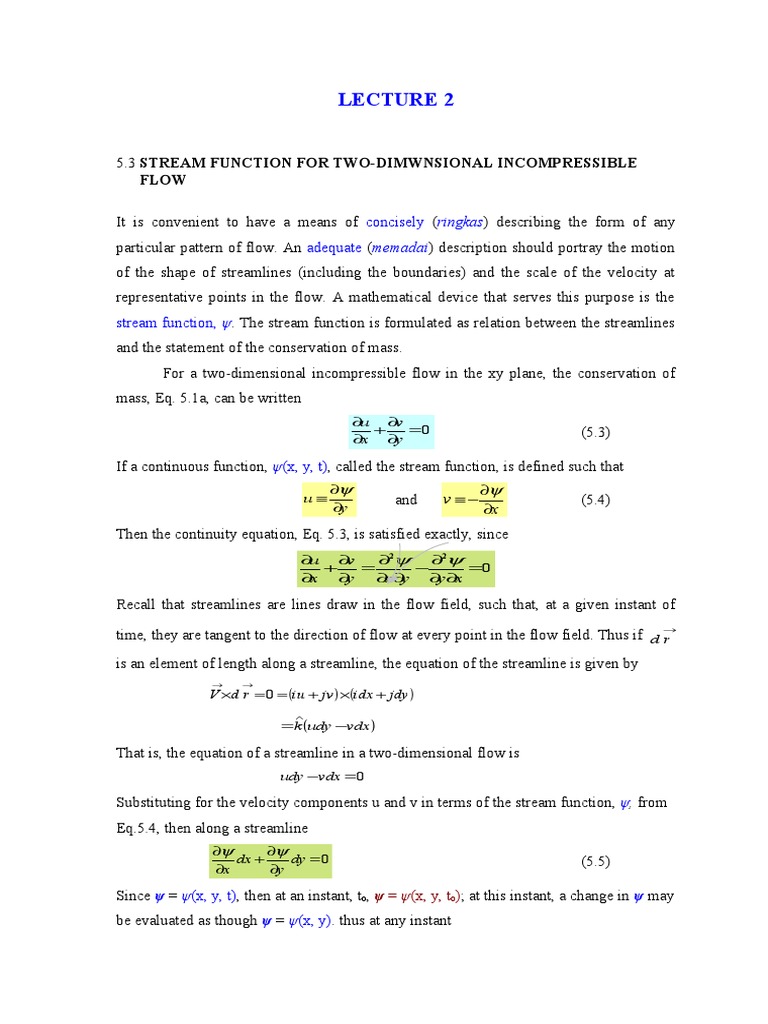
Definition of Fluid Dynamics Fluid dynamics is a specialized branch of physics and engineering that investigates the movement and behavior of fluids, encompassing both liquids and gases. This discipline is fundamental to understanding and designing systems in various fields, including aerodynamics in aviation and hydrodynamics in marine engineering. It focuses on how fluids flow, interact […]

Read More →

A New Look at the North Atlantic: The Cooling Power of Freshwater

Definition of Freshwater Influence on North Atlantic Thermohaline Circulation The interaction between freshwater inputs and the thermohaline circulation in the North Atlantic Ocean represents a critical component of Earth’s climate system. Thermohaline circulation, often described as the global ocean conveyor belt, is driven by variations in water density, which depend on temperature (thermo) and salinity […]

Read More →

Quantum Leap: Teleporting Energy Across Distances

Definition of Quantum Teleportation Quantum teleportation is a phenomenon within quantum mechanics that enables the transfer of quantum states from one particle to another without physically moving the particle itself. Unlike the teleportation depicted in science fiction, this process involves the precise replication of a quantum state at a distant location, effectively transmitting information rather […]

Read More →

Electrical Pulses Break Light Speed Record—A New Physics Frontier?

Understanding Superluminal Electrical Pulses Recent advancements in experimental physics have sparked renewed interest in the behavior of electrical impulses, particularly regarding claims that these signals might surpass the universal speed limit set by the speed of light. According to Einstein’s theory of relativity, the maximum speed attainable in the universe is approximately 299,792 kilometers per […]

Read More →

Electron Lifetime Exceeds 66000 Yottayears—Immortality at the Quantum Level

Definition of the Electron and Its Longevity The electron, a fundamental subatomic particle, plays a crucial role in the composition of matter and the manifestation of electricity. It is characterized by its negative electric charge and is a key constituent of atoms, orbiting the nucleus in defined quantum states. Recent scientific findings have revealed that […]

Read More →