How Scientists Hunt Dark Matter Deep Underground

Understanding Dark Matter Dark matter is a mysterious and invisible substance that permeates the universe, accounting for roughly 27% of its total mass-energy composition. Unlike ordinary matter, it does not emit, absorb, or reflect light, making it undetectable through conventional electromagnetic observations. Its existence is inferred primarily through gravitational effects on visible matter, radiation, and […]
Read More →

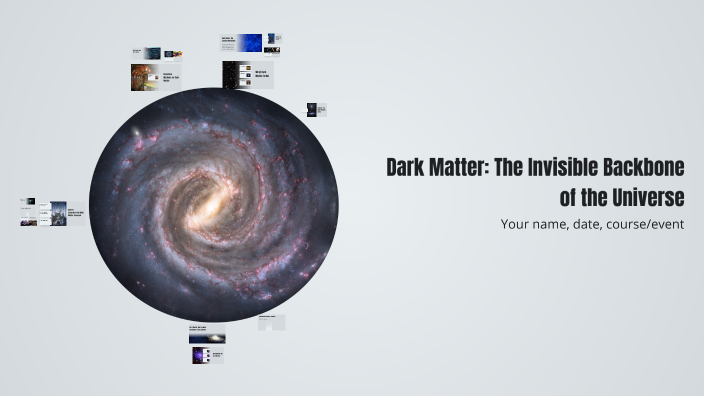
The Hidden Backbone of the Universe—Dark Matter Explained

Definition of Dark Matter Dark matter is a mysterious and invisible form of matter that constitutes a significant portion of the universe’s total mass. Unlike ordinary matter, it does not emit, absorb, or reflect light, making it undetectable through traditional electromagnetic observations. Despite its invisibility, dark matter exerts a powerful gravitational influence that shapes the […]

Read More →

What the Universe Is Really Made Of (Simple Guide)

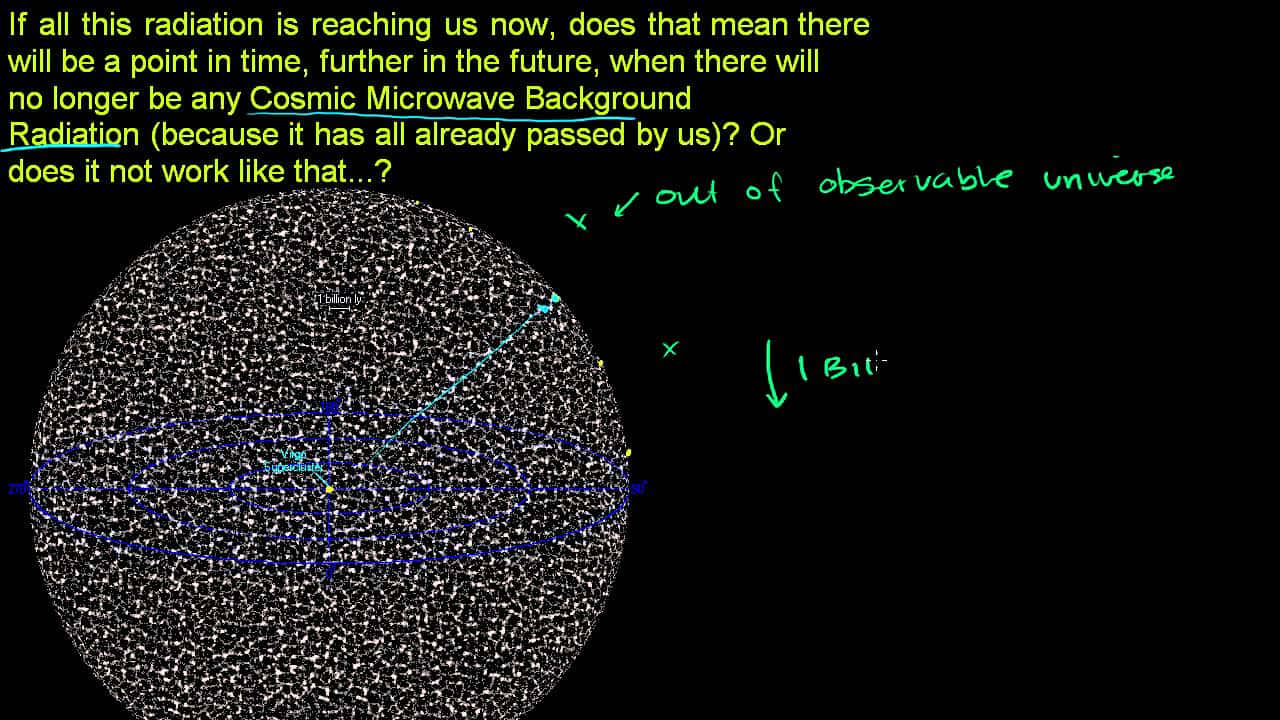
Definition of the Universe’s Composition The universe encompasses everything that exists in space and time, including all matter, energy, galaxies, stars, planets, and the vast voids between them. Understanding what constitutes the universe involves identifying its fundamental components, both visible and invisible, and recognizing their roles in shaping cosmic evolution. This knowledge extends beyond scientific […]

Read More →

What Is Dark Matter? The Simplest Explanation Ever

Definition of Dark Matter Dark matter is a form of matter that neither emits, absorbs, nor reflects electromagnetic radiation, rendering it invisible to conventional telescopes and detectors. Unlike the luminous components of the universe such as stars, planets, and gas clouds, dark matter cannot be observed directly. Its existence is inferred through its gravitational influence […]

Read More →

What Units Are Used in Orbital Calculations?

Definition of Units in Orbital Calculations Orbital calculations involve the precise measurement and application of various physical quantities to describe the motion of celestial bodies. These calculations rely on specific units to quantify distance, time, mass, velocity, and angles, which are essential for accurately predicting orbital paths, velocities, and gravitational interactions. The choice of units […]

Read More →

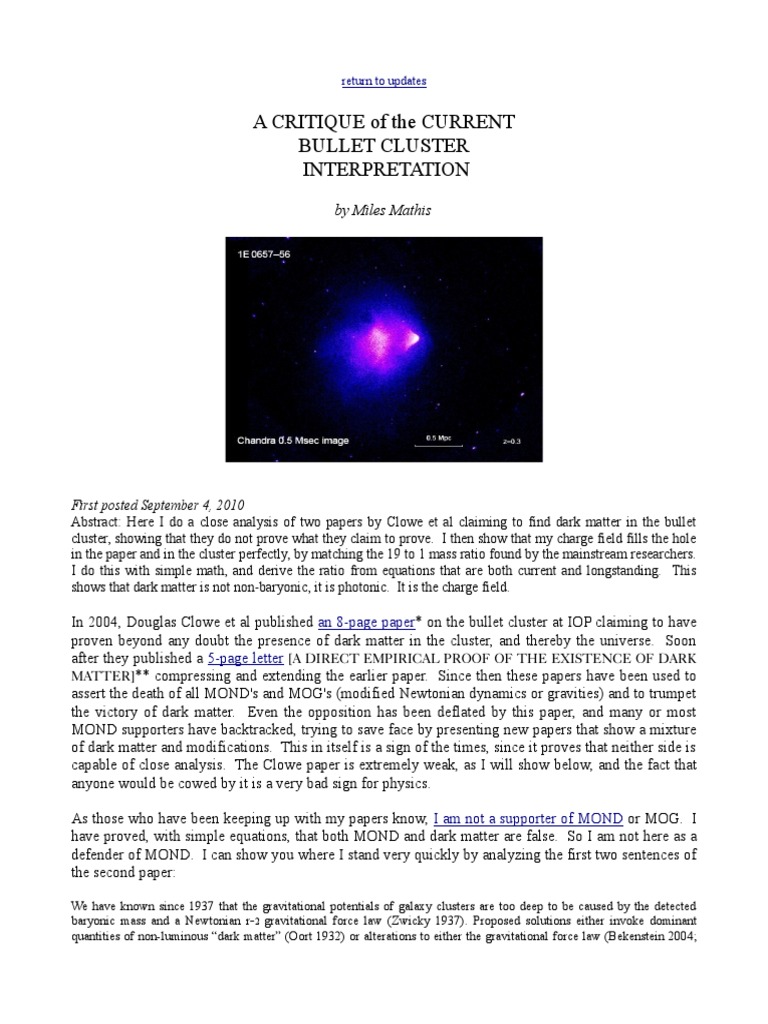
The Bullet Cluster—Smoking Gun or Misunderstood?

Definition and Overview of the Bullet Cluster The Bullet Cluster, officially designated as 1E 0657-56, is a remarkable astronomical system consisting of two galaxy clusters in the process of colliding. This event has become a cornerstone in astrophysics, often cited as compelling evidence for the existence of dark matter. The collision reveals a striking separation […]

Read More →

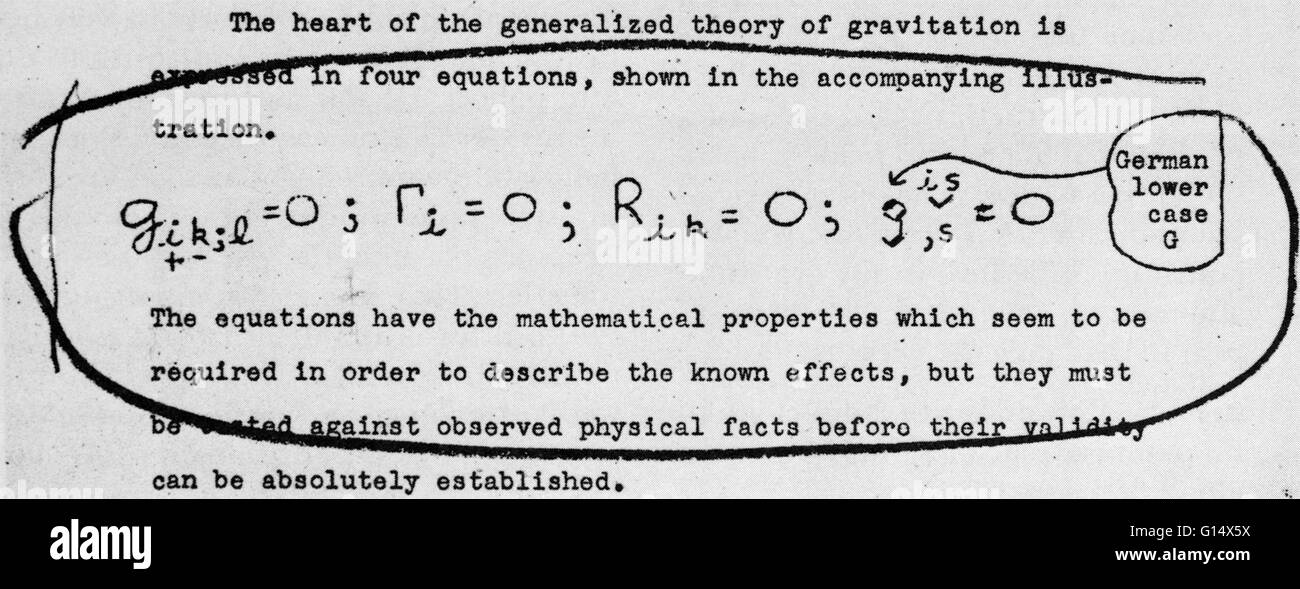
How Albert Einstein Proved Gravity Isn’t a Force

Definition of Gravity in Modern Physics Gravity, traditionally understood as the invisible force that anchors objects to Earth and governs planetary motions, has undergone a profound conceptual transformation. Rather than being a force in the classical sense-a push or pull acting at a distance-gravity is now recognized as a fundamental property of spacetime itself. This […]

Read More →

Why Is Dark Matter the Biggest Mystery in Physics?

Definition of Dark Matter Dark matter is a mysterious and invisible form of matter that constitutes approximately 27% of the universe’s total mass-energy content. Unlike ordinary matter, it does not emit, absorb, or reflect electromagnetic radiation, making it undetectable by conventional telescopes and instruments. Despite its invisibility, dark matter exerts a significant gravitational influence, shaping […]

Read More →