How Fast Does Gravity Travel Across the Universe?

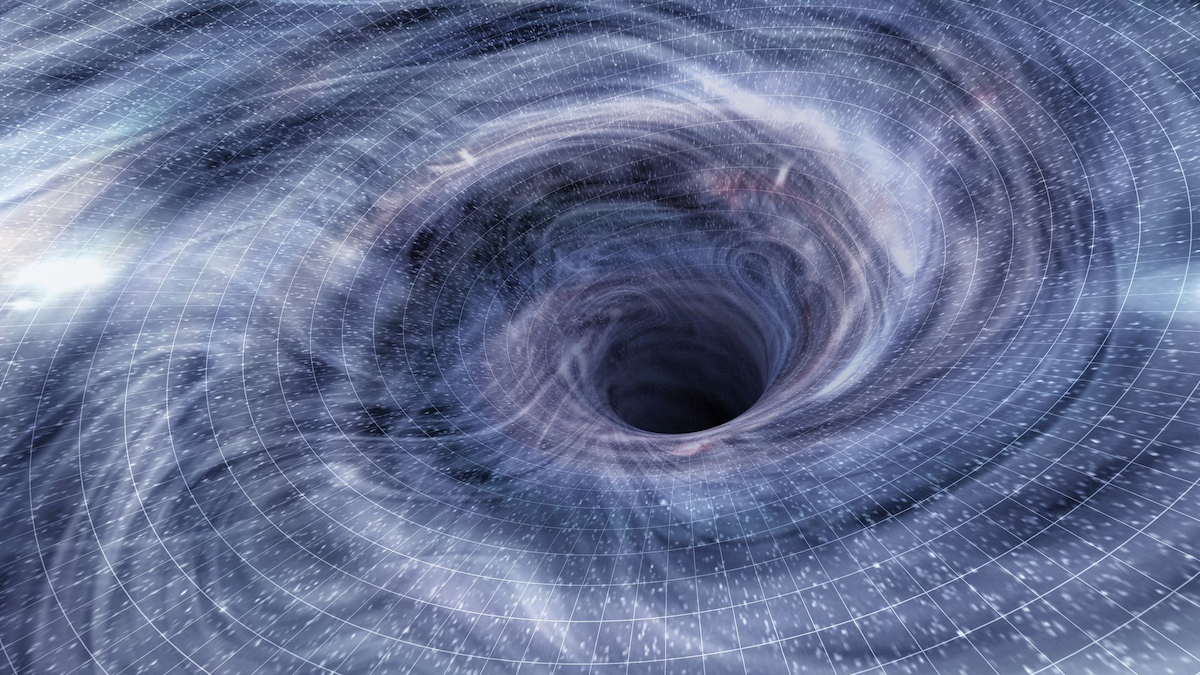
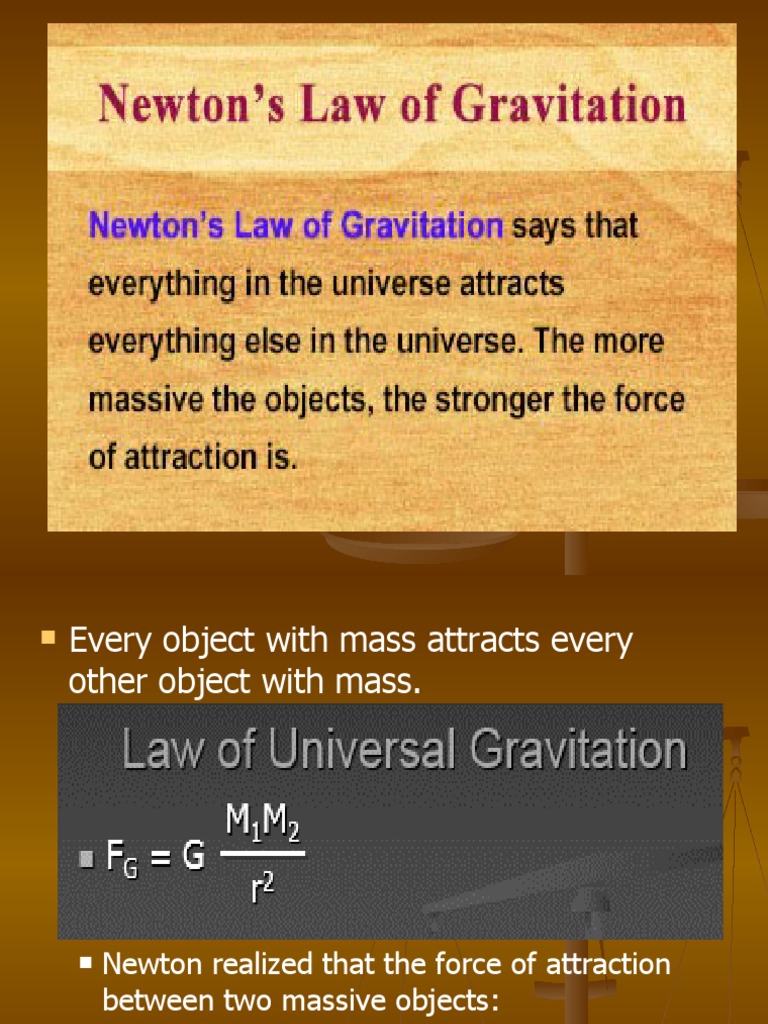
Definition of Gravity and Its Propagation Speed Gravity is a fundamental interaction that governs the attraction between masses, orchestrating the motion of celestial bodies such as galaxies, stars, and planets. Rather than being an instantaneous force, gravity propagates through the fabric of spacetime at a finite velocity. This speed is crucial in understanding how gravitational […]

Read More →

What Determines a Planet’s Gravitational Pull?

Definition of Planetary Gravitational Pull Planetary gravitational pull refers to the force of attraction that a planet exerts on objects near its surface or within its gravitational influence. This force is responsible for holding moons in orbit, guiding spacecraft trajectories, and maintaining planetary atmospheres. It is an invisible yet fundamental force that shapes the dynamics […]

Read More →

Could There Be Life Made of Dark Matter?

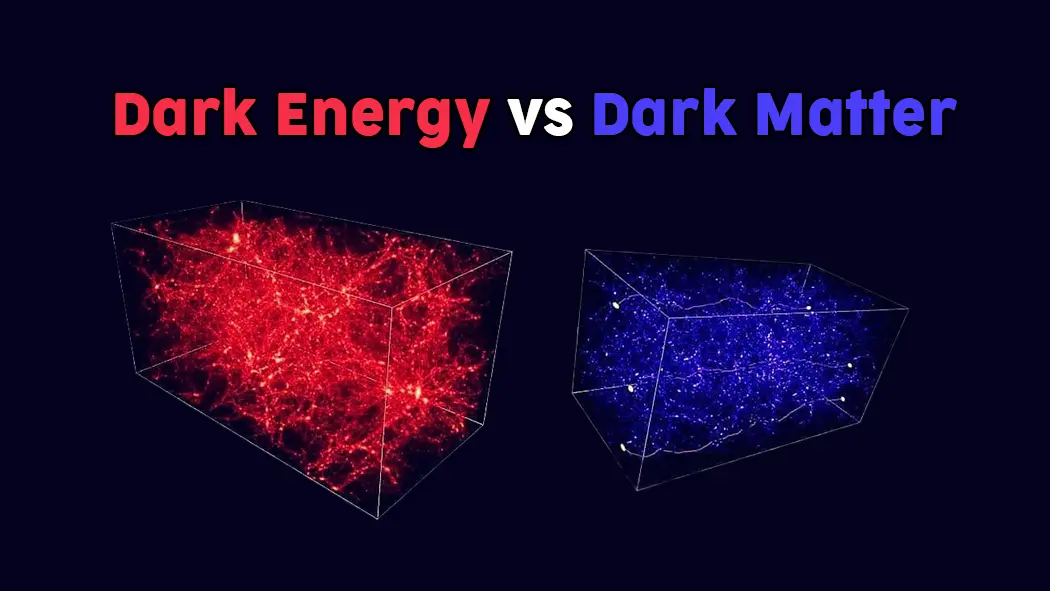
Understanding Dark Matter Dark matter constitutes roughly 27% of the universe’s total mass-energy content, yet it remains one of the most mysterious substances known to science. Unlike ordinary matter, dark matter neither emits nor absorbs electromagnetic radiation, rendering it invisible to conventional telescopes and detectors. Despite this invisibility, its presence is inferred through gravitational effects […]

Read More →

How NASA Maps the Entire Universe

Understanding Cosmic Cartography Mapping the universe is an extraordinary challenge that pushes the boundaries of technology, scientific knowledge, and the very idea of charting space. Unlike terrestrial maps, the cosmos is an infinite, ever-expanding expanse filled with countless stars, galaxies, and unseen phenomena. Creating a detailed cosmic atlas involves not only capturing visible celestial bodies […]

Read More →

What If Dark Matter Doesn’t Exist at All?

Understanding Dark Matter Dark matter is a hypothesized form of matter that is believed to constitute approximately 85% of the total matter in the universe. It is invisible to electromagnetic radiation, meaning it neither emits nor absorbs light, making it undetectable through direct observation. Scientists infer its presence primarily through its gravitational influence on visible […]

Read More →

Does Dark Matter Have Mass or Is That a Myth?

Definition of Dark Matter and Its Mass Dark matter is a mysterious and invisible component of the universe that neither emits nor absorbs electromagnetic radiation, making it undetectable by conventional telescopes. Despite its invisibility, it exerts a significant gravitational influence on visible matter, shaping the formation and dynamics of galaxies, stars, and planetary systems. A […]

Read More →