
Short Answer
Understanding Molecular Memory
Molecular memory refers to the intriguing concept that molecules might possess the ability to retain and respond to information over time, akin to a form of memory. Traditionally, memory is linked to biological systems, where neural networks store and retrieve data through biochemical processes. However, expanding this definition to include non-biological entities invites a fresh perspective on how matter itself might encode and preserve information.
Buckyballs: A Molecular Marvel
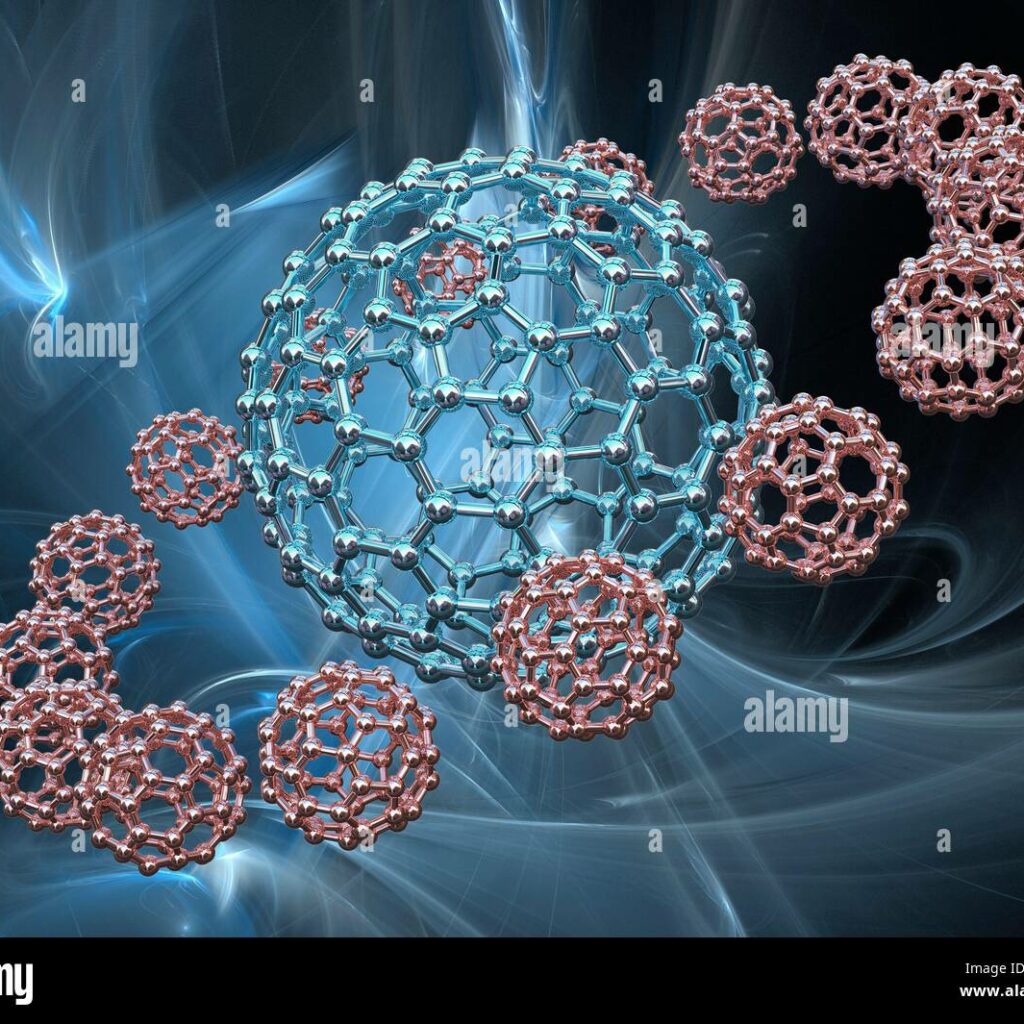
Buckyballs, scientifically known as buckminsterfullerenes, are spherical molecules composed of 60 carbon atoms arranged in a pattern resembling a soccer ball. Their symmetrical structure grants them exceptional stability and unique chemical properties, making them a focal point in nanotechnology and molecular science. These characteristics raise compelling questions about whether buckyballs can exhibit memory-like behaviors through their interactions and transformations.
Mechanisms Behind Molecular Memory
The idea of molecular memory can be linked to changes in physical states and phase transitions within molecules. For example, certain polymers demonstrate hysteresis, where their current state depends on their history of exposure to stimuli. Similarly, when buckyballs undergo chemical reactions or structural modifications triggered by external factors, these changes might influence their future responses, suggesting a form of molecular “memory” encoded in their altered configurations.
Role of Quantum Phenomena
Quantum mechanics introduces additional complexity to the concept of molecular memory. Quantum entanglement, where particles become interconnected such that the state of one instantly affects another regardless of distance, may offer insights into how molecules like buckyballs could encode and transmit information. Under specific conditions, buckyballs might exhibit entangled states, potentially allowing them to “remember” past interactions through these quantum correlations.
Dynamic Molecular Networks and Memory
Beyond individual molecules, assemblies of buckyballs within matrices or composite materials can undergo reversible transitions that resemble memory functions. These dynamic molecular networks can display properties such as molecular recognition and self-assembly, where the system’s history influences its current state. Measuring and quantifying such memory effects typically involves advanced spectroscopic techniques and computational modeling, though this remains a challenging frontier in molecular science.
Mathematical and Experimental Approaches
While there is no single formula that defines molecular memory, researchers often analyze changes in molecular states using physical parameters and models. For instance, hysteresis loops in polymers can be described mathematically to represent memory effects, and quantum state functions can model entanglement phenomena. Spectroscopic data and computational simulations provide quantitative insights into how molecular configurations evolve and retain information.
Applications and Technological Implications
The exploration of molecular memory, especially in buckyballs, holds promise for advancements in various fields:
- Material Science:
Designing smart materials that adapt based on past stimuli. - Quantum Computing:
Utilizing entangled molecular states for information storage and processing. - Nanotechnology:
Developing nanoscale devices capable of memory-like functions.
Integrating Artificial Intelligence in Molecular Research
The incorporation of artificial intelligence (AI) and machine learning (ML) techniques into molecular studies enhances the ability to analyze complex datasets generated from buckyball interactions. By identifying patterns and correlations, AI can help model molecular behaviors that resemble memory processes, offering a powerful tool to decode the information-processing potential of molecular systems.
Ethical Considerations in Molecular Memory Research
As the field advances, ethical questions arise regarding the manipulation of molecular systems with memory-like capabilities. Potential applications span pharmaceuticals, materials engineering, and beyond, raising concerns about unintended environmental impacts and human health risks. Establishing ethical guidelines is crucial to ensure responsible development and deployment of these emerging technologies.
Common Misconceptions About Molecular Memory
Memory is exclusive to biological organisms.
Memory can be broadly defined as the retention of information, which may extend to molecular systems through physical and chemical changes.
Molecules literally “think” or possess consciousness.
Molecular memory refers to changes in molecular states that influence future behavior, not conscious thought.
Significance of Molecular Memory
Understanding molecular memory challenges traditional boundaries between living and non-living systems, offering new insights into the fundamental nature of matter. This knowledge has profound implications for science and technology, potentially revolutionizing material design, information storage, and quantum technologies. As research progresses, unraveling the memory-like properties of molecules like buckyballs could unlock novel applications and deepen our comprehension of the molecular world.
FAQ
What is molecular memory?
Molecular memory is the concept that molecules can retain information through changes in their physical or chemical states, influencing their future behavior.
Can buckyballs really 'remember'?
While buckyballs do not have consciousness, their structural and quantum state changes can encode information, suggesting a form of molecular memory.
How does quantum mechanics relate to molecular memory?
Quantum phenomena such as entanglement may allow molecules like buckyballs to encode and transmit information beyond classical physical changes.
What are some potential applications of molecular memory?
Applications include smart materials, quantum computing, and nanoscale devices with memory-like functions.
Are there ethical concerns with molecular memory research?
Yes, concerns include environmental impacts and human health risks, necessitating ethical guidelines for responsible development.





Leave a Reply