What’s the best books to understand the science of atoms?

Definition of Atomic Science Atomic science is the study of atoms, the smallest units of matter that retain the properties of an element. These fundamental particles form the foundation of all physical substances and are central to understanding the nature and behavior of matter. The field encompasses various disciplines including chemistry, physics, and biology, each […]

Read More →

The Real Cost of Replacing Trident: What Science Says

Understanding Nuclear Deterrence and the Trident System Nuclear deterrence refers to the strategic concept of preventing aggression by maintaining a credible threat of nuclear retaliation. The United Kingdom’s Trident system exemplifies this approach, consisting of a fleet of submarines armed with intercontinental ballistic missiles (ICBMs) designed to provide a robust defense against existential threats. Replacing […]

Read More →

What flux of neutrinos would kill me?

Definition of Neutrinos and Their Flux Neutrinos are subatomic particles characterized by their extremely small mass and their ability to traverse vast distances through matter with minimal interaction. These elusive particles are produced in a variety of astrophysical processes and are known for their remarkable capacity to pass through entire planets without being absorbed or […]

Read More →

What is a carbon tax? Does Canada have one?

Definition of Carbon Tax A carbon tax is a fiscal policy tool used in environmental economics to reduce greenhouse gas emissions by assigning a cost to the carbon content of fossil fuels. This tax compels polluters to account for the environmental damage their emissions cause, effectively internalizing the external costs associated with carbon dioxide release. […]

Read More →

I have heard of protons

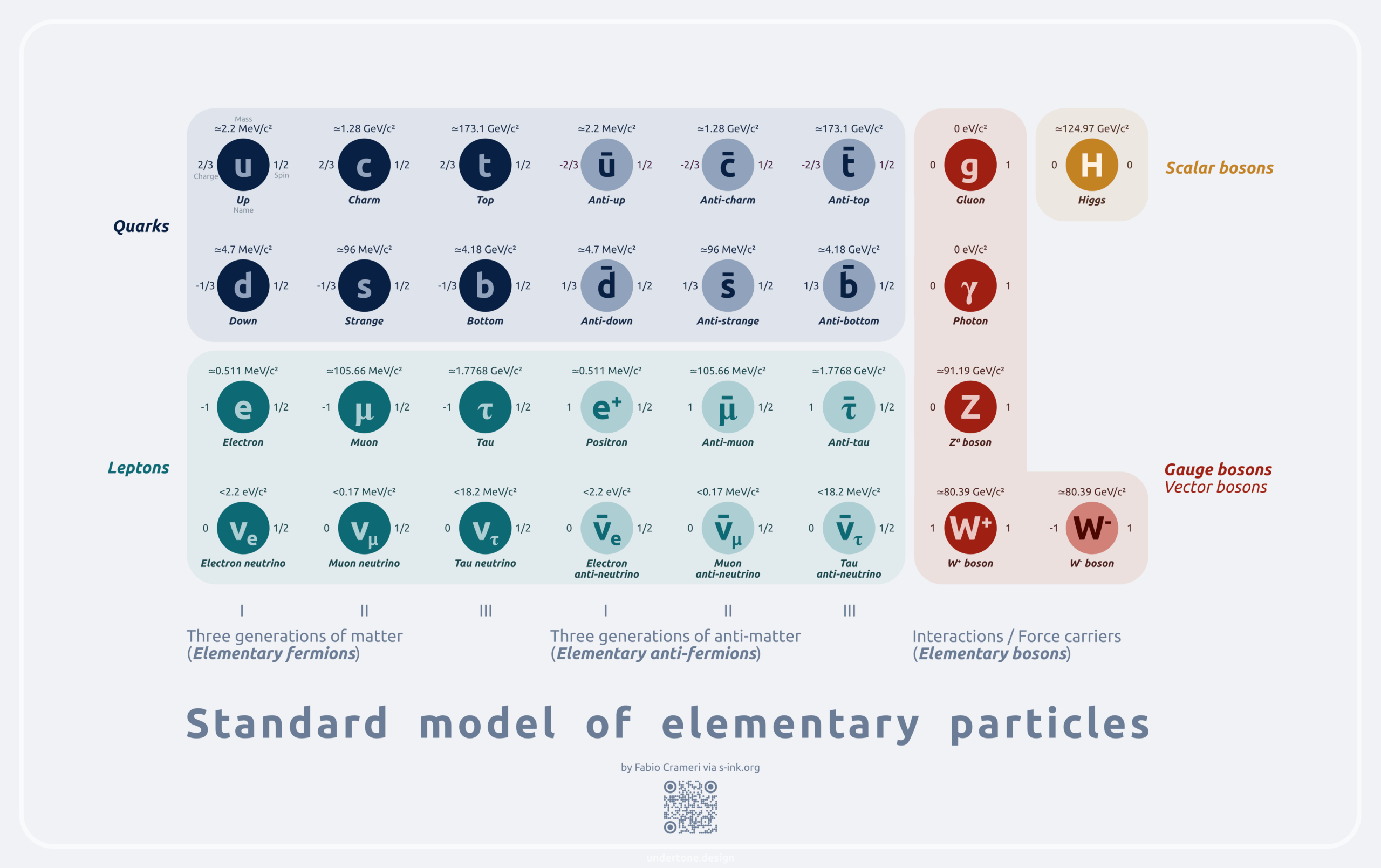
Definition of Protons Protons are subatomic particles that reside within the nucleus of an atom, playing a crucial role in defining the nature of matter. They are baryons, meaning they are composite particles made up of smaller constituents called quarks. Each proton carries a positive electric charge of +1 elementary charge, which is fundamental to […]

Read More →

What are cheap ways to create graphene?

Understanding Graphene Graphene is a unique allotrope of carbon that has captivated scientists across materials science, chemistry, and physics due to its exceptional characteristics. It exhibits outstanding electrical conductivity, superior mechanical strength, and excellent thermal properties. These remarkable features have driven extensive research aimed at developing cost-effective methods for producing graphene, enabling its widespread use […]

Read More →

What causes stiffness in materials (in a molecular scale)?

Definition of Stiffness in Materials Stiffness refers to a material’s inherent resistance to deformation when subjected to an external force. It is a fundamental mechanical property that describes how much a material resists bending, stretching, or compressing. This characteristic is observable in everyday objects and is deeply rooted in the molecular and atomic interactions within […]

Read More →

What is the fourth state of matter?

Definition of Plasma Plasma is recognized as the fourth fundamental state of matter, distinct from solids, liquids, and gases. It is essentially an ionized gas composed of free electrons and positively charged ions, where a significant fraction of the electrons have been stripped from their atoms. This ionization imparts unique electrical properties to plasma, making […]

Read More →