How Cold Is Space? The Real Temperature of the Universe

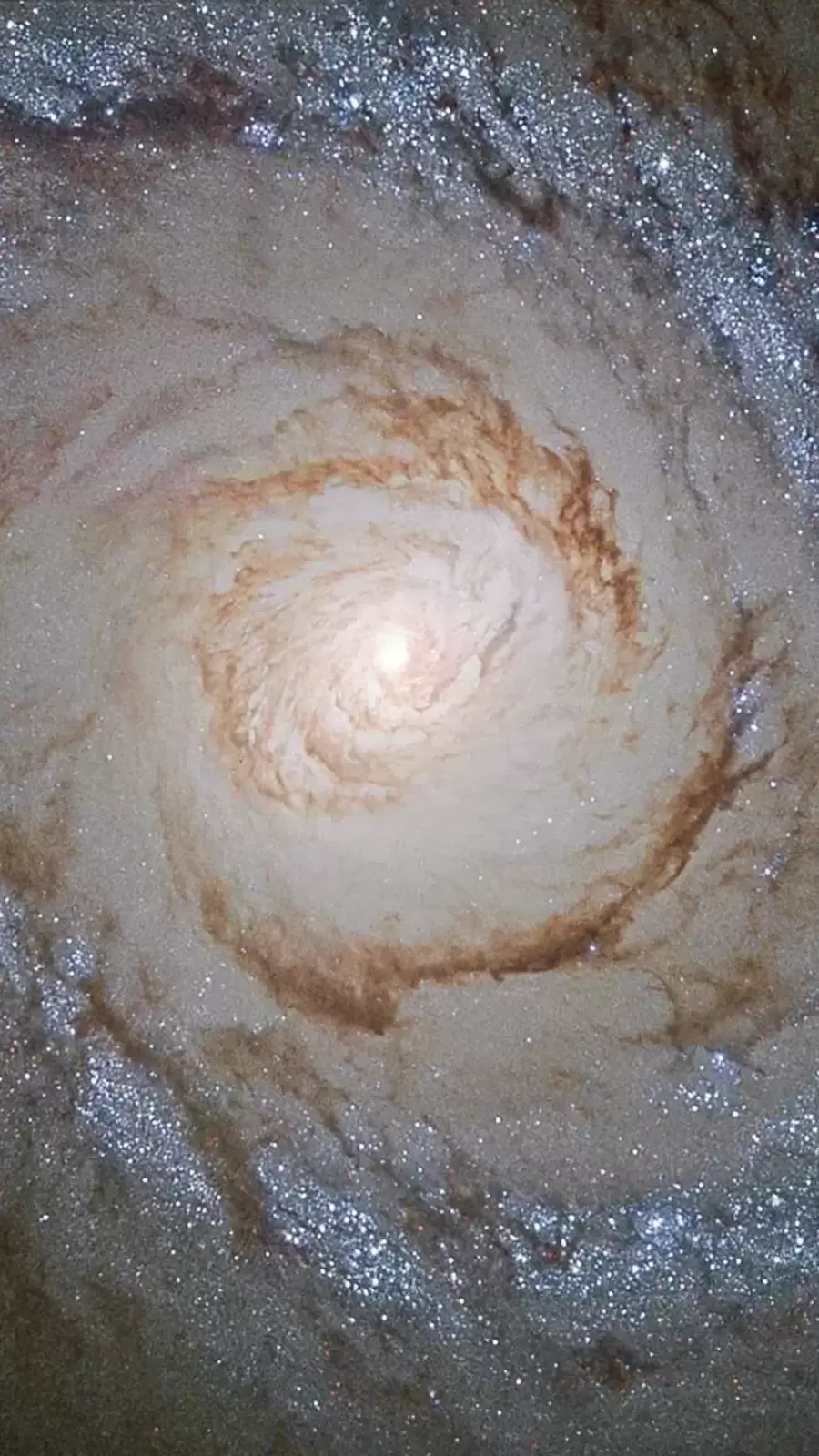
Definition of Space Temperature Space is commonly perceived as an expanse of extreme cold, far beyond any temperature experienced on Earth. This perception, while broadly accurate, conceals a complex reality shaped by the unique physical conditions of the cosmos. Rather than a uniform chill, space exhibits a range of thermal states influenced by radiation, matter […]

Read More →

How Space Time and Gravity Were Born Together

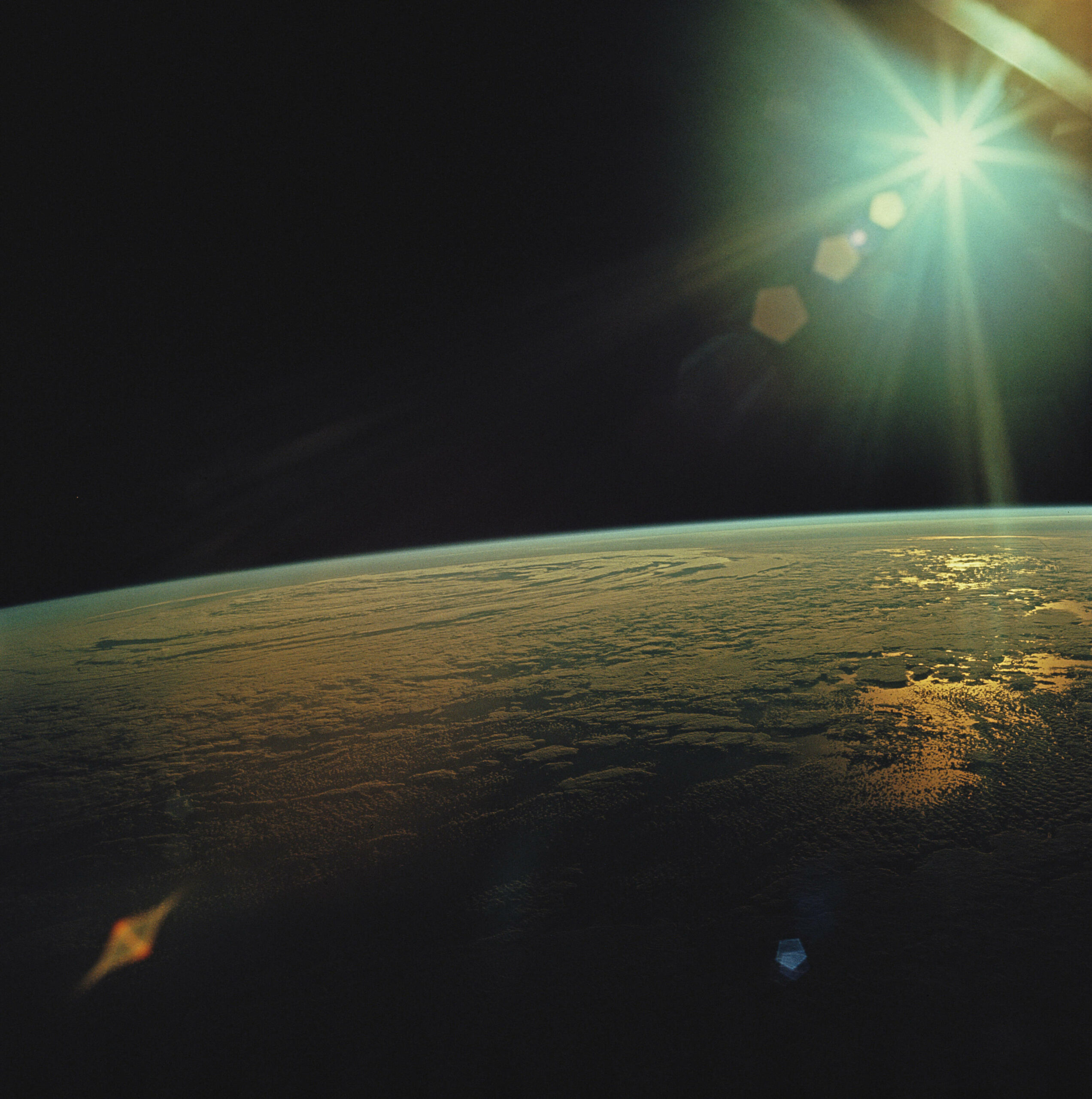
Definition of Space, Time, and Gravity Space, time, and gravity are fundamental concepts that form the foundation of our understanding of the universe. Together, they create a unified framework that governs the behavior of everything from the smallest particles to the largest cosmic structures. Space: The three-dimensional expanse in which all objects and events occur, […]

Read More →

How Space-Time Curvature Creates Gravity

Definition of Gravity and Space-Time Curvature Gravity is a fundamental interaction that governs the attraction between masses, influencing everything from falling objects on Earth to the motion of celestial bodies. Modern physics reinterprets gravity not as a conventional force but as a manifestation of the curvature of space-time-a four-dimensional continuum combining three spatial dimensions with […]

Read More →

What Kind of Images Does the James Webb Space Telescope Actually Capture?

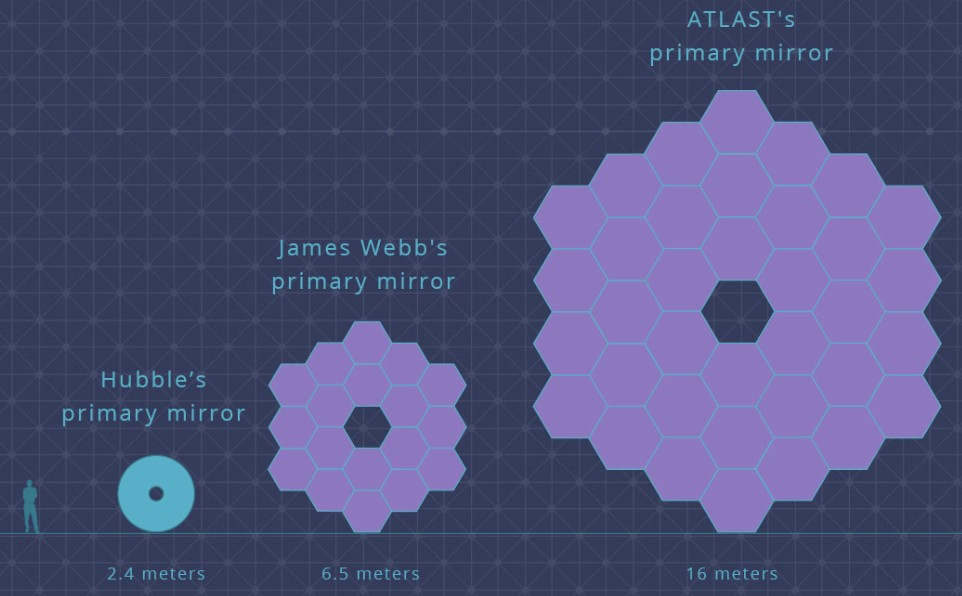
Definition of James Webb Space Telescope Imagery The James Webb Space Telescope (JWST) produces images that serve as profound windows into the universe, capturing light that has journeyed across vast stretches of time and space. Unlike traditional telescopes that primarily observe visible light, JWST specializes in infrared imaging, revealing cosmic phenomena hidden from ordinary sight. […]

Read More →

Do Black Holes Create or Destroy Dark Energy?

Understanding Black Holes and Dark Energy Black holes have traditionally been viewed as mysterious cosmic entities that consume everything in their vicinity, including light, making escape impossible beyond their event horizons. Meanwhile, dark energy is recognized as a pervasive force driving the accelerated expansion of the universe. The intriguing question arises: do black holes generate […]

Read More →

Is There a Particle Faster Than Light? Scientists Respond

Definition of Faster-Than-Light Particles Faster-than-light (FTL) particles refer to hypothetical or experimentally suggested entities that travel at speeds exceeding the speed of light in a vacuum, approximately 299,792 kilometers per second. According to Einstein’s special relativity, this speed represents an absolute cosmic speed limit, beyond which no matter or information can travel. The concept of […]

Read More →

Could Black Holes Be Invisible Stars?

Definition of Black Holes as Invisible Stars Black holes are often perceived as mysterious voids in space-celestial objects that absorb all light and matter, rendering them invisible to direct observation. Conceptualizing black holes as “invisible stars” offers a fresh perspective, portraying them not merely as empty spaces but as powerful cosmic entities with significant roles […]

Read More →