How do you become a radiologist after a physics degree?

Becoming a radiologist after completing a degree in physics is an intellectually stimulating journey that melds the principles of physical science with the intricate field of medicine. This pathway is decidedly less common than traditional routes into medicine, yet offers a unique vantage point, combining a solid foundation in quantitative analysis and scientific reasoning with […]

Read More β†’

What’s an MRI and what are its side effects?

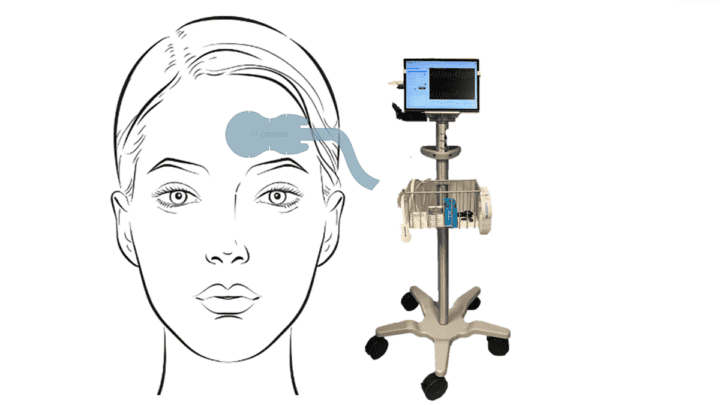
Magnetic Resonance Imaging (MRI) is an advanced medical imaging technique that utilizes powerful magnets and radio waves to generate detailed images of internal body structures. Unlike other imaging methods, such as X-rays or computed tomography (CT) scans, MRI does not employ ionizing radiation, making it a pivotal tool in diagnostic imaging for various medical conditions. […]

Read More β†’

Is it possible to construct a computer without logic gates?

In the realm of computer architecture and design, logic gates serve as the fundamental building blocks for virtually all digital systems. They are the microscopic switches that process binary inputs, yielding corresponding binary outputs, thus facilitating complex computational operations. Yet, one might pose the intriguing question: is it conceivable to construct a computer devoid of […]

Read More β†’

Is it necessary to study electromagnetic waves before optics?

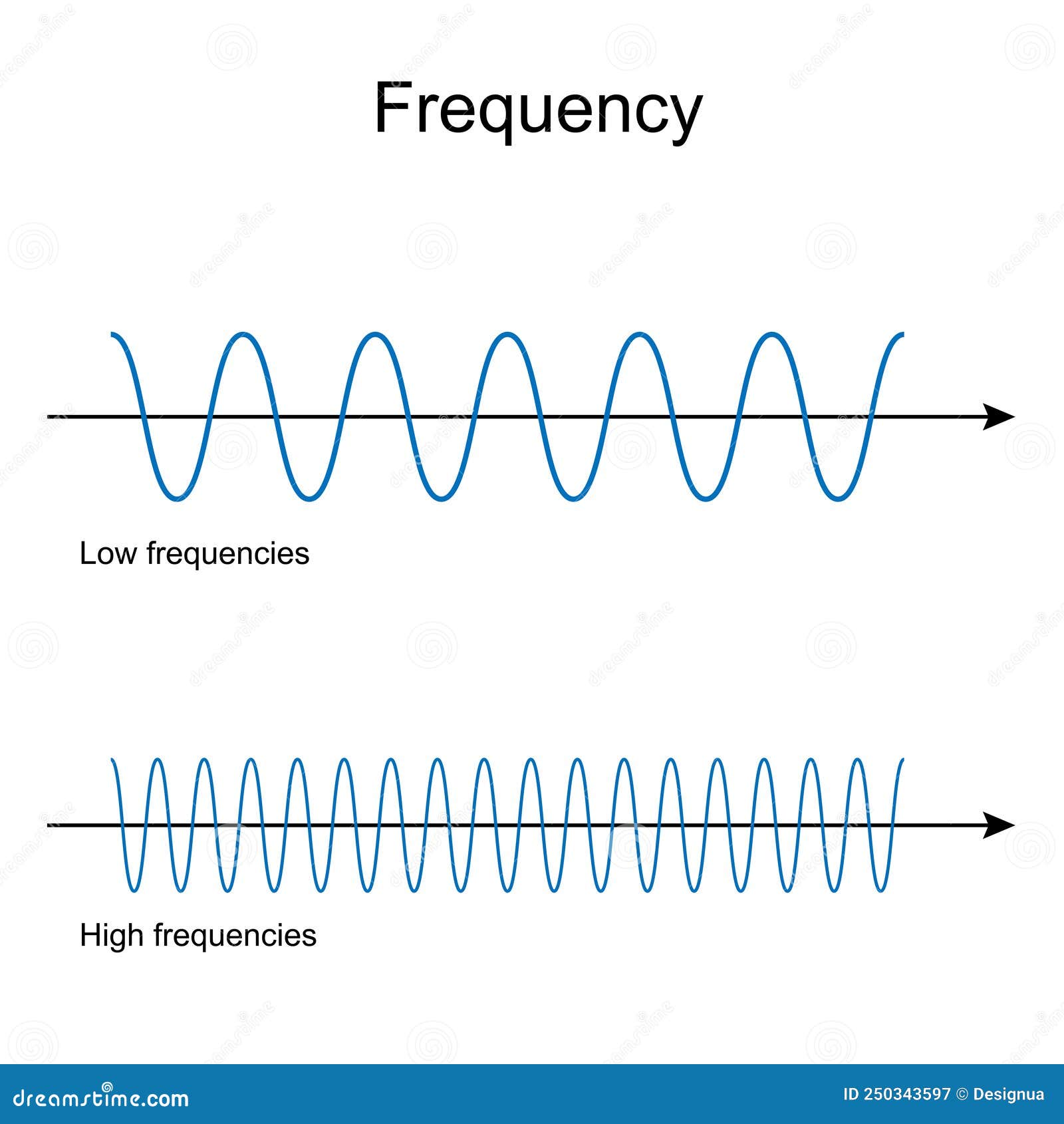
In the vast realm of physics, the intricate dance between electromagnetic waves and optics serves as a cornerstone of our understanding of light and its myriad phenomena. The question of whether it is essential to study electromagnetic waves prior to delving into optics evokes intrigue. A thorough analysis reveals that a foundational understanding of electromagnetic […]

Read More β†’

As a computer scientist how much math do you actually use?

In exploring the intersection of mathematics and computer science, one might liken the relationship to an intricate tapestry, where each thread contributes to an overall design that is both functional and beautiful. The question, β€œHow much mathematics does a computer scientist actually use?” evokes diverse perceptions rooted in the multifaceted nature of both disciplines. This […]

Read More β†’

Where can I get a job after an M.Sc. in applied physics?

The realm of applied physics offers a fertile landscape for postgraduates seeking to cultivate their careers. An M.Sc. in applied physics is akin to wielding a multifaceted tool that can unlock numerous doors to diverse fields. Below, we will explore the extensive career pathways available, illuminating how the unique skills obtained through this specialized education […]

Read More β†’

How does the Large Hadron Collider work?

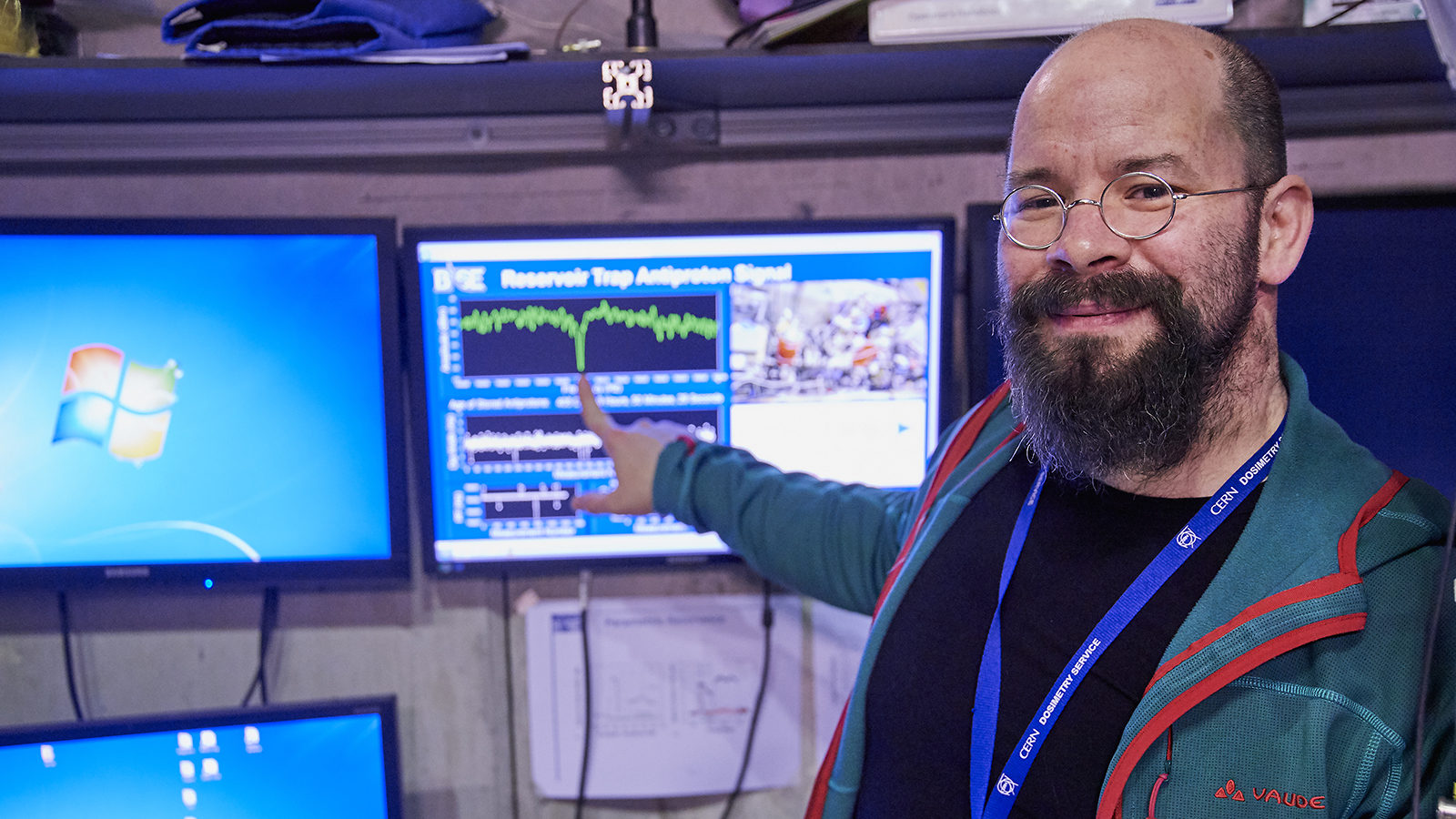
The Large Hadron Collider (LHC), the world’s largest and most powerful particle accelerator, is a monumental feat of engineering and physics. Spanning a circumference of approximately 27 kilometers and situated underground near Geneva, Switzerland, it is a collaboration among thousands of scientists and engineers from around the globe. The LHC’s primary mission is to explore […]

Read More β†’

Which countries do not have a carbon tax currently in place?

The phenomenon of climate change has prompted diverse responses from nations worldwide, with many implementing measures to reduce greenhouse gas emissions. One prevalent strategy is the carbon tax, a fiscal policy designed to incentivize businesses and individuals to lower their carbon footprints. However, not all countries have adopted this mechanism. An intriguing inquiry arises: which […]

Read More β†’