
Short Answer
Understanding Aircraft-Induced Precipitation
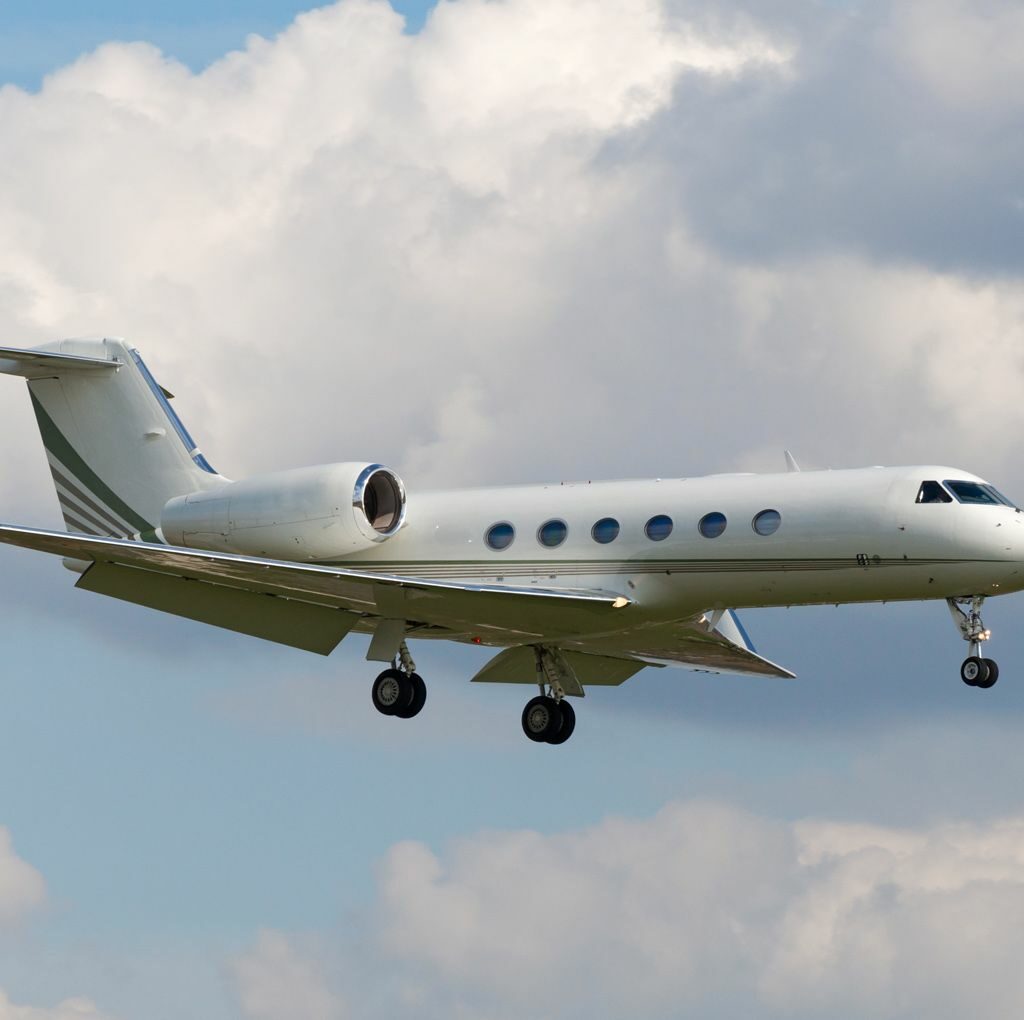
Air travel is widely celebrated as a technological achievement that bridges distant locations, yet its subtle influence on atmospheric processes remains less recognized. One fascinating aspect of this interaction is the ability of aircraft to trigger precipitation by disrupting cloud formations, effectively creating openings or “holes” in clouds and modifying local weather conditions. This phenomenon highlights a complex relationship between aviation and meteorology, prompting a deeper examination of how flying machines can affect atmospheric dynamics.
Definition and Mechanism of Cloud Disruption by Aircraft
Aircraft-induced precipitation occurs when the passage of an airplane through a cloud alters the microphysical properties of the cloud, leading to enhanced rainfall. Clouds consist of countless tiny water droplets or ice crystals suspended in the air. Under specific conditions, these droplets can merge and grow, eventually falling as rain or snow. When an aircraft moves through a cloud, it disturbs the surrounding air, initiating processes that encourage droplet growth and precipitation.
- Wake Turbulence:
The vortices generated at the wingtips of an aircraft create turbulent airflows that mix different layers of the atmosphere. This mixing can increase condensation by bringing together water vapor and cooler air, facilitating droplet formation. - Pressure Variations:
The aircraft’s movement causes localized changes in atmospheric pressure, which can jostle cloud droplets, increasing their likelihood of coalescing into larger drops that eventually fall as precipitation.
Microphysical Processes Behind Aircraft-Triggered Rainfall
The interaction between aircraft and clouds hinges on the delicate balance of cloud microphysics. The turbulence and pressure changes caused by an airplane’s wings disrupt the equilibrium of water droplets within the cloud. This disturbance promotes the merging of smaller droplets into larger ones, a process known as coalescence. Once these droplets reach a critical mass, gravity pulls them downward, resulting in rainfall. This mechanism reveals how aviation can inadvertently influence weather patterns by modifying cloud behavior.
Impact of Different Aircraft Types on Weather Patterns
The extent to which aircraft affect precipitation varies depending on the type and altitude of the aircraft. Commercial jets, which typically fly at higher altitudes where atmospheric conditions favor wake turbulence, have a more pronounced effect on cloud microphysics. In contrast, smaller, lighter aircraft operating at lower altitudes generally exert minimal influence on large-scale weather systems. This variation underscores the importance of considering aircraft characteristics when evaluating their meteorological impact.
Broader Atmospheric and Climatic Implications
Beyond localized weather changes, the cumulative effect of numerous flights can influence regional climate patterns, especially in heavily trafficked air corridors. The repeated passage of aircraft can alter cloud properties and precipitation rates over time, potentially affecting broader meteorological systems. This phenomenon raises important questions about how coordinated air traffic management might mitigate unintended weather consequences associated with aviation.
Aircraft and Climate Change: A Complex Relationship
The aviation sector is a significant contributor to anthropogenic climate change, primarily through emissions of greenhouse gases and particulate matter that alter atmospheric chemistry. The ability of aircraft to induce precipitation adds another layer of complexity. While aircraft-triggered rainfall can provide beneficial moisture to drought-affected areas, it may also increase the risk of localized flooding by intensifying precipitation in vulnerable regions. This duality highlights the nuanced environmental footprint of aviation.
Potential for Weather Modification Using Aircraft
Emerging research explores the deliberate use of aircraft to influence weather patterns, such as through cloud seeding. This technique involves dispersing substances that encourage rain formation over drought-stricken areas, potentially alleviating water scarcity. Although controversial, this approach represents a shift toward leveraging aviation technology not only for transportation but also as a tool for proactive climate intervention and resource management.
Integration of Aircraft Effects in Climate Modeling
Current global climate models often overlook the meteorological impacts of aviation-induced phenomena, leading to gaps in predictive accuracy. Incorporating the effects of aircraft on cloud formation and precipitation could enhance the robustness of climate simulations. Improved models would better inform policymakers and stakeholders, aiding in the development of strategies to address climate variability and mitigate adverse environmental outcomes.
Common Misconceptions About Aircraft and Weather
Aircraft have no significant impact on weather patterns.
Scientific evidence shows that aircraft can alter cloud microphysics and induce precipitation, affecting local and regional weather.
All types of aircraft equally influence atmospheric conditions.
The impact varies widely depending on aircraft size, altitude, and flight frequency, with commercial jets having a more substantial effect than smaller planes.
Significance of Aircraft-Induced Weather Phenomena
Understanding how aircraft interact with atmospheric processes is crucial for multiple reasons. It informs environmental assessments of aviation’s ecological footprint, guides the development of weather modification technologies, and enhances climate modeling accuracy. Recognizing this interplay also encourages the aviation industry and regulators to consider meteorological impacts in operational planning, ultimately contributing to more sustainable air travel and improved management of water resources.
Conclusion: The Interconnectedness of Aviation and Meteorology
The phenomenon of aircraft puncturing clouds and triggering rainfall exemplifies the intricate and reciprocal relationship between human technological activity and natural atmospheric systems. This dynamic challenges traditional views of aviation as merely a mode of transport, revealing its potential to influence environmental conditions in profound ways. As research advances, a deeper understanding of these interactions will be essential for balancing the benefits and risks associated with aviation’s role in shaping weather and climate.
FAQ
How do aircraft induce precipitation?
Aircraft disturb cloud microphysics by creating wingtip vortices and wake turbulence, which enhances condensation and droplet coalescence, leading to precipitation.
Can aircraft-induced weather changes affect climate?
Yes, cumulative effects of many flights can influence regional climate patterns and should be considered in climate models.
Are all aircraft equally effective at influencing weather?
No, larger commercial jets flying at higher altitudes tend to have more significant effects compared to smaller aircraft.
What are the environmental implications of aircraft-induced precipitation?
This phenomenon can both help alleviate drought by increasing rainfall and potentially worsen flooding, alongside contributing to greenhouse gas emissions.
Is intentional weather modification by aircraft feasible?
Some researchers suggest using aircraft to disperse cloud-seeding substances, though the practice remains scientifically debated and controversial.



Leave a Reply