
Short Answer
Overview of the James Webb Space Telescope
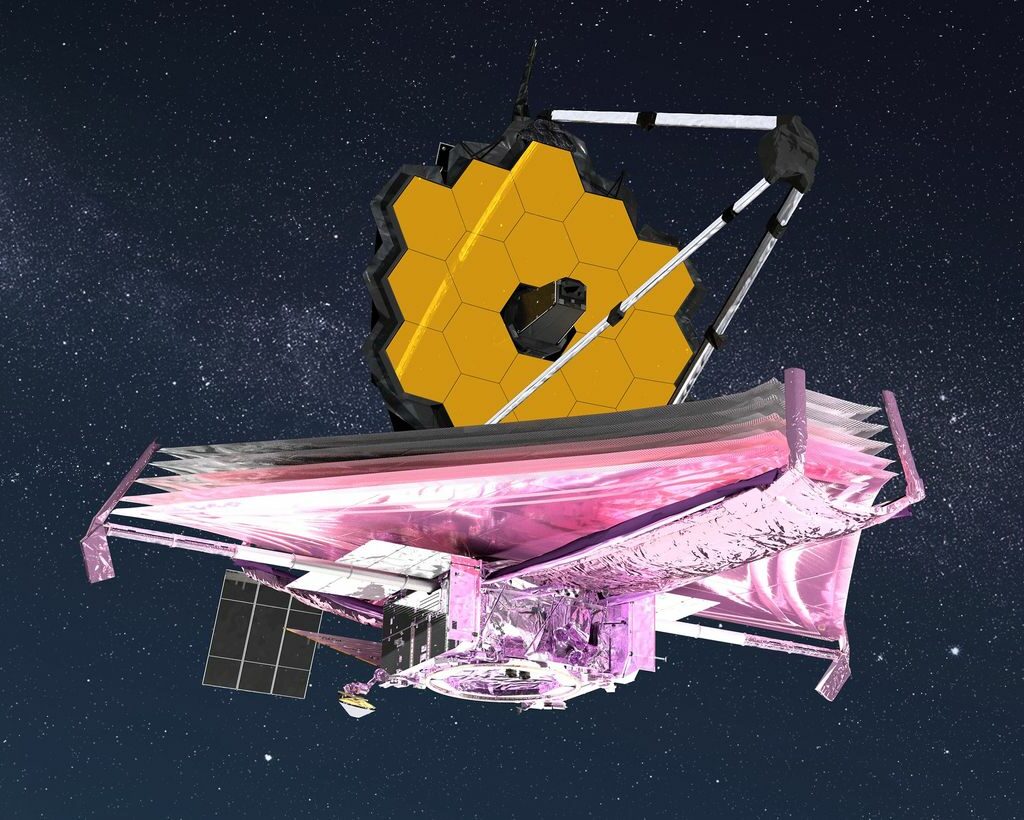
The James Webb Space Telescope (JWST) stands as a groundbreaking instrument in modern astronomy, heralding a transformative era of cosmic exploration. Often described as a golden-hued time machine, this sophisticated observatory surpasses previous space telescopes by delving deeper into the universe’s ancient epochs. As it delivers a continuous stream of data and breathtaking images, the question arises: does JWST fulfill the high expectations set for it?
Purpose and Ambitions Behind JWST
The JWST was conceived with ambitions far beyond merely succeeding the Hubble Space Telescope. Its primary mission is to explore the cosmos through the infrared spectrum, enabling astronomers to peer through cosmic dust clouds and observe light emitted billions of years ago. This shift from visible light to infrared observation is comparable to replacing a faint candle with a powerful lighthouse, illuminating galaxies and phenomena previously concealed in darkness.
Technological Innovations and Design
JWST’s uniqueness lies in its combination of advanced technology and its role as a cosmic archaeologist. Its primary mirror, measuring an impressive 6.5 meters in diameter and coated with ultra-thin layers of gold, captures faint photons that have traveled across the universe since its infancy. These photons carry invaluable information about the formation of the first stars and galaxies, offering insights into the origins of matter and energy.
- Primary Mirror:
A 6.5-meter segmented mirror coated with gold to optimize infrared light reflection. - Sunshield:
A tennis-court-sized shield that protects sensitive instruments from solar radiation, ensuring precise measurements. - Deployment:
Complex unfolding and calibration processes executed over a million miles from Earth, showcasing remarkable engineering prowess.
Scientific Contributions and Discoveries
Since its launch, JWST has proven itself as more than a mere successor to Hubble; it represents a paradigm shift in astronomical research. Its early images reveal intricate details of star-forming regions and the atmospheric compositions of distant exoplanets, providing unprecedented clarity and depth. The telescope’s sensitivity exposes stellar nurseries with a luminous glow, offering a vivid glimpse into the birthplaces of stars and planetary systems.
Exploration of Early Galaxies
JWST’s ability to observe galaxies formed over 13 billion years ago has both confirmed and challenged existing theories of cosmic evolution. Some observed galaxies appear more developed and structured than previously anticipated, prompting scientists to reconsider timelines and mechanisms of galaxy formation. This dynamic interplay between expectation and discovery exemplifies the essence of scientific progress.
Advancements in Exoplanet Research
One of JWST’s most captivating roles is its detailed analysis of exoplanet atmospheres. By examining the chemical signatures and weather patterns of these distant worlds, the telescope provides critical clues about their potential habitability. This detailed atmospheric forensics transforms abstract data into compelling narratives about alien planets, fueling the enduring quest to determine whether life exists beyond Earth.
Operational Challenges and Limitations
Despite its remarkable capabilities, JWST faces inherent challenges. Infrared observations must contend with zodiacal light-sunlight scattered by interplanetary dust within our solar system-that can obscure faint cosmic signals. Additionally, the vast quantities of data generated require advanced computational techniques and algorithms for effective analysis. Nevertheless, these obstacles are minor compared to the revolutionary insights the telescope continues to deliver.
Interdisciplinary Impact and Collaborative Efforts
The JWST’s findings resonate across multiple scientific disciplines, uniting astronomers, physicists, chemists, and biologists in a shared pursuit of knowledge. Its observations contribute to understanding phenomena ranging from dark matter interactions to stellar nucleosynthesis and quantum effects in space. Beyond its scientific achievements, JWST symbolizes the power of international cooperation and human ingenuity in overcoming formidable technical challenges.
Significance and Future Prospects
The James Webb Space Telescope not only meets but often surpasses the lofty expectations placed upon it, redefining the boundaries of what is possible in space observation. Its technical excellence and groundbreaking discoveries enrich humanity’s understanding of the cosmos, shedding light on our origins and the universe’s evolution. Like a beacon in the vast interstellar expanse, JWST illuminates the darkest and most distant regions of space, inviting all to witness the unfolding story of the universe.
FAQ
What is the primary function of the James Webb Space Telescope?
The primary function of the JWST is to observe the universe in infrared light, allowing astronomers to study cosmic phenomena that are obscured by dust and gas.
How does JWST compare to the Hubble Space Telescope?
While Hubble observes primarily in visible light, JWST focuses on infrared observations, enabling deeper insights into the early universe and the formation of galaxies and stars.
What are some challenges faced by the JWST?
JWST faces challenges such as dealing with zodiacal light, which can obscure faint signals, and processing vast amounts of data requiring advanced computational techniques.
What significant discoveries has JWST made?
JWST has revealed intricate details of star-forming regions, analyzed exoplanet atmospheres, and provided new insights into the formation and evolution of early galaxies.

Leave a Reply