
Short Answer
Definition and Scope of Neuroscience and Astrophysics
Choosing a professional path is a significant milestone, often shaped by a blend of passion and practical considerations. Among the diverse scientific disciplines, neuroscience and astrophysics emerge as two fascinating yet fundamentally different fields. Both attract curious individuals eager to explore profound mysteries-whether those mysteries lie within the vast cosmos or the complex networks of the human brain.
- Neuroscience:
This branch of science focuses on the nervous system, studying its structure, function, molecular biology, and cognitive processes. It investigates the biological foundations of behavior, thought, and neurological diseases, providing a biological lens through which to understand human nature. - Astrophysics:
This field extends beyond Earth, examining celestial bodies, cosmic events, and the fundamental principles that govern space and time. It aims to uncover the origins, development, and ultimate destiny of the universe.
Research Approaches and Methodologies
The investigative methods in neuroscience and astrophysics differ greatly due to the nature of their subjects.
Neuroscience Research Techniques
Neuroscientific studies typically occur in laboratories equipped with advanced tools such as electrophysiological devices, microscopes, and brain imaging technologies. Techniques like functional magnetic resonance imaging (fMRI), optogenetics, and patch-clamp recordings enable scientists to observe neural activity and map brain circuits. This research is akin to exploring a microscopic universe, decoding processes related to memory, emotion, and perception. The data analysis requires careful handling of biological variability, balancing strict experimental protocols with flexibility.
Astrophysics Research Methods
Astrophysics encompasses a broad range of activities from theoretical modeling to observational astronomy. Researchers utilize ground-based and space telescopes, including the Hubble Space Telescope, to gather electromagnetic data across various wavelengths-from radio waves to gamma rays. Computational simulations help model phenomena such as black holes, dark matter, and cosmic microwave background radiation. Theoretical work often involves complex mathematics, including tensor calculus, to understand the curvature of spacetime and other abstract concepts.
Work Environments and Collaborative Dynamics
The professional settings and teamwork styles in neuroscience and astrophysics reflect their distinct research demands.
Neuroscience Work Environment
Neuroscientists often collaborate in interdisciplinary teams that include psychologists, pharmacologists, and medical practitioners. Their work environment is dynamic, involving experiments ranging from animal studies to clinical trials. Many neuroscientists engage directly with patients, especially in neuropsychology and neurology, blending research with clinical practice. This combination offers intellectual stimulation and emotional fulfillment but requires meticulous attention to ethical standards and precision.
Astrophysics Work Environment
Astrophysicists typically work at observatories, universities, or research centers, partnering with engineers, computer scientists, and mathematicians. Their work merges theoretical insights with empirical observations, sometimes involving overnight sky surveys or instrument calibration. The field demands patience and dedication to long-term projects, where significant discoveries may take years or decades. Both solitary data analysis and collaborative brainstorming are essential components of their workflow.
Educational Requirements and Essential Skills
Both fields require strong foundational knowledge and specialized skills tailored to their unique challenges.
Neuroscience Education and Skills
Prospective neuroscientists need a robust background in biology, chemistry, and physics, followed by specialization in areas like cognitive neuroscience, neurobiology, or neuropharmacology. Advanced degrees such as a PhD or MD/PhD are often necessary for independent research or clinical roles. Key competencies include statistics, experimental design, and increasingly, computational modeling and programming languages like Python or MATLAB, reflecting the growing importance of neuroinformatics.
Astrophysics Education and Skills
Aspiring astrophysicists must excel in advanced mathematics, classical physics, and quantum mechanics. Undergraduate studies in physics or astronomy lead to graduate programs focusing on cosmology, stellar dynamics, and relativistic physics. Proficiency in programming languages such as C++ or Fortran is critical for running simulations and analyzing large astronomical datasets. Familiarity with instrumentation and data acquisition technologies is also essential for both theoretical and observational astrophysics.
Career Opportunities and Societal Contributions
Both neuroscience and astrophysics offer diverse career paths with significant impacts on science and society.
Neuroscience Career Paths
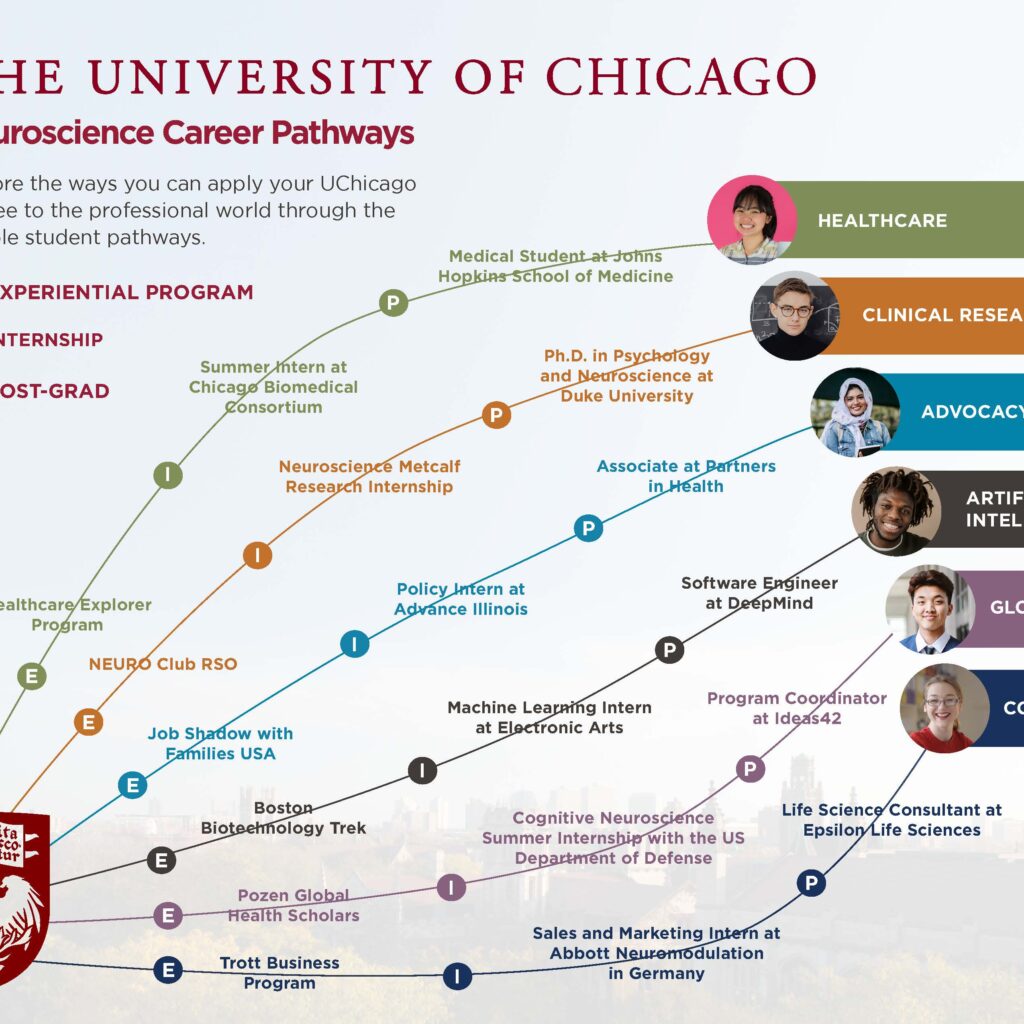
Neuroscience careers span academic research, biotechnology, clinical practice, and pharmaceutical development. Emerging fields like neurotechnology-including brain-computer interfaces and neuromodulation devices-are transforming healthcare and human enhancement. Discoveries in neuroscience often translate quickly into clinical applications, influencing treatments for Alzheimer’s disease, epilepsy, and mental health disorders.
Astrophysics Career Paths
Astrophysics careers are typically centered in academia, research institutions, space agencies, and private aerospace firms. Astrophysicists contribute to satellite technology, instrumentation, and planetary exploration missions, advancing humanity’s understanding of the cosmos. Their work not only drives technological innovation but also reshapes philosophical perspectives on existence and the universe.
Challenges and Rewards in Each Discipline
Both fields present unique difficulties and fulfilling outcomes.
- Neuroscience Challenges:
The complexity and variability of biological systems pose challenges in experimental reproducibility and ethical considerations involving human and animal subjects. Continuous skill development is necessary to keep pace with technological advances. - Neuroscience Rewards:
The field offers the satisfaction of directly impacting human health and deepening our understanding of the biological basis of mind and behavior. - Astrophysics Challenges:
The abstract nature of advanced mathematics and the slow pace of empirical validation require patience and resilience, as some hypotheses may take decades to confirm. - Astrophysics Rewards:
Contributing to humanity’s cosmic knowledge and unraveling universal mysteries provides a profound intellectual fulfillment.
Choosing the Right Path: Personal Considerations
Deciding between neuroscience and astrophysics depends largely on individual interests and working preferences.
- Interest Focus:
Are you more fascinated by the workings of consciousness, neural plasticity, and neurological diseases, or do you find yourself drawn to cosmic phenomena, star life cycles, and black hole physics? - Work Style:
Neuroscience often involves hands-on biological experimentation and clinical interaction, appealing to those who seek tangible societal impact. Astrophysics suits those who enjoy theoretical elegance, computational challenges, and the grandeur of cosmic exploration, often working independently or in small teams. - Exploration Opportunities:
Engaging in internships, attending lectures, and consulting professionals in each field can provide practical insights to inform your decision.
Significance of Neuroscience and Astrophysics
Both neuroscience and astrophysics serve as pillars of scientific inquiry, each unlocking secrets at vastly different scales. Neuroscience deciphers the electrochemical symphony within the human brain, while astrophysics contemplates the cosmic symphony orchestrated by gravity and time. Regardless of the chosen path, both disciplines offer profound opportunities to expand human knowledge and deepen our understanding of our place in the universe.
FAQ
What are the main differences between neuroscience and astrophysics?
Neuroscience focuses on the nervous system and biological processes, while astrophysics studies celestial bodies and cosmic events.
What educational background is needed for a career in neuroscience?
A strong background in biology, chemistry, and physics, often culminating in advanced degrees like a PhD or MD/PhD.
What skills are essential for astrophysicists?
Proficiency in advanced mathematics, classical physics, programming languages, and familiarity with astronomical instrumentation are critical.



Leave a Reply