
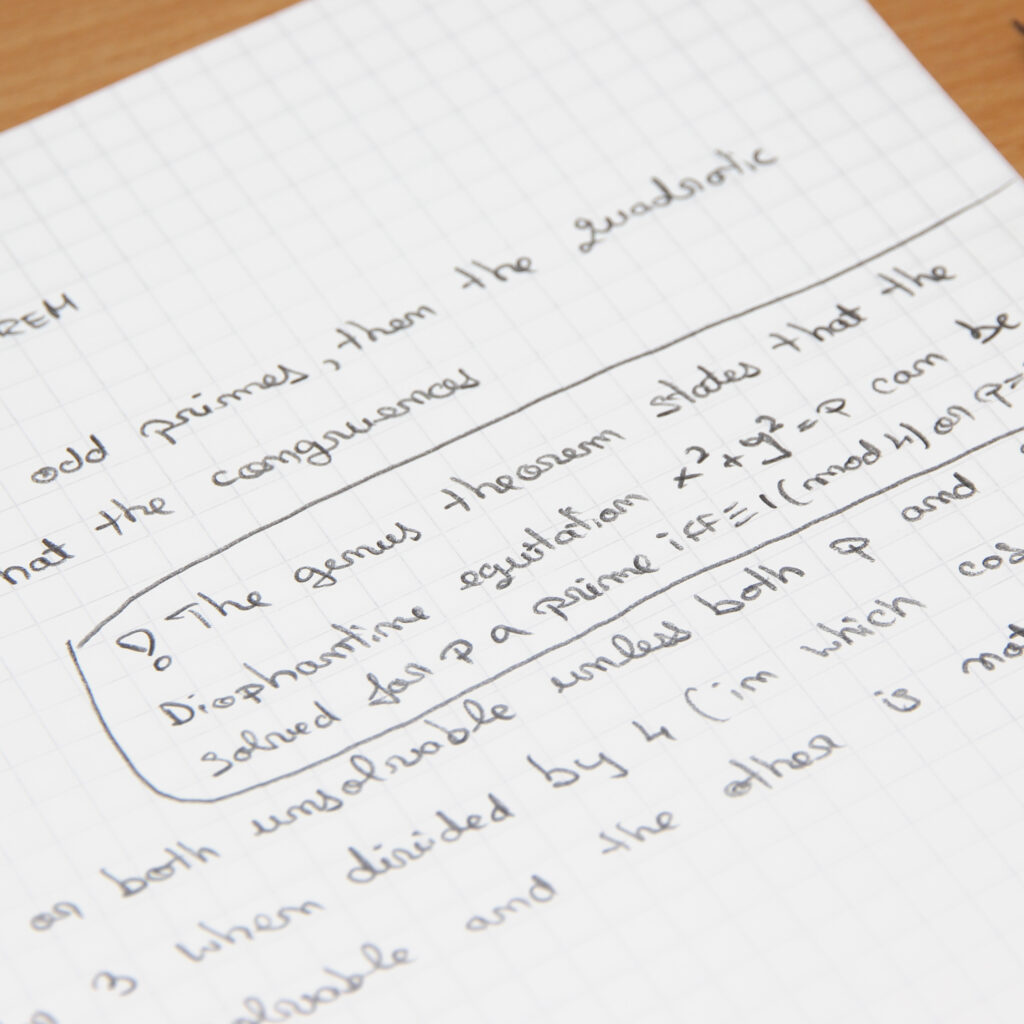
Short Answer
Definition
Taking math notes on a computer involves using digital tools and software to record, organize, and interact with mathematical concepts. This modern approach combines technology with effective learning strategies to transform note-taking from simple transcription into an active, engaging process that enhances understanding and retention.
- Digital Note-Taking:
The practice of capturing mathematical ideas, formulas, and explanations using electronic devices and specialized software. - Pedagogical Integration:
Incorporating learning techniques such as summarization, questioning, and visualization within digital notes to deepen comprehension.
Choosing the Right Digital Platform
Your digital workspace acts as a flexible and expansive environment for mathematical exploration. Selecting software that complements your learning style and organizational preferences is crucial. Popular platforms include:
- Microsoft OneNote:
Offers a versatile interface with freeform note-taking, drawing tools, and easy organization. - Notion:
Combines note-taking with database features, ideal for structuring complex mathematical topics. - LaTeX Editors:
Specialized for typesetting mathematical notation with precision, favored in academic and professional settings.
Organizing Mathematical Notes Effectively
Establishing a clear and logical structure is fundamental to creating useful math notes. Begin by outlining major topics and subdividing them into smaller concepts, definitions, and examples. This hierarchical framework facilitates quick navigation and better comprehension.
- Hierarchical Outlines:
Divide subjects like calculus, algebra, and statistics into chapters and subtopics such as differentiation, integration, or probability. - Visual Differentiation:
Use color-coding and thematic formatting to distinguish between definitions, theorems, proofs, and applications, enhancing clarity and memory retention.
Active Engagement with Mathematical Content
Mathematics demands more than passive note-taking; it requires interaction and reflection. Instead of copying information verbatim, rephrase concepts in your own words and pose questions to deepen understanding. This active involvement transforms notes into a dynamic learning tool.
- Summarization:
Condense complex ideas into concise explanations to reinforce comprehension. - Questioning:
Formulate inquiries such as “How does this theorem apply in practical scenarios?” to stimulate critical thinking.
Utilizing Visual Elements in Notes
Visual representations are invaluable for grasping abstract mathematical ideas. Incorporating diagrams, graphs, and flowcharts can clarify complex relationships and enhance cognitive processing.
- Graphing Tools:
Software like GeoGebra and Desmos enable the creation of interactive graphs and geometric illustrations. - Strategic Placement:
Embed visuals alongside formulas and explanations to provide concrete examples that support conceptual understanding.
Leveraging Semantic Technology
Modern note-taking software often includes semantic features that improve the organization and connectivity of information. These tools help create a rich, interconnected knowledge base.
- Tagging:
Assign keywords to related concepts for easy retrieval and thematic grouping. - Hyperlinking:
Link to external resources or deeper explanations to expand your learning network. - Embedded Multimedia:
Incorporate videos or interactive content to complement textual notes and provide alternative learning modalities.
Developing an Effective Review Strategy
To combat the transient nature of memory, implementing a consistent review routine is essential. Techniques such as spaced repetition and active recall strengthen retention and understanding.
- Spaced Repetition:
Schedule reviews at increasing intervals to reinforce knowledge over time. - Active Recall:
Test yourself by summarizing or answering questions without referring to notes. - Reflective Questions:
Encourage connections between new material and existing knowledge, enhancing integration and application.
Why Digital Math Note-Taking Is Important
Embracing digital note-taking in mathematics offers numerous benefits that extend beyond convenience. It fosters a deeper engagement with material, supports diverse learning styles, and creates a lasting repository of knowledge that can be revisited and expanded upon. This approach not only aids academic success but also cultivates intellectual growth and a lifelong appreciation for mathematical thinking.
Conclusion: Building a Digital Knowledge Archive
Taking math notes on a computer is more than a method; it is a deliberate practice that blends structure, creativity, and technology. By carefully organizing content, actively engaging with concepts, integrating visual aids, utilizing semantic tools, and maintaining a disciplined review schedule, learners can transform their notes into a powerful educational resource. This digital archive becomes a personal legacy of understanding, turning the complexities of mathematics into an accessible and inspiring journey.
FAQ
What software is best for taking math notes on a computer?
Popular software includes Microsoft OneNote for versatile note-taking, Notion for structured databases, and LaTeX editors for precise mathematical notation.
How can I organize my math notes digitally?
Use hierarchical outlines to break down topics, apply color-coding and formatting to differentiate concepts, and incorporate tags for easy retrieval.
Why is active engagement important when taking math notes?
Active engagement, like summarizing and questioning, deepens understanding and transforms notes into a dynamic learning tool.
How do visual elements help in math note-taking?
Diagrams, graphs, and flowcharts clarify complex ideas and improve cognitive processing by providing concrete visual examples.
What review strategies improve retention of math notes?
Techniques such as spaced repetition and active recall strengthen memory and facilitate better long-term understanding.





Leave a Reply