

Short Answer
Definition of Instrumentation
Instrumentation refers to the science and art of designing, developing, and utilizing devices and systems for measuring, monitoring, and controlling physical quantities. It plays a crucial role in various scientific and engineering disciplines by enabling precise data acquisition and system regulation.
- Scope:
Encompasses sensors, transducers, control systems, and data acquisition tools used across fields such as physics, engineering, biology, and environmental science. - Purpose:
Facilitates accurate measurement and control to support research, industrial processes, and technological innovation.
Educational Pathways to Learn Instrumentation
Formal Academic Programs
One of the most established methods to gain expertise in instrumentation is through university-level education. Many institutions offer dedicated courses or degrees in instrumentation engineering or related fields, combining theoretical knowledge with hands-on laboratory experience.
- Curriculum:
Covers fundamentals such as sensor technology, signal processing, and control theory. - Facilities:
Access to advanced labs and equipment for practical training. - Experiential Learning:
Opportunities for internships and cooperative education to apply skills in real-world settings.
Online Learning Platforms
For those seeking flexible study options, numerous e-learning platforms provide comprehensive courses on instrumentation topics. These digital resources allow learners to study at their own pace while engaging with instructors and peers through interactive forums.
- Popular Platforms:
Coursera, edX, Udacity, among others. - Course Content:
Includes measurement techniques, calibration, and data acquisition systems. - Community Interaction:
Enables collaborative learning and problem-solving.
Professional Workshops and Certification Programs
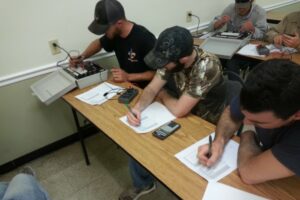
Workshops and certifications offer targeted skill development for professionals aiming to specialize or advance in instrumentation-related careers. These programs often focus on practical competencies and industry standards.
- Workshops:
Hands-on sessions covering topics like industrial automation and laboratory instrumentation. - Certifications:
Credentials from recognized bodies that validate expertise and enhance employability.
Supplementary Learning Resources
Technical Journals and Research Publications
Staying informed about the latest advancements in instrumentation is facilitated by reading peer-reviewed journals and technical magazines. These sources provide in-depth analyses of new technologies, methodologies, and applications.
- Benefits:
Exposure to cutting-edge research and critical evaluation of instrumentation techniques. - Examples:
Journals specializing in metrology, sensor technology, and instrumentation engineering.
Mentorship and Networking
Engaging with experienced professionals through mentorship programs or networking events can significantly enhance practical understanding and career development in instrumentation.
- Mentorship:
Personalized guidance, resource recommendations, and career advice. - Networking:
Opportunities to connect with experts and peers at conferences and industry gatherings.
Hands-On Learning and Experimentation
Self-directed study combined with practical experimentation is an effective way to deepen comprehension of instrumentation concepts. Building simple devices or conducting DIY projects can provide valuable experiential knowledge.
- DIY Projects:
Constructing sensors or assembling data acquisition setups using accessible components. - Support Resources:
Online forums, tutorials, and documentation to assist troubleshooting and learning. - Prerequisites:
Foundational theoretical knowledge to guide safe and effective experimentation.
Why Learning Instrumentation is Important
Mastering instrumentation is vital for advancing scientific research, improving industrial processes, and fostering technological innovation. Accurate measurement and control underpin the reliability and efficiency of systems across numerous sectors, making instrumentation expertise highly valuable.
Common Misconceptions About Instrumentation Learning
Instrumentation is only relevant for engineers.
While engineers frequently use instrumentation, professionals in biology, environmental science, and other fields also rely heavily on these tools.
Online courses cannot provide practical skills.
Many online programs incorporate virtual labs, simulations, and community interaction to foster hands-on learning.
Conclusion
The field of instrumentation offers diverse educational routes, from formal degrees to self-guided projects, each contributing uniquely to skill acquisition. Embracing a proactive and curious approach to learning will enable individuals to harness the full potential of instrumentation, enhancing both professional opportunities and scientific understanding.
FAQ
What is instrumentation?
Instrumentation is the science and art of designing, developing, and utilizing devices and systems for measuring, monitoring, and controlling physical quantities.
Where can I learn about instrumentation?
You can learn about instrumentation through formal academic programs, online learning platforms, professional workshops, certification programs, technical journals, mentorship, and hands-on experimentation.
Is instrumentation relevant only for engineers?
No, instrumentation is relevant not only to engineers but also to professionals in biology, environmental science, and other fields that rely on precise measurement and control.
Can online courses provide practical skills in instrumentation?
Yes, many online courses include virtual labs, simulations, and community interactions that help develop practical instrumentation skills.

Leave a Reply