

Short Answer
Definition of Instrumentation and Control Systems
Instrumentation and control systems constitute a critical framework utilized across numerous industries to monitor, regulate, and enhance various processes. This multidisciplinary domain integrates concepts from physics, engineering, computer science, and mathematics to create complex systems capable of addressing intricate industrial challenges. These systems are essential for improving operational efficiency, ensuring safety, and maintaining reliability in diverse applications.
Fundamentals of Instrumentation
Instrumentation focuses on the design and development of devices that accurately measure physical parameters such as temperature, pressure, flow rate, and liquid levels. Over time, instrumentation technology has evolved from simple mechanical gauges to highly advanced sensors incorporating cutting-edge innovations like micro-electromechanical systems (MEMS) and fiber optic technologies. These advancements have significantly enhanced measurement precision and responsiveness, enabling industries to better monitor dynamic environmental conditions and improve process control.
Role and Mechanism of Control Systems
Control systems are responsible for adjusting process variables to achieve specific desired results. By utilizing feedback loops and sophisticated algorithms, these systems work in tandem with instrumentation to regulate operations in a coordinated manner. This integration forms a comprehensive control architecture that is indispensable in sectors ranging from manufacturing to aerospace, ensuring processes remain stable, efficient, and safe.
Applications in Process Industries
Instrumentation and control systems are extensively applied in process industries where raw materials are transformed into finished goods. Sectors such as oil and gas, pharmaceuticals, and food production rely on advanced control strategies to maximize throughput while adhering to strict safety and quality standards. For example, advanced process control (APC) techniques combine real-time data collection with predictive modeling to optimize operational performance, meeting the growing global demand for higher productivity.
Impact of Industry 4.0 and IoT Integration
The emergence of Industry 4.0 has ushered in an era where interconnected devices and intelligent systems converge to revolutionize industrial operations. The Internet of Things (IoT) plays a pivotal role in predictive maintenance by continuously monitoring equipment health and forecasting potential failures before they occur. This proactive approach reduces downtime and operational risks, leveraging big data analytics and machine learning to enhance control strategies and support informed decision-making.
Instrumentation and Control in Renewable Energy Systems
As the world shifts towards sustainable energy solutions, instrumentation and control systems are integral to managing renewable energy sources such as solar and wind power. Smart grids and microgrid technologies depend on advanced control mechanisms to balance energy supply and demand, facilitating the integration of variable renewable inputs into traditional power networks. These innovations contribute to increased energy efficiency and a reduction in reliance on fossil fuels, addressing critical environmental challenges.
Healthcare Applications of Instrumentation and Control
In the medical field, instrumentation and control systems are vital for ensuring patient safety and enhancing treatment accuracy. Medical devices monitor vital signs, assist in diagnostics, and deliver therapies with high precision. The rise of telemedicine and remote patient monitoring exemplifies the expanding role of control systems, enabling healthcare providers to manage patient care from distant locations. This evolution improves responsiveness and adaptability within modern healthcare infrastructures.
Education and Workforce Development
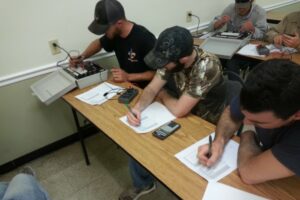
The growing complexity of instrumentation and control technologies necessitates a skilled workforce proficient in automation, data analysis, and system design. Educational institutions and professional bodies are updating curricula to incorporate hands-on training with the latest tools and methodologies. Preparing students and professionals in this field is crucial for fostering innovation and sustaining the advancement of instrumentation and control systems.
Significance and Future Outlook
The field of instrumentation and control systems plays a fundamental role in driving optimization, safety, and reliability across a wide array of industries. The continuous integration of technological breakthroughs with human expertise promises to transform operational paradigms and inspire new approaches to problem-solving. As these systems evolve, they open avenues for exploration and innovation, underscoring their indispensable contribution to the progress of modern society.
FAQ
What is the main purpose of instrumentation and control systems?
Instrumentation and control systems are designed to monitor, regulate, and optimize industrial processes to enhance efficiency, safety, and reliability.
How do control systems work in industrial applications?
Control systems use feedback loops and algorithms to adjust process variables, ensuring operations remain stable and meet desired performance targets.
What role does IoT play in modern instrumentation and control systems?
IoT enables continuous monitoring and predictive maintenance by connecting devices and analyzing data to prevent failures and optimize operations.
How are instrumentation and control systems applied in renewable energy?
They manage the integration of variable energy sources like solar and wind into the grid, balancing supply and demand for efficient energy distribution.
Why is workforce development important in instrumentation and control?
Because of technological advances, skilled professionals are needed to design, operate, and innovate instrumentation and control systems effectively.


Leave a Reply