
Short Answer
Definition of Environmental Ethics
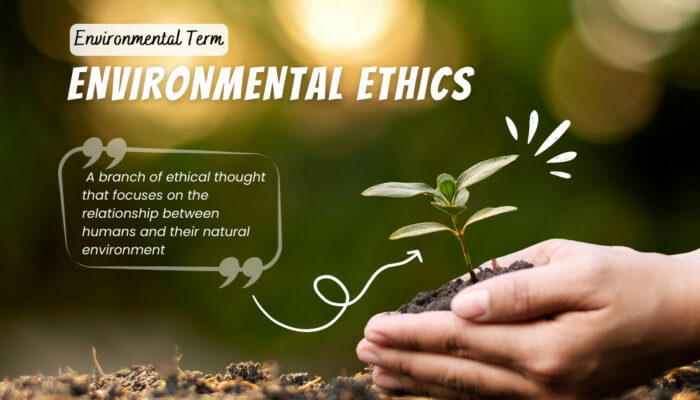
Environmental ethics is a vital branch of philosophy that explores the moral connections between humans and the natural environment. It marks a significant shift from human-centered (anthropocentric) perspectives to a more inclusive worldview that acknowledges the intrinsic value of all living organisms. This discipline critically examines human duties toward nature and seeks to reshape the narratives that define our ecological relationships.
Historical Development
The roots of environmental ethics extend back through centuries of philosophical thought. Early philosophers like Immanuel Kant and John Stuart Mill primarily focused on ethical considerations involving human interactions. However, the rapid industrialization during the Industrial Revolution highlighted the extensive exploitation of natural resources, prompting scholars to consider the ethical consequences of environmental harm. The environmental movement of the 20th century, propelled by influential works such as Rachel Carson’s Silent Spring, intensified discussions about humanity’s moral responsibility to safeguard the planet.
Core Ethical Questions: Value of Nature
At the heart of environmental ethics lies the inquiry into the value of non-human entities. This debate is often framed around two main perspectives:
- Intrinsic Value:
This viewpoint holds that nature possesses worth independent of its usefulness to humans. It supports ethical theories that advocate for moral consideration of all life forms, recognizing their inherent dignity. - Instrumental Value:
According to this stance, nature’s value is primarily derived from its utility in fulfilling human needs and desires. It views the environment as a resource to be managed for human benefit.
The tension between these perspectives fuels ongoing philosophical exploration into how humans should ethically relate to the natural world.
Ethical Frameworks Within Environmental Ethics
Environmental ethics encompasses a variety of theoretical approaches, each offering a unique lens through which to view human-nature relationships:
- Biocentrism:
This framework emphasizes the moral equality of all living beings, advocating for their consideration based on their ability to experience suffering or well-being. It challenges species hierarchies and promotes egalitarian treatment of life. - Ecocentrism:
Ecocentrism broadens the ethical focus to include entire ecosystems, valuing the interconnectedness and integrity of ecological communities rather than individual organisms alone. - Deep Ecology:
Deep ecology calls for a profound transformation in human values, encouraging a deep, intrinsic connection with nature that goes beyond superficial environmental fixes. It promotes radical changes in how humans perceive and interact with the natural world.
Environmental Ethics and Contemporary Global Challenges
Modern environmental ethics is deeply intertwined with urgent global issues such as climate change, biodiversity decline, and resource scarcity. These challenges underscore the need for ethical frameworks that address the complex interdependencies within ecosystems. For instance, climate change raises critical questions about intergenerational justice-our moral duty to ensure that future generations inherit a livable planet rather than the consequences of our overconsumption.
Environmental Justice: Equity and Fairness
A significant subfield within environmental ethics is environmental justice, which examines how environmental benefits and burdens are distributed across different communities. Historically, marginalized and vulnerable populations have disproportionately suffered from environmental degradation, prompting ethical debates about fairness and equity. This area of study advocates for policies that rectify these imbalances and promote just access to environmental resources.
Stewardship and Ethical Responsibility
Environmental ethics fosters a stewardship mindset, encouraging individuals and societies to adopt a responsible and caring attitude toward the natural world. This ethos promotes active participation in conservation, sustainable living, and community engagement. Beyond prescribing moral duties, environmental ethics acts as a catalyst for cultural and social transformation, challenging exploitative norms and nurturing regenerative relationships with the earth.
Technological Advances and Ethical Considerations
The Anthropocene era, marked by significant human impact on the planet, presents both opportunities and ethical dilemmas through technological progress. Innovations such as renewable energy and conservation biology offer promising paths toward sustainability. However, emerging technologies like biotechnology and geoengineering raise complex moral questions about the extent to which humans should intervene in natural systems. Environmental ethics provides a critical framework to navigate these challenges thoughtfully and responsibly.
Integration of Philosophy and Practical Action
Environmental ethics bridges theoretical reflection and practical application. It informs advocacy, policy-making, and grassroots initiatives aimed at environmental sustainability. This interdisciplinary approach draws from philosophy, ecology, sociology, and economics to develop comprehensive solutions that address the multifaceted nature of environmental issues.
Conclusion: The Significance of Environmental Ethics
Environmental ethics offers a profound perspective on humanity’s role within the broader ecological community. It encourages a shift from domination to reciprocity, urging us to cultivate respectful and mutually beneficial relationships with the natural world. As ecological crises intensify, the principles of environmental ethics challenge us to evolve our moral frameworks and inspire proactive stewardship. Through committed ethical inquiry and collective action, we can strive toward a sustainable and harmonious coexistence with the diverse web of life that sustains us.
FAQ
What is environmental ethics?
Environmental ethics is a branch of philosophy that studies the moral relationship between humans and the natural environment, emphasizing the intrinsic value of nature and ethical responsibilities toward it.
Why is environmental ethics important today?
It is crucial for addressing global environmental challenges like climate change, resource depletion, and biodiversity loss by guiding ethical decision-making and promoting sustainability.
What are the main perspectives on the value of nature?
The two main perspectives are intrinsic value, where nature is valuable in itself, and instrumental value, where nature is valuable for its utility to humans.
How does environmental ethics relate to technology?
It evaluates the ethical implications of technologies such as renewable energy, biotechnology, and geoengineering, guiding responsible environmental interventions.
What is environmental justice?
Environmental justice is a subfield that addresses the equitable distribution of environmental benefits and harms, focusing on protecting marginalized communities.





Leave a Reply