
Short Answer
Definition of Renewable Energy
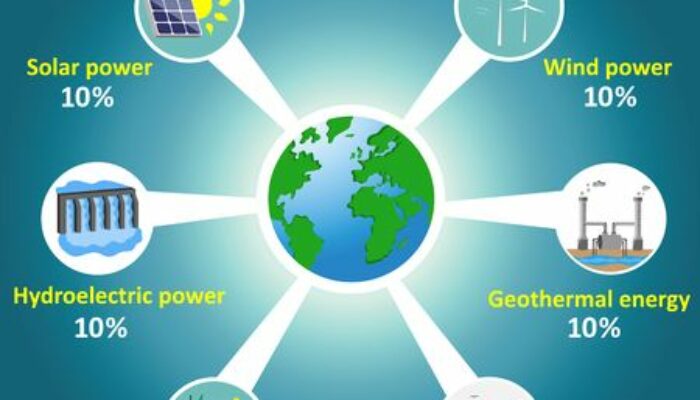
Renewable energy refers to power generated from natural sources that replenish on a human timescale. These energy forms include solar radiation, wind currents, flowing water, and organic materials such as biomass. Unlike finite fossil fuels, renewables offer a continuous supply, making them attractive alternatives for sustainable energy production.
- Solar Energy:
Harnessing sunlight through photovoltaic cells or solar thermal systems. - Wind Energy:
Utilizing wind turbines to convert kinetic wind energy into electricity. - Hydroelectric Power:
Generating electricity by channeling water flow through dams or river systems. - Biomass Energy:
Producing energy from organic matter like plant materials and animal waste.
Environmental Impact of Renewable Energy
While renewable energy sources are often praised for their low emissions during operation, their environmental footprint extends beyond mere energy generation. A comprehensive evaluation must consider the entire lifecycle-from resource extraction and manufacturing to installation, operation, and decommissioning.
- Manufacturing and Resource Extraction:
The production of solar panels requires significant energy input and raw materials such as silicon, often obtained through mining activities that can damage ecosystems. Similarly, wind turbines depend on rare earth elements, whose extraction may lead to habitat destruction and soil erosion. - Ecological Disturbances:
Wind farms pose risks to bird and bat populations due to collisions and habitat changes. Hydroelectric dams alter river ecosystems, disrupt fish migration patterns, and modify natural hydrology, impacting aquatic biodiversity. - Land Use and Habitat Loss:
Large-scale solar farms and wind installations necessitate extensive land areas, potentially leading to habitat fragmentation and degradation if not carefully managed.
Challenges of Intermittency and Energy Storage
Renewable energy sources such as solar and wind are inherently intermittent, depending on weather and time of day. This variability can create reliability issues for power grids, often requiring backup from fossil fuel-based plants to maintain consistent electricity supply. Without advanced energy storage solutions or smart grid technologies, the environmental benefits of renewables may be compromised by continued fossil fuel use.
Socio-Economic Considerations in Renewable Energy Deployment
The shift towards renewable energy involves significant economic and social factors that influence its overall sustainability.
- Investment and Infrastructure:
Transitioning to renewables demands substantial upfront capital and infrastructure development, which can be challenging for developing nations. - Employment Dynamics:
Jobs in renewable sectors fluctuate, with roles in installation, operation, and maintenance sometimes lacking stability, affecting economic security in emerging markets. - Environmental Justice:
The siting of renewable projects can disproportionately impact marginalized or indigenous communities, raising concerns about land rights, displacement, and equitable participation in decision-making processes.
Lifecycle and Waste Management of Renewable Technologies
Although renewable energy systems produce minimal emissions during operation, their sustainability depends on effective end-of-life management. Solar panels and wind turbine blades, once decommissioned, present significant waste disposal challenges. Implementing circular economy principles, including recycling and repurposing materials, is essential to minimize environmental harm and extend the benefits of renewable technologies beyond their active use.
Why Renewable Energy Matters
Renewable energy plays a crucial role in mitigating climate change by reducing greenhouse gas emissions and decreasing reliance on finite fossil fuels. Its adoption supports global efforts toward sustainable development, energy security, and environmental preservation. However, realizing these benefits requires addressing ecological impacts, socio-economic factors, and ethical considerations to ensure a truly sustainable energy future.
Common Misconceptions About Renewable Energy
Renewable energy is completely free of environmental impact.
While operational emissions are low, manufacturing, resource extraction, and land use can have significant ecological consequences.
Renewables can fully replace fossil fuels without additional technology.
Due to intermittency, energy storage and grid management technologies are necessary to ensure reliability and maximize environmental benefits.
Renewable energy deployment is universally beneficial for all communities.
Project siting can affect marginalized groups disproportionately, necessitating inclusive planning and environmental justice considerations.
Conclusion: A Balanced Perspective on Renewable Energy
Evaluating whether renewable energy is unequivocally better for the environment reveals a complex interplay of factors. While renewables offer significant advantages in reducing carbon emissions and promoting sustainability, their ecological, social, and economic impacts require careful management. Achieving a truly sustainable energy system demands integrating environmental stewardship with social equity and technological innovation, ensuring that renewable energy fulfills its promise for current and future generations.
FAQ
What is renewable energy?
Renewable energy refers to power generated from sources that replenish naturally, like solar, wind, and biomass.
Are renewable energy sources completely environmentally friendly?
No, while they have low operational emissions, their lifecycle can impact the environment significantly.
What challenges do renewable energy sources face?
Intermittency and energy storage are major challenges that can affect reliability.





Leave a Reply