
Short Answer
Understanding Carbon Taxes
A carbon tax is a fiscal instrument aimed at reducing greenhouse gas emissions by levying a charge on the carbon content of fossil fuels. This policy seeks to internalize the environmental costs of carbon dioxide emissions, encouraging businesses and individuals to adopt cleaner energy sources and invest in sustainable technologies. By making carbon emissions financially burdensome, carbon taxes serve as an economic incentive to curb pollution and mitigate climate change.
- Purpose:
To reduce carbon emissions by assigning a cost to the environmental damage caused by fossil fuel consumption. - Mechanism:
Imposes a direct tax on the carbon content of fuels, influencing market behavior towards greener alternatives. - Expected Outcome:
Encourages innovation in renewable energy and energy efficiency, leading to lower overall emissions.
Reasons for the Absence of Carbon Taxes in Certain Countries
Despite the recognized benefits of carbon taxes, several nations have refrained from adopting this policy. The reasons behind this reluctance are complex and often rooted in economic, political, and social factors.
- Economic Dependence on Fossil Fuels:
Countries with economies heavily reliant on oil, gas, or coal industries may fear that a carbon tax could destabilize their economic structure and lead to job losses. - Political Resistance:
In some nations, political opposition and debates over the economic impact of carbon taxes hinder the establishment of such policies at the national level. - Institutional Challenges:
The lack of robust administrative frameworks can impede the effective enforcement and collection of carbon taxes. - Social Equity Concerns:
Policymakers may worry that carbon taxes disproportionately burden lower-income populations, leading to social and economic inequalities.
Key Countries Without Comprehensive Carbon Tax Policies
United States
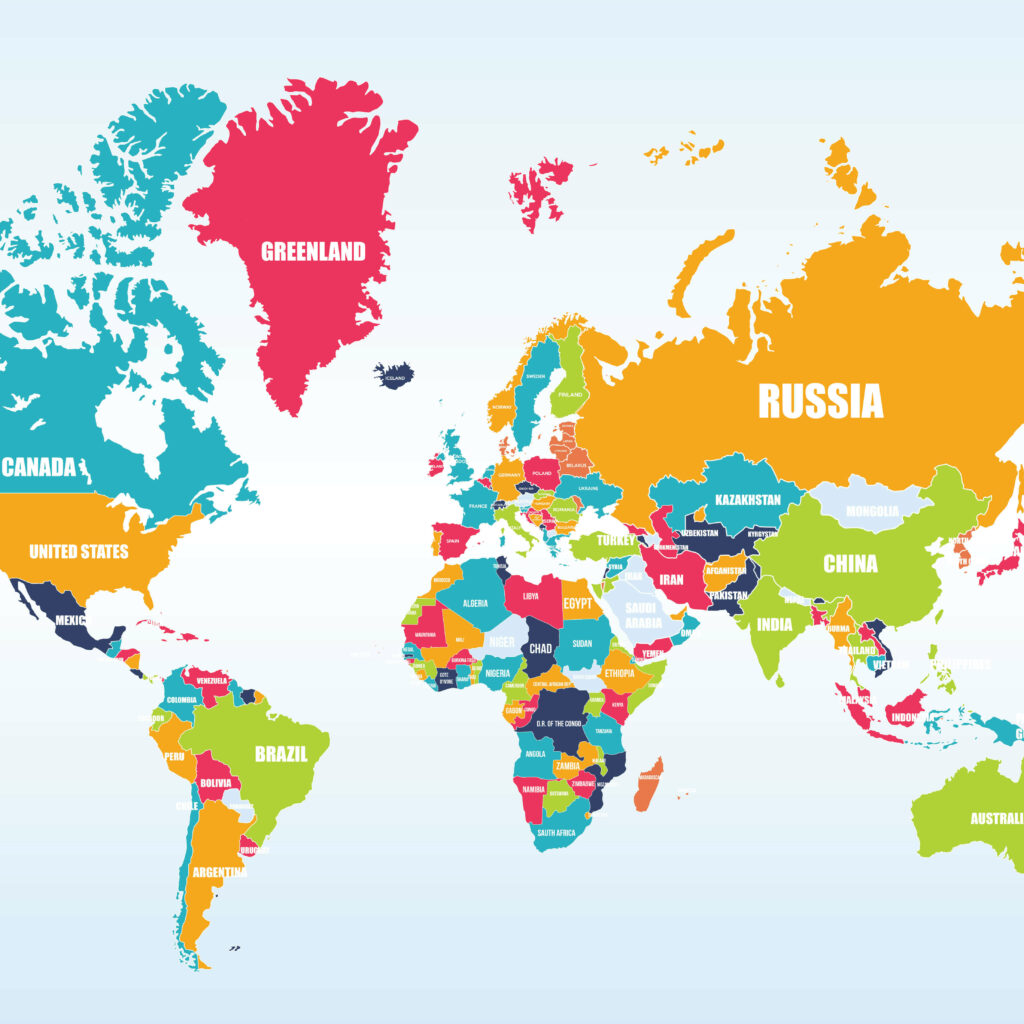
The United States does not have a nationwide carbon tax, although some states like California and Washington have implemented their own carbon pricing mechanisms, including emissions trading systems and localized carbon taxes. The absence of a federal carbon tax is largely due to political divisions and concerns about the economic consequences of such a policy. This fragmented approach creates challenges in forming a cohesive national climate strategy that balances economic diversity with environmental goals.
China
As the largest global emitter of greenhouse gases, China has yet to introduce a nationwide carbon tax. Instead, the government is experimenting with emissions trading schemes on a limited scale. China’s approach prioritizes regulatory measures over taxation, reflecting its unique political and economic context. The country faces the challenge of sustaining rapid industrial growth while addressing international environmental responsibilities.
India
India, another major emitter, has avoided implementing a carbon tax primarily due to its significant reliance on coal for energy and concerns about the potential negative impact on economic development. The government focuses on expanding renewable energy capacity and improving energy efficiency standards as alternative strategies to combat climate change. India’s dilemma lies in balancing its developmental needs with environmental sustainability.
Russia
Russia’s economy is deeply intertwined with oil and gas exports, making the introduction of a carbon tax a sensitive issue. While the country is exploring various carbon regulation methods, a comprehensive carbon tax has not been adopted. Russia’s situation highlights the difficulty fossil fuel-dependent economies face in transitioning toward sustainable practices without jeopardizing economic stability.
Other Notable Countries
Countries such as Saudi Arabia, Indonesia, and Turkey also exemplify the trend of avoiding carbon taxes. Their reasons range from economic reliance on fossil fuels to political resistance and socioeconomic challenges that necessitate cautious policymaking.
Global Implications of Not Implementing Carbon Taxes
The reluctance of major emitters to adopt carbon taxes underscores the broader challenges in global climate governance. This divergence raises critical questions about fairness and effectiveness in international climate policies. The disparity between countries that have embraced carbon taxes and those that have not reflects the complexities involved in fostering global cooperation to reduce greenhouse gas emissions.
Alternative Climate Strategies Beyond Carbon Taxation
As the global conversation on climate change advances, reliance solely on carbon taxes becomes increasingly complicated. National interests, economic impacts, and global responsibilities intertwine, making uniform policy implementation difficult. Future climate action is likely to involve a combination of regulatory frameworks, technological advancements, and international collaboration rather than a singular focus on taxation.
Significance of Carbon Tax Policies in Climate Action
Carbon taxes represent a critical tool in the fight against climate change by providing economic incentives to reduce emissions. However, their absence in key countries highlights the need for diverse and adaptable strategies that consider economic realities and social equity. Understanding which nations have not implemented carbon taxes offers insight into the broader challenges of balancing economic growth with environmental stewardship on a global scale.
FAQ
What is a carbon tax?
A carbon tax is a fiscal policy designed to reduce greenhouse gas emissions by imposing a fee on the carbon content of fossil fuels.
Why don't some countries have a carbon tax?
Countries may lack a carbon tax due to economic reliance on fossil fuels, political opposition, and concerns about social equity.
What are the effects of not having a carbon tax?
The absence of a carbon tax can lead to increased greenhouse gas emissions and complicate global climate governance.




Leave a Reply