
Short Answer
Definition of Nuclear Weapons
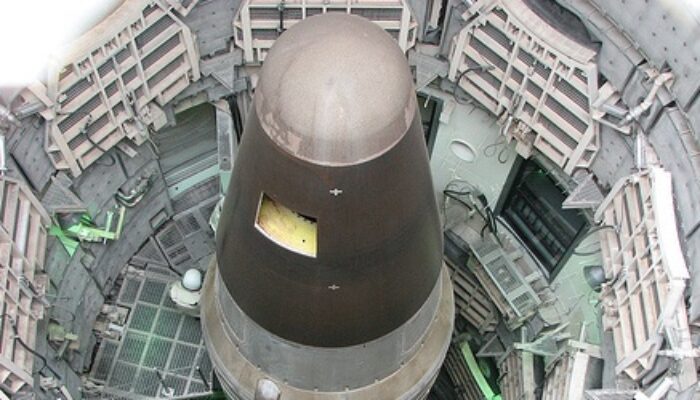
Nuclear weapons are explosive devices that derive their destructive power from nuclear reactions, either fission or a combination of fission and fusion. These weapons have transitioned from speculative fiction to critical elements in global security and international diplomacy. Their existence is deeply intertwined with complex moral, strategic, and geopolitical considerations, making them subjects of ongoing debate worldwide.
Deterrence Theory and Strategic Stability
At the heart of nuclear strategy lies deterrence theory, which posits that the possession of nuclear arms discourages hostile actions by adversaries. This principle is grounded in the concept of mutual assured destruction (MAD), where opposing sides recognize that any nuclear conflict would result in catastrophic consequences for all parties involved. This precarious balance has arguably prevented large-scale wars between nuclear-armed states, particularly during the Cold War, by creating a stalemate that discourages direct military confrontation.
Broader Deterrence Beyond Conventional Warfare
Deterrence extends beyond traditional military threats to encompass challenges such as terrorism and cyber warfare. Nuclear arsenals can act as a powerful deterrent against rogue states or non-state actors considering extreme measures that could destabilize regions or provoke international crises. The presence of nuclear weapons thus serves as a strategic anchor, fostering caution among potential aggressors aware of the severe consequences of escalation.
Nuclear Weapons as Instruments of Global Influence
In the anarchic international system, nuclear weapons serve as tools for power projection and diplomatic leverage. Countries possessing these arms often command greater respect and influence on the world stage, enabling them to negotiate from positions of strength. For example, the five permanent members of the United Nations Security Council-the United States, Russia, China, France, and the United Kingdom-are all recognized nuclear-armed states, highlighting how nuclear capabilities can translate into privileged geopolitical status.
Regional Security and Nuclear Proliferation
In regions marked by historical conflicts and rivalries, nuclear weapons play a critical role in national defense strategies. The South Asian context, particularly the nuclear rivalry between India and Pakistan, exemplifies how nuclear arsenals are viewed as essential deterrents against existential threats. While this dynamic can trigger arms races and heighten tensions, it also encourages diplomatic efforts aimed at conflict management and regional stability, illustrating the paradoxical effects of nuclear proliferation.
Dual-Use Nature of Nuclear Technology
Nuclear technology embodies a dual-use dilemma, where the same scientific advancements that enable weapon development also facilitate civilian applications such as energy production. Nations involved in nuclear weapons programs often gain sophisticated technological expertise that can be redirected toward peaceful purposes. This overlap complicates international efforts to control nuclear proliferation, as countries may justify their nuclear activities under the guise of energy needs, challenging global non-proliferation frameworks.
Ethical Considerations and Humanitarian Impact
The moral implications of nuclear weapons are profound, given their unparalleled destructive capacity and the catastrophic humanitarian consequences witnessed in Hiroshima and Nagasaki. These historical events serve as stark reminders of the devastation nuclear arms can inflict. Despite this, proponents argue that the deterrence effect justifies their continued existence, prioritizing pragmatic concerns of national survival over absolute moral judgments.
International Law and Nuclear Policy
The Treaty on the Non-Proliferation of Nuclear Weapons (NPT) embodies the tension between the goals of disarmament and the realities of national security. While the treaty seeks to prevent the spread of nuclear weapons, it simultaneously acknowledges the right of states to maintain nuclear arsenals for self-defense. This dual recognition shapes the global dialogue on nuclear governance, as countries balance ethical considerations, security needs, and power politics.
Technological Advances and Their Impact on Nuclear Strategy
Emerging technologies such as precision-guided munitions, missile defense systems, and cyber warfare capabilities have transformed military doctrines and altered risk assessments. These innovations prompt states to reevaluate the role of nuclear weapons, which may be seen either as outdated relics or as indispensable components of a modernized defense posture capable of countering sophisticated threats.
Why Nuclear Weapons Remain Relevant
The necessity of nuclear weapons arises from a complex interplay of deterrence, diplomatic influence, regional security concerns, ethical debates, and evolving military technologies. As global power structures shift and new security challenges emerge, the discourse surrounding nuclear arms remains critical. Societies must continuously assess the balance between the immense destructive potential of these weapons and their strategic value in maintaining international stability and national security.
FAQ
What is deterrence theory?
Deterrence theory posits that possessing nuclear arms discourages hostile actions by adversaries.
What are the humanitarian impacts of nuclear weapons?
Nuclear weapons have catastrophic humanitarian consequences, as seen in historical bombings.






Leave a Reply