
Short Answer
Definition of Industrial Automation and Robotics
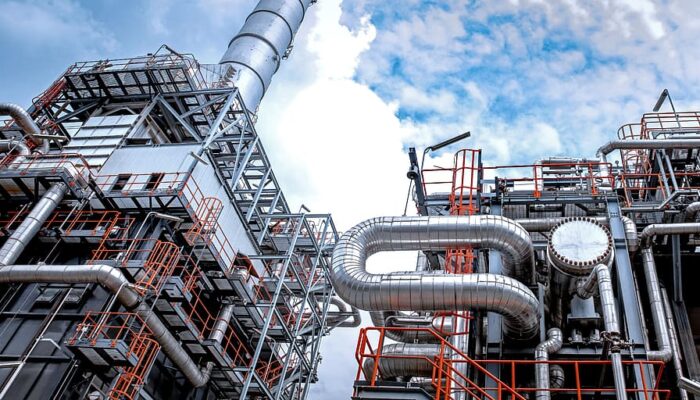
Industrial automation involves the application of control systems, including computers and robots, to manage various industrial processes and machinery. This encompasses a wide range of operations such as controlling factory equipment, managing boilers and heat treatment ovens, operating telephone networks, and even regulating aircraft jet engines. Robotics, on the other hand, refers to the physical machines designed to perform tasks autonomously or with minimal human intervention, ranging from simple robotic arms on assembly lines to sophisticated autonomous vehicles.
- Industrial Automation:
The use of embedded systems, programmable logic controllers (PLCs), and centralized control units to automate industrial tasks. - Robotics:
Physical devices capable of executing programmed tasks, often equipped with adaptive and learning capabilities.
How Industrial Automation and Robotics Function
At the heart of industrial automation lies the integration of sensors, software, and machinery working in concert to perform complex operations with minimal human input. These systems reduce errors and enhance speed by precisely controlling each step of a process. Robotics serves as the tangible element of this system, executing physical tasks with accuracy and adaptability. Together, they form a synchronized network where machines and control systems collaborate seamlessly, much like a well-rehearsed performance.
Advantages and Operational Benefits
One of the primary benefits of automation and robotics is the significant boost in operational efficiency. By automating repetitive and routine tasks, human workers can focus on more intellectually demanding and creative roles. This shift not only improves productivity but also fosters innovation within the workforce.
Additionally, automation enhances quality control by continuously monitoring processes with a level of precision unattainable by human oversight. This meticulous regulation minimizes waste and optimizes the use of resources, ensuring consistent product quality.
Economic Considerations and Return on Investment
Implementing automated systems and robotics often requires a substantial initial financial investment, which can be a barrier for many organizations. This upfront cost demands careful evaluation, similar to an investor analyzing a complex market opportunity.
Despite the high initial expenditure, the long-term financial benefits typically outweigh these costs. Automation reduces labor expenses, decreases defect rates, and increases production throughput. Furthermore, the data generated by automated systems can be leveraged to refine business strategies, identify inefficiencies, and streamline operations, creating a mutually beneficial relationship between human expertise and machine precision.
Socio-Economic Impact and Workforce Transformation
The rise of industrial automation brings significant changes to the labor market. While some traditional jobs may become obsolete, new opportunities emerge in fields such as robotics design, system maintenance, and integration. This transition necessitates a shift in education and vocational training to equip the workforce with relevant skills, ensuring a smooth adaptation to evolving industrial demands.
Environmental Implications of Automation
Automation also holds promise for enhancing environmental sustainability. Automated systems can optimize energy consumption, reduce waste caused by human error, and help industries comply with environmental regulations. When properly managed, these technologies can guide industrial processes toward more sustainable practices, balancing efficiency with ecological responsibility.
Future Outlook and Technological Synergy
The evolving relationship between industrial automation and robotics points to a future where human creativity and machine accuracy coexist harmoniously. As technological advancements continue, the potential for collaboration between humans and machines will expand, leading to innovations that transform manufacturing and service sectors alike.
Common Misconceptions About Industrial Automation and Robotics
Automation will eliminate all jobs.
While some roles may become redundant, automation creates new job opportunities requiring advanced technical skills.
Automation is only beneficial for large corporations.
Businesses of all sizes can benefit from automation through improved efficiency and cost savings.
Robots lack flexibility and cannot adapt.
Modern robotics often incorporate adaptive algorithms and learning capabilities, enabling them to handle diverse tasks.
Why Industrial Automation and Robotics Are Crucial
Industrial automation and robotics are pivotal in driving efficiency, quality, and innovation across various sectors. They enable industries to meet increasing production demands while maintaining high standards and reducing environmental impact. Moreover, these technologies foster a dynamic workforce focused on creativity and problem-solving, essential for sustained economic growth and technological progress.
FAQ
What is industrial automation?
Industrial automation involves using control systems and technology to operate industrial processes and machinery with minimal human intervention.
What role do robots play in industrial automation?
Robots physically execute tasks autonomously or semi-autonomously, enabling precise and efficient manufacturing operations.
What are the advantages of adopting industrial automation?
Benefits include improved operational efficiency, higher quality control, cost savings, and enhanced safety.
What challenges do companies face when implementing automation?
Companies must address high upfront investments, workforce skill shifts, and potential socio-economic effects.
How does automation contribute to environmental sustainability?
Automation helps optimize resource use, reduce waste, and supports compliance with environmental regulations.




Leave a Reply