
Short Answer
Definition of Pressure Transmitters
Pressure transmitters are electromechanical instruments designed to convert physical pressure measurements into standardized electrical signals. These devices play a crucial role in enabling real-time monitoring and control across a wide range of industrial applications, including oil and gas extraction, pharmaceutical manufacturing, and water treatment facilities. By transforming pressure data into electrical outputs, pressure transmitters facilitate accurate and consistent pressure regulation essential for system safety and efficiency.
Fundamental Working Principles
The operation of pressure transmitters hinges on converting mechanical pressure into an electrical signal through various transduction techniques. The most common methods include piezoelectric, capacitive, and strain gauge technologies. Although each employs a distinct physical principle, all serve the primary function of translating pressure variations into measurable electrical signals.
Piezoelectric Pressure Transmitters
Piezoelectric transmitters utilize materials that generate an electrical charge when subjected to mechanical stress-a phenomenon known as the piezoelectric effect. When pressure is applied to a piezoelectric crystal, it deforms, causing a redistribution of electrical charges within the material. This deformation produces a voltage proportional to the applied pressure, which can be amplified and processed to provide a reliable output signal. These transmitters are valued for their rapid response times and durability, making them ideal for dynamic pressure measurements in environments with rapidly changing conditions.
Capacitive Pressure Transmitters
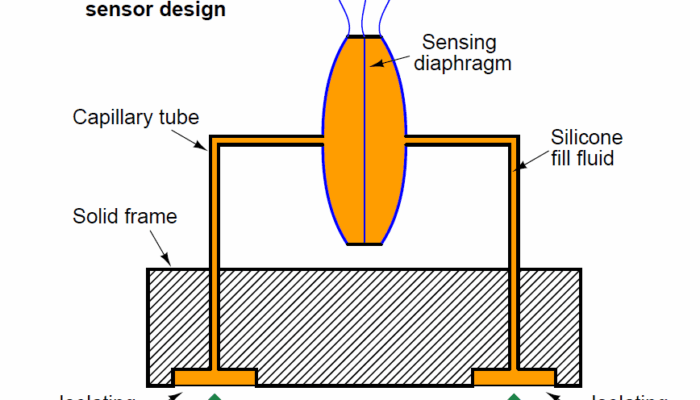
Capacitive pressure sensors operate by detecting changes in capacitance caused by pressure-induced displacement of a diaphragm. The diaphragm’s movement alters the distance between two capacitor plates, thereby changing the capacitance value. This variation is converted into a voltage signal through electronic circuitry. Capacitive transmitters are known for their high precision and stability across a broad temperature range, attributes that are critical in applications requiring exact pressure control.
Strain Gauge Pressure Transmitters
Strain gauge transmitters employ a strain-sensitive resistor attached to a metallic diaphragm. When pressure causes the diaphragm to bend, the strain gauge experiences deformation, leading to a change in its electrical resistance. This resistance change is measured and converted into an electrical signal proportional to the pressure. Strain gauge sensors are appreciated for their simplicity, cost-effectiveness, and excellent linearity, which contribute to their widespread use in various industrial sectors.
Components and Architecture
A typical pressure transmitter consists of three main parts: the sensing element, the signal conditioning circuit, and the output interface. The sensing element directly interacts with the pressure source, converting mechanical pressure into an initial electrical signal. The signal conditioning circuit then refines this raw signal, enhancing its accuracy and stability by filtering noise and performing linearization. Finally, the output interface transmits the processed signal, either as an analog or digital output, to monitoring systems or control units, enabling seamless integration into automated processes.
Adaptation to Environmental Challenges
Pressure transmitters are often deployed in harsh environments where temperature fluctuations, corrosive substances, and electromagnetic interference can affect performance. To address these challenges, modern transmitters are constructed with durable materials and protective housings that resist corrosion and mechanical damage. Additionally, advanced digital signal processing techniques are employed to mitigate noise and interference, ensuring reliable and precise pressure readings under adverse conditions.
Advancements in Communication and Diagnostics
The evolution of pressure transmitter technology has introduced smart transmitters equipped with enhanced diagnostic features and communication protocols such as HART and Profibus. These smart devices not only provide accurate pressure measurements but also offer predictive maintenance capabilities by monitoring their own health and alerting operators to potential faults before failures occur. This integration of communication and diagnostics significantly improves process reliability and reduces downtime.
Applications Across Industries
Pressure transmitters are indispensable in numerous sectors due to their ability to provide accurate pressure data critical for process control and safety. In the oil and gas industry, they monitor pipeline pressures to prevent leaks and ruptures. Water treatment plants rely on them to maintain optimal water levels and flow rates. The pharmaceutical industry depends on precise pressure control to uphold sterile conditions and ensure product quality. Their widespread use underscores their vital role in maintaining operational integrity and safety across diverse fields.
Common Misconceptions About Pressure Transmitters
Pressure transmitters only measure static pressure.
Many pressure transmitters, especially piezoelectric types, can accurately measure dynamic pressure changes, making them suitable for fluctuating pressure environments.
All pressure transmitters are equally affected by temperature variations.
Capacitive pressure transmitters are designed to maintain high accuracy and stability even across wide temperature ranges, unlike some other types.
Importance of Pressure Transmitters
Pressure transmitters are fundamental to modern industrial automation and safety systems. Their ability to provide precise, real-time pressure data enables efficient process control, reduces the risk of equipment failure, and ensures compliance with safety standards. As industries advance and demand higher accuracy and reliability, pressure transmitter technology continues to evolve, integrating smarter diagnostics and robust designs to meet these growing needs.
FAQ
What is a pressure transmitter?
A pressure transmitter is a device that converts pressure measurements into standardized electrical signals for monitoring and control.
How does a piezoelectric pressure transmitter work?
It generates an electrical charge in response to mechanical stress applied to a piezoelectric crystal, producing a voltage proportional to pressure.
What is the role of a capacitive pressure transmitter?
It measures pressure by detecting changes in capacitance due to diaphragm displacement affecting the distance between capacitor plates.
Why are strain gauge pressure transmitters popular?
They are simple, cost-effective, and provide high linearity by measuring resistance changes caused by diaphragm deformation.
What benefits do smart pressure transmitters provide?
They offer enhanced diagnostics, communication interfaces, and support predictive maintenance to improve process reliability.


Leave a Reply