
Short Answer
Definition of Nuclear Power
Nuclear power refers to the generation of electricity through the energy released by nuclear reactions. It serves as a critical alternative to fossil fuels, offering a substantial portion of the world’s energy supply. This form of energy production harnesses the forces within atomic nuclei to produce heat, which is then converted into electrical power.
Primary Methods of Nuclear Energy Generation
Nuclear Fission
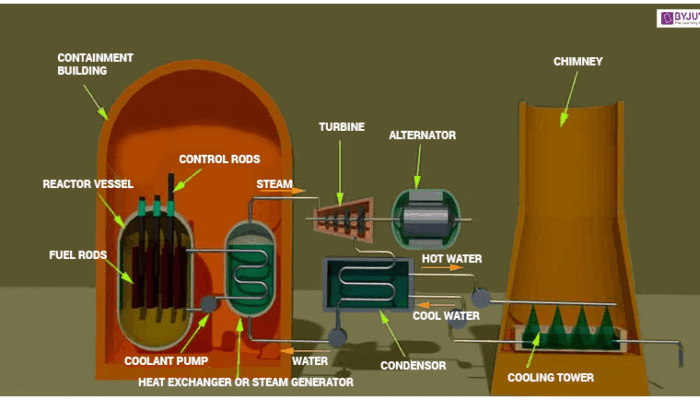
The dominant technique for producing nuclear energy is nuclear fission, a process that takes place inside nuclear reactors. Fission involves splitting the nuclei of heavy atoms, typically uranium-235 or plutonium-239, into smaller fragments. This reaction liberates a large amount of heat energy, which is subsequently used to generate steam. The steam drives turbines connected to electrical generators, producing electricity. Despite its widespread use, fission presents challenges such as the finite availability of uranium, the management of radioactive waste, and the risk of severe accidents.
Fast Breeder Reactors
Fast breeder reactors represent an advanced form of fission technology. Unlike conventional reactors, these systems not only produce energy but also generate more fissile material than they consume by converting fertile isotopes like uranium-238 into fissile plutonium-239. This process extends the usability of nuclear fuel and enhances energy security. However, the complexity, high costs, and technical demands of fast breeder reactors limit their current deployment.
Nuclear Fusion
Nuclear fusion is an emerging and promising method that involves combining light atomic nuclei, such as isotopes of hydrogen (deuterium and tritium), to form a heavier nucleus. This fusion reaction releases tremendous energy, similar to the processes powering the sun. Fusion offers the potential for a nearly limitless, clean energy source without the long-lived radioactive waste associated with fission. Achieving controlled fusion requires extremely high temperatures and pressures, making it a formidable scientific and engineering challenge that remains unresolved.
Thorium-Based Reactors
Thorium reactors utilize thorium-232 as a nuclear fuel, presenting an alternative to uranium-based systems. Thorium is more abundant in the Earth’s crust and can potentially offer a safer and more sustainable fuel cycle. Additionally, thorium reactors produce less long-lived radioactive waste. Although still in experimental stages and not yet commercially widespread, thorium technology could transform the future of nuclear energy by addressing some environmental and ethical concerns linked to traditional fission reactors.
Mechanisms Behind Nuclear Power Production
At the heart of nuclear power generation lies the conversion of nuclear energy into thermal energy. In fission reactors, the splitting of heavy atomic nuclei releases neutrons and heat. The heat is transferred to a coolant, which then produces steam to drive turbines. Fast breeder reactors enhance this process by breeding new fuel, thus extending fuel availability. Fusion reactors aim to replicate the sun’s energy production by fusing light nuclei under extreme conditions, releasing energy without the chain reactions characteristic of fission.
Safety and Regulatory Considerations
Given the potential hazards associated with nuclear power, stringent safety measures and regulatory oversight are essential. Historical nuclear accidents have underscored the importance of robust safety protocols, including continuous radiation monitoring, automated emergency shutdown systems, and comprehensive disaster preparedness plans. As nuclear technology advances, regulatory frameworks must evolve to ensure that safety standards keep pace with new reactor designs and operational complexities.
Socio-Political Impact of Nuclear Energy
The deployment of nuclear power is deeply intertwined with social and political factors. Public opinion is often shaped by past nuclear incidents and concerns over radioactive waste disposal. Advocates emphasize nuclear energy’s role in reducing greenhouse gas emissions and providing a stable energy supply during the transition to renewable sources. Conversely, opponents highlight the risks of accidents and unresolved waste management issues. This ongoing debate influences policy decisions and the future trajectory of nuclear energy worldwide.
Real-World Applications and Examples
- Conventional Nuclear Power Plants:
Facilities such as the Palo Verde Nuclear Generating Station in the United States utilize uranium-based fission reactors to supply electricity to millions of homes. - Fast Breeder Reactor Projects:
The BN-800 reactor in Russia exemplifies operational fast breeder technology aimed at fuel sustainability. - Fusion Research Initiatives:
Experimental projects like ITER (International Thermonuclear Experimental Reactor) are pioneering efforts to achieve controlled nuclear fusion. - Thorium Reactor Development:
Countries like India are actively researching thorium fuel cycles to capitalize on their abundant thorium reserves.
Common Misconceptions About Nuclear Power
Nuclear power is inherently unsafe.
While nuclear accidents have occurred, modern reactor designs and stringent safety protocols significantly reduce risks.
Nuclear energy produces large amounts of greenhouse gases.
Nuclear power generation emits negligible greenhouse gases compared to fossil fuels.
Nuclear waste remains hazardous forever.
Radioactive waste decays over time, and advanced waste management techniques can mitigate long-term risks.
Importance of Nuclear Power in the Global Energy Landscape
Nuclear energy plays a vital role in meeting the world’s growing electricity demands while addressing climate change. Its ability to provide large-scale, low-carbon power makes it a key component in transitioning to sustainable energy systems. By diversifying energy sources and reducing dependence on fossil fuels, nuclear power contributes to energy security and environmental protection. Continued innovation and responsible management are crucial to maximizing its benefits and overcoming existing challenges.
FAQ
What is nuclear power?
Nuclear power is electricity generated by harnessing the energy released from nuclear reactions, primarily fission of heavy atomic nuclei.
How does nuclear fission work?
Nuclear fission splits heavy atomic nuclei like uranium-235 into smaller fragments, releasing heat used to produce steam that drives turbines to generate electricity.
What is nuclear fusion and why is it important?
Nuclear fusion combines light nuclei such as hydrogen isotopes to release energy, offering a potential future source of clean and virtually limitless power.
Are thorium reactors commercially available?
Thorium reactors are currently experimental and not yet commercially widespread but hold promise for safer and more sustainable nuclear energy.
What safety measures exist for nuclear power plants?
Safety measures include radiation monitoring, automated shutdown systems, emergency preparedness, and strict regulatory oversight to minimize risks.






Leave a Reply