
Short Answer
Definition of Fiber Optics in Audio Transmission
Fiber optics refers to the technology that uses thin strands of glass or plastic fibers to transmit audio signals as pulses of light rather than electrical signals. This method has transformed audio transmission by offering superior performance, enhanced sound fidelity, and greater flexibility compared to traditional copper wire systems.
Key Advantages of Fiber Optics for Audio Applications
Exceptional Audio Fidelity
One of the primary benefits of fiber optic technology in audio is its ability to deliver outstanding sound quality. By transmitting data as light pulses, fiber optics minimize signal loss and distortion that commonly affect electrical cables. This ensures that audio details remain intact over long distances, enabling highly accurate sound reproduction. Additionally, the high bandwidth capacity of fiber optics supports the transmission of large volumes of audio data, making it ideal for high-definition and lossless audio formats.
Resistance to Electromagnetic Interference
Electromagnetic interference (EMI) is a frequent issue in audio environments crowded with electronic devices, often causing unwanted noise and signal degradation. Fiber optic cables are inherently immune to EMI due to their non-conductive nature, providing a clean and interference-free audio signal. This characteristic is especially valuable in professional recording studios and live performance venues where audio clarity is critical.
Extended Transmission Range
Unlike copper cables, which experience signal attenuation beyond approximately 100 meters and require signal boosters, fiber optic cables can transmit audio signals over several kilometers without significant degradation. This capability makes fiber optics suitable for large-scale audio setups such as concert halls, stadiums, and broadcast facilities, reducing the need for additional equipment and minimizing audio latency.
Compact and Lightweight Design
Fiber optic cables are much lighter and thinner than traditional copper cables, facilitating easier installation and handling. Their reduced bulk lessens the strain on mounting hardware and infrastructure, enabling more streamlined and aesthetically pleasing setups in both small studios and large venues.
Enhanced Security for Audio Data
Security is a crucial consideration in modern audio transmission. Fiber optic cables do not emit signals outside the cable, significantly lowering the risk of unauthorized interception. This makes fiber optics a secure choice for transmitting sensitive audio content, such as confidential communications and high-profile event broadcasts.
Future-Ready Technology
As audio technology rapidly advances, fiber optics provide a scalable and adaptable transmission medium. They can easily accommodate emerging audio formats like 3D audio and ultra-high-resolution sound, ensuring compatibility with future innovations and extending the lifespan of audio infrastructure.
Versatility in Audio Systems Integration
Fiber optic technology supports connectivity among a wide range of audio devices, including microphones, mixing consoles, amplifiers, and speakers. It is compatible with various audio protocols and can bridge digital and analog systems, allowing seamless integration of legacy equipment with modern components for customized audio configurations.
Long-Term Cost Effectiveness
Although the initial setup cost for fiber optic systems may be higher than traditional copper wiring, their durability and low maintenance requirements lead to cost savings over time. Fiber optics are less prone to environmental damage and operational failures, reducing replacement frequency and minimizing downtime, which translates into lower overall expenses.
Environmental Benefits
Fiber optic cables consume less power during signal transmission compared to copper cables, contributing to energy efficiency. Their manufacturing process also involves fewer harmful substances, making fiber optics a more environmentally sustainable choice. Adopting this technology helps reduce the carbon footprint associated with audio transmission systems.
Driving Innovation in Audio Experiences
The high data capacity of fiber optics enables advanced audio applications such as immersive soundscapes, virtual reality audio, and sophisticated surround sound systems. These innovations enhance listener engagement by creating more dynamic and realistic auditory environments, pushing the boundaries of how sound is experienced.
How Fiber Optics Transform Audio Transmission
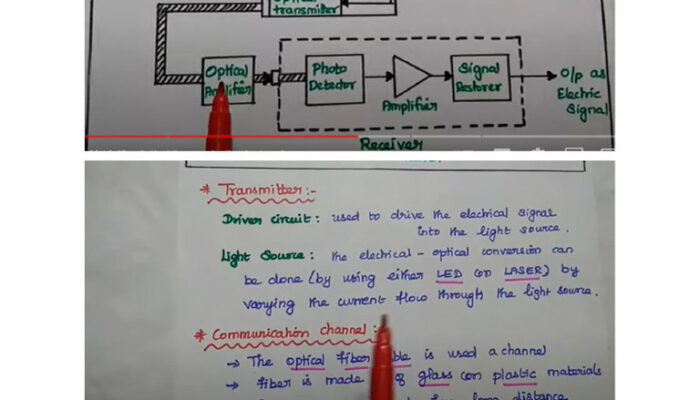
Fiber optic cables transmit audio signals by converting electrical audio data into light pulses, which travel through the fiber core. This method eliminates electrical interference and signal loss common in copper cables. The light signals are then converted back into electrical signals at the receiving end, preserving the integrity and quality of the original audio.
Technical Overview and Formula
While fiber optics primarily rely on the principles of light transmission, the quality of audio transmission can be analyzed through signal-to-noise ratio (SNR) and bandwidth capacity:
- Signal-to-Noise Ratio (SNR):
SNR = 10 log10 (P_signal / P_noise), where P_signal is the power of the audio signal and P_noise is the power of background noise. Fiber optics improve SNR by minimizing noise interference. - Bandwidth:
Bandwidth (Hz) determines the range of frequencies that can be transmitted. Fiber optics offer significantly higher bandwidth than copper cables, supporting high-fidelity audio formats.
Practical Applications of Fiber Optics in Audio
Fiber optic technology is widely used in various audio scenarios:
- Live Concerts and Events:
Long-distance, interference-free audio transmission ensures clear sound across large venues. - Recording Studios:
EMI immunity preserves audio purity during multi-track recording and mixing. - Broadcasting:
Secure and reliable transmission of high-quality audio signals for radio and television. - Home Theater Systems:
Integration of fiber optics enables immersive surround sound and high-resolution audio playback.
Common Misunderstandings About Fiber Optic Audio Transmission
- Misconception: Fiber optics are too fragile for practical use.
Correction: Modern fiber optic cables are designed with protective coatings and robust materials, making them durable and suitable for various environments. - Misconception: Fiber optic systems are prohibitively expensive.
Correction: While initial costs may be higher, the long-term savings from reduced maintenance and superior performance often justify the investment. - Misconception: Fiber optics only work with digital audio.
Correction: Fiber optic systems can interface with both analog and digital audio equipment through appropriate converters and protocols.
Significance of Fiber Optics in Modern Audio Technology
The adoption of fiber optic technology in audio transmission is pivotal for advancing sound quality, reliability, and security. It supports the growing demand for high-definition and immersive audio experiences while offering scalable solutions for future innovations. By overcoming the limitations of traditional copper wiring, fiber optics enable audio professionals and enthusiasts to achieve unprecedented levels of performance and creativity.
FAQ
What are the main advantages of using fiber optics for audio?
The main advantages include exceptional audio fidelity, resistance to electromagnetic interference, extended transmission range, enhanced security, and long-term cost-effectiveness.
Are fiber optics suitable for both digital and analog audio?
Yes, fiber optic systems can interface with both digital and analog audio equipment through appropriate converters and protocols.






Leave a Reply