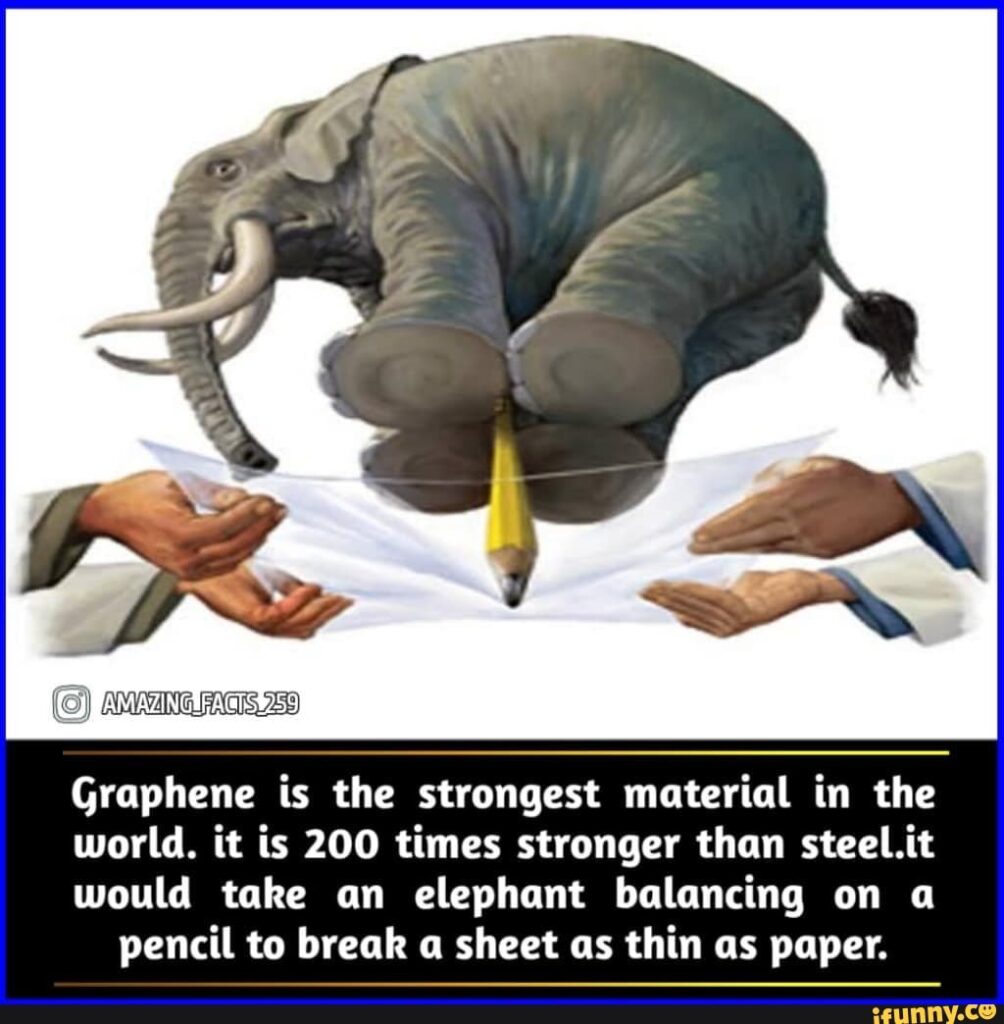
Which are some of the applications of graphene?

Definition of Graphene Graphene is a single layer of carbon atoms tightly packed into a two-dimensional honeycomb lattice. This atom-thin material has attracted immense attention due to its exceptional physical and chemical properties. Its unique structure endows it with extraordinary electrical conductivity, superior mechanical strength, and excellent thermal conductivity, making it a revolutionary substance across […]
Read More →

What are some surprising applications of topology?

Understanding Topology Topology, frequently referred to as “rubber-sheet geometry,” is a branch of mathematics focused on the properties of space and shapes that remain unchanged under continuous deformations such as stretching or bending, without tearing or gluing. While it originated as a purely theoretical discipline, topology’s principles have found extensive applications across numerous scientific and […]

Read More →

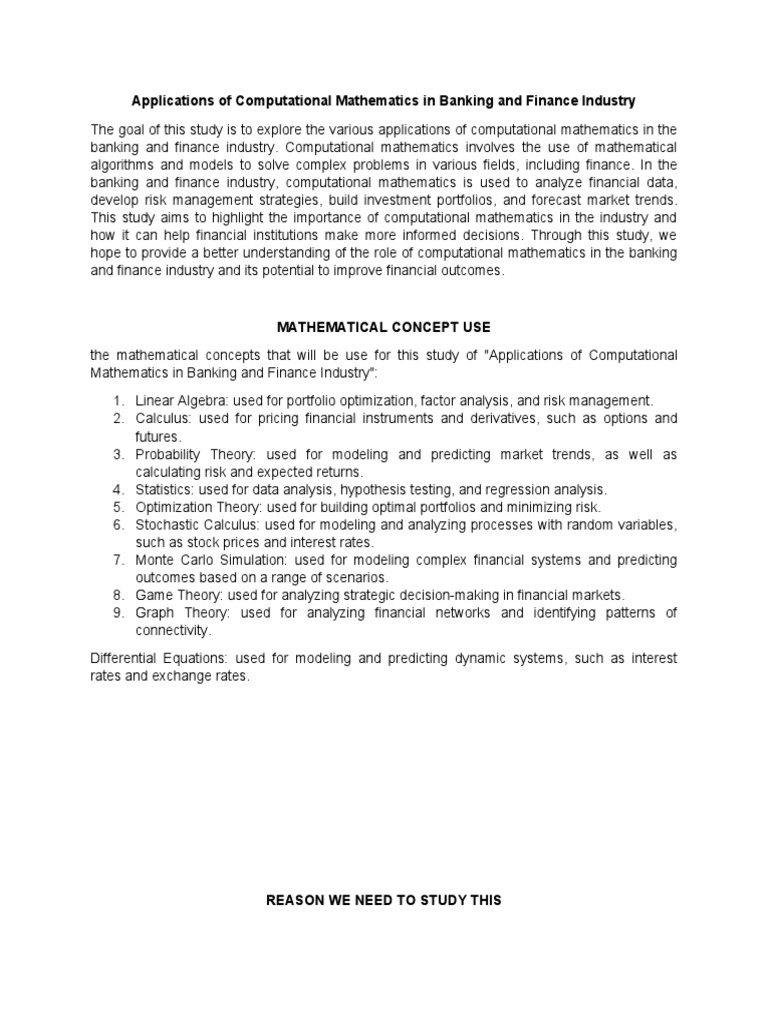
What are the applications of computational mathematics?

Definition of Computational Mathematics Computational mathematics is a scientific discipline that integrates mathematical theories with computational techniques to solve complex problems across various domains. It serves as a foundational toolset that enables the analysis, modeling, and simulation of phenomena that are otherwise difficult to address through purely analytical methods. Mathematical Theory: The abstract principles and […]

Read More →

What is a laser used for the most?

Definition of Lasers Lasers, an acronym for Light Amplification by Stimulated Emission of Radiation, are devices that emit highly focused beams of coherent light. Initially developed for scientific exploration, lasers have evolved into versatile instruments integral to numerous fields. Their unique ability to produce intense, precise light beams underpins a wide array of applications, reflecting […]

Read More →

What mathematical models affect our lives daily?

Definition of Mathematical Models Mathematical models are structured representations that use mathematical language and concepts to describe, analyze, and predict real-world phenomena. Far beyond simple abstractions, these models provide a framework for understanding complex systems by translating physical, biological, social, or economic processes into quantifiable terms. They serve as essential tools across numerous disciplines, enabling […]

Read More →

What can we use quantum computing to build?

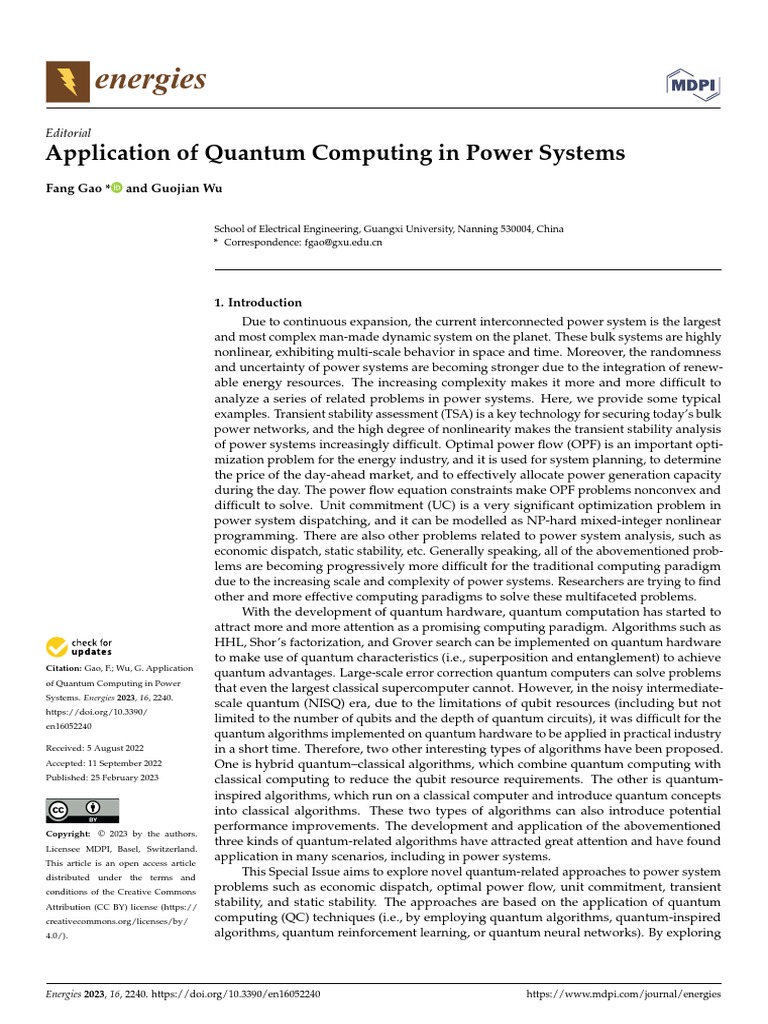
Definition of Quantum Computing Quantum computing represents a groundbreaking paradigm in computational technology, leveraging the principles of quantum mechanics to perform calculations far beyond the reach of classical computers. It harnesses phenomena such as superposition, entanglement, and quantum interference to process information in fundamentally new ways, opening avenues for solving complex problems across various scientific […]

Read More →

What are the applications of instrumentation engineering?

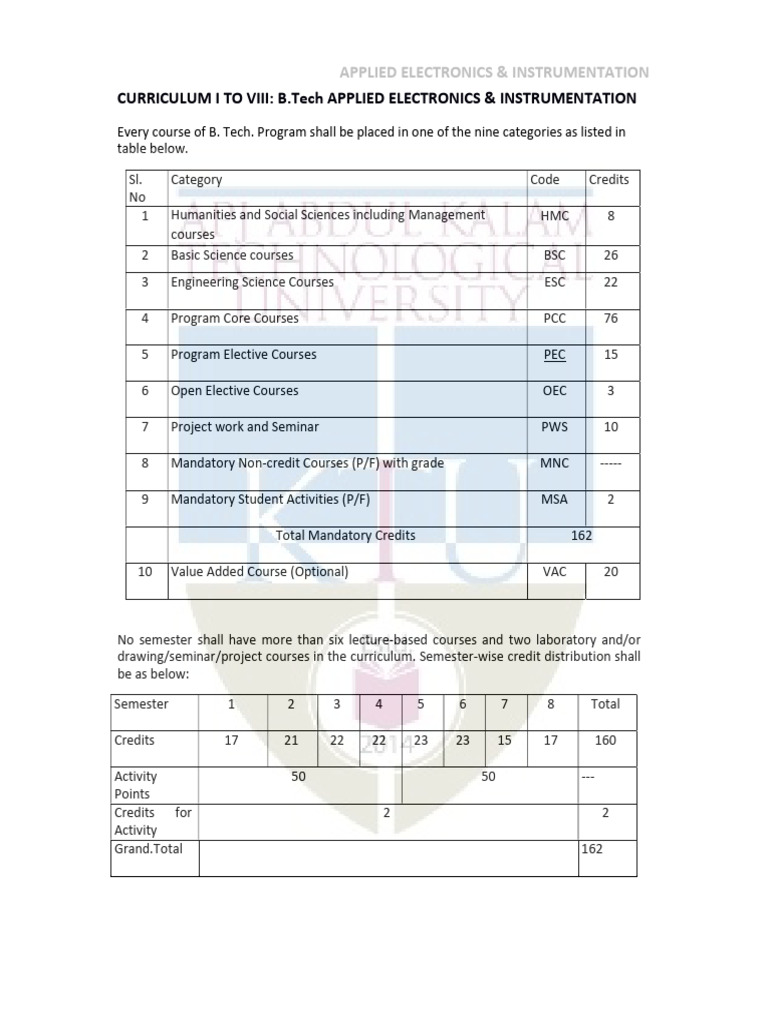
Definition of Instrumentation Engineering Instrumentation engineering is a specialized branch of engineering focused on the design, development, installation, and maintenance of instruments used to measure, monitor, and control physical variables. These variables include temperature, pressure, flow, level, and other critical parameters essential for the operation of various systems. The discipline integrates principles from electronics, mechanics, […]

Read More →

What is graphene useful for?

Understanding Graphene: Definition and Structure Graphene is an extraordinary form of carbon consisting of a single atomic layer arranged in a two-dimensional hexagonal lattice. This unique atomic configuration endows graphene with a suite of remarkable physical and chemical properties that have captivated researchers across multiple scientific disciplines, including materials science, electronics, and environmental technology. Atomic […]

Read More →

What are the applications of quantum computers?

Understanding Quantum Computing Quantum computing represents a groundbreaking shift in computational science, leveraging the principles of quantum mechanics to perform calculations far beyond the reach of classical computers. Unlike traditional bits that exist strictly as 0s or 1s, quantum bits, or qubits, can inhabit multiple states simultaneously through a phenomenon known as superposition. This, combined […]

Read More →