
Short Answer
Definition of Antifreeze Proteins
Antifreeze proteins (AFPs) are specialized biopolymers produced by certain organisms that inhabit extremely cold environments, such as polar regions. These proteins enable survival by preventing the formation and growth of ice crystals within the cells and bodily fluids of these organisms, thereby protecting them from freezing damage. AFPs are found in a variety of life forms including fish, insects, and some plants, each adapted to withstand subzero temperatures.
Structural Characteristics of Antifreeze Proteins
AFPs exhibit a wide range of structural forms, which are classified based on their amino acid sequences and three-dimensional shapes. Among the most extensively studied are the fish type I and type II AFPs, which possess compact, globular conformations. High-resolution techniques such as X-ray crystallography have revealed the atomic-level details of these proteins, highlighting how their unique structures facilitate binding to ice crystals. This structural insight is crucial for understanding how AFPs inhibit ice recrystallization, a process that would otherwise be detrimental to cold-adapted organisms.
Types and Structural Diversity
- Fish Type I AFPs:
Characterized by a simple, alpha-helical structure that allows tight binding to ice surfaces. - Fish Type II AFPs:
Possess a more complex, globular fold stabilized by disulfide bonds, enhancing their ice-binding efficiency. - Insect AFPs:
Often contain extended and flexible regions that improve their antifreeze activity during harsh winters.
Mechanism of Action
The antifreeze activity of AFPs is primarily driven by two interconnected processes: adsorption inhibition and thermal hysteresis. AFPs attach themselves to the surface of nascent ice crystals through specific interactions such as hydrogen bonding and hydrophobic contacts. This binding halts the growth of ice crystals by creating a physical barrier, thereby preventing ice expansion within tissues.
Thermal Hysteresis Explained
Thermal hysteresis refers to the difference between the melting point and the freezing point of a solution containing AFPs. By lowering the freezing point without affecting the melting point, AFPs create a temperature gap that protects organisms from freezing even when environmental temperatures drop below the normal freezing threshold. This unique property is vital for survival in icy habitats.
Evolutionary Significance and Adaptation
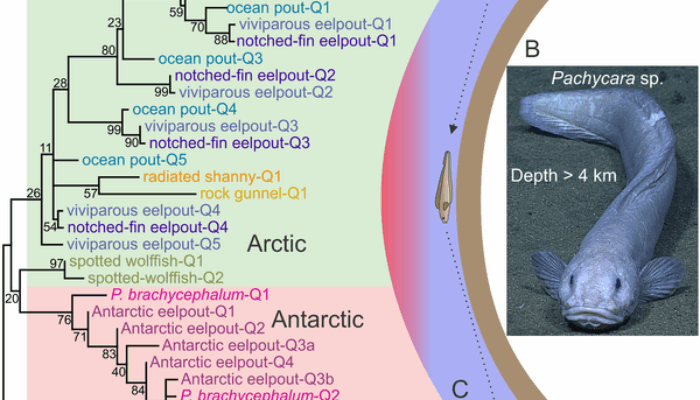
The presence of AFPs across diverse species exemplifies convergent evolution, where unrelated organisms independently develop similar molecular solutions to cope with freezing environments. This evolutionary phenomenon underscores the adaptive value of AFPs and highlights the molecular innovation that has arisen in response to climatic challenges.
Structural Evolution Across Species
Comparative studies reveal that AFPs have evolved distinct structural features tailored to the specific ecological niches of their host organisms. For example, insect AFPs often have flexible domains that enhance their antifreeze capabilities, reflecting adaptation to particularly severe cold conditions. These variations illustrate the dynamic evolutionary landscape shaping AFP function.
Advances in Research Techniques
Recent technological progress, including cryo-electron microscopy, has revolutionized the study of AFPs by enabling visualization of protein dynamics and interactions in near-native states. These cutting-edge methods provide deeper insights into the molecular mechanisms of ice inhibition and open new pathways for biotechnological applications.
Applications and Importance
Understanding AFPs extends beyond biological interest, offering promising applications in medicine, agriculture, and industry. Their ability to control ice formation is harnessed in cryopreservation to improve the survival of cells, tissues, and organs during freezing. Additionally, AFPs have potential uses in food preservation, frost-resistant crops, and anti-icing materials, demonstrating their broad relevance.
Common Misconceptions About Antifreeze Proteins
AFPs lower the overall body temperature of organisms.
AFPs do not reduce body temperature; instead, they lower the freezing point of bodily fluids without affecting the melting point, creating thermal hysteresis.
All AFPs have the same structure and function.
AFPs vary widely in structure and ice-binding mechanisms, adapted to the specific needs of different species and environments.
Summary: The Significance of Antifreeze Proteins
Antifreeze proteins represent a remarkable natural adaptation that enables life to persist in some of the coldest environments on Earth. Their unique structural features and mechanisms of action provide critical protection against ice damage, illustrating the intricate relationship between molecular design and environmental survival. Continued research into AFPs not only enriches our understanding of evolutionary biology but also drives innovation in various scientific and industrial fields, highlighting their enduring importance.
FAQ
What are antifreeze proteins?
Antifreeze proteins are specialized proteins that prevent ice formation in organisms living in extremely cold environments.
How do antifreeze proteins work?
They bind to ice crystals, inhibiting their growth and creating thermal hysteresis.
What are the applications of antifreeze proteins?
They are used in cryopreservation, agriculture for frost-resistant crops, and food preservation.




Leave a Reply