
Short Answer
Overview of Nuclear Fallout in the Nevada Desert
The Nevada desert, characterized by its expansive dry terrain and unique geological features, has played a significant role in the history of nuclear testing during the 20th century. Investigating whether nuclear fallout persists in this region requires a comprehensive examination of the nuclear testing legacy, the characteristics of radioactive fallout, environmental consequences, and current evaluations of radiological safety.
Historical Context of Nuclear Testing in Nevada
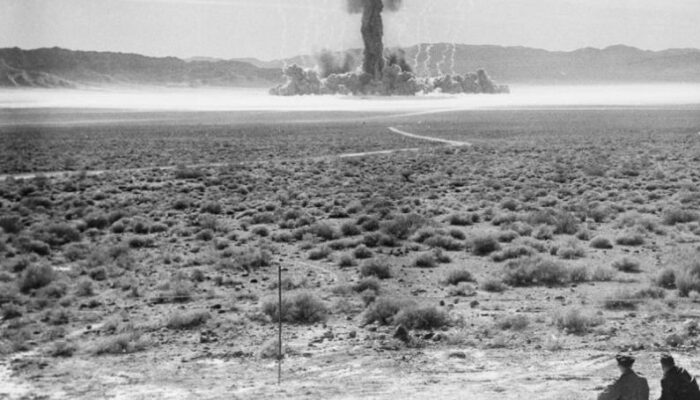
Between 1945 and 1992, the United States executed over 1,000 nuclear detonations, many of which took place at the Nevada Test Site, a location specifically designated for nuclear experimentation. These tests included both atmospheric explosions, which dispersed radioactive materials into the air, and underground detonations intended to confine radioactive substances. Despite efforts to contain fallout, questions about the effectiveness of these measures have persisted, raising concerns about lingering contamination in the area.
Understanding Nuclear Fallout
Nuclear fallout refers to the radioactive particles released into the atmosphere following a nuclear explosion. These particles differ in size and composition:
- Heavy particles:
These tend to settle quickly near the blast site. - Lighter particles:
Capable of traveling long distances before deposition.
Key radioactive isotopes of concern include cesium-137, strontium-90, and iodine-131, each with unique half-lives and health effects. For instance, cesium-137 has a half-life of about 30 years, indicating that its radioactive presence can persist for decades, potentially impacting both ecosystems and human health in the Nevada desert.
Environmental Dispersion and Impact of Fallout
The distribution and environmental impact of nuclear fallout are influenced by several natural factors such as wind currents, rainfall, and the region’s topography. Research has revealed that certain areas within the Nevada desert still exhibit elevated radiation levels. Soil analyses have detected radionuclides, prompting debate over whether these findings represent enduring contamination or temporary residues from past nuclear activities.
Bioavailability and Health Implications
Not all radioactive isotopes pose the same level of risk. The bioavailability, or the extent to which these isotopes can be absorbed by living organisms, depends on environmental conditions like soil chemistry and local vegetation. The health consequences for populations living near the test sites remain a critical concern. Epidemiological investigations have attempted to correlate radiation exposure with increased cancer incidence, but results have been inconsistent, complicating the understanding of long-term health effects.
Modern Radiological Monitoring and Safety Assessments
In recent decades, scientific and regulatory bodies have intensified efforts to evaluate the nuclear testing aftermath. Advanced radiological monitoring techniques, including ground surveys and aerial gamma spectrometry, provide detailed data on radiation levels and contamination patterns across the Nevada desert. These technologies enable a more precise assessment of both surface and subsurface radioactive materials.
Remediation Efforts and Environmental Management
The U.S. Department of Energy (DOE) has implemented extensive cleanup operations targeting areas with significant radioactive contamination. Remediation strategies often involve removing contaminated soil for secure disposal and applying bioremediation methods that utilize living organisms to degrade hazardous substances. These efforts require a delicate balance between protecting ecological systems and ensuring human safety.
Cultural and Social Dimensions of Nuclear Testing Legacy
The legacy of nuclear testing in Nevada extends beyond environmental concerns to encompass cultural and historical impacts. Local communities near the Nevada Test Site have expressed worries about environmental degradation and the loss of cultural heritage. Activism and protests against ongoing nuclear activities have underscored the need for environmental justice and sustained stewardship of the region’s natural resources. This social movement highlights the importance of integrating historical awareness into current environmental and nuclear policy discussions.
Educational Outreach and Public Awareness
Educational programs play a vital role in raising awareness about nuclear fallout and radiation safety. Environmental health organizations promote public information campaigns to educate residents about potential risks and safety precautions. Through workshops, lectures, and community forums, these initiatives encourage public participation in monitoring radiation and foster informed dialogue on nuclear legacy issues.
Conclusion: The Continuing Relevance of Nuclear Fallout in Nevada
The question of whether nuclear fallout remains in the Nevada desert involves a complex interplay of historical, environmental, health, and social factors. While radioactive remnants from past nuclear tests are still detectable in certain locations, ongoing scientific assessments and remediation efforts aim to mitigate these risks. As knowledge about radiation effects advances, it is essential for society to acknowledge the consequences of nuclear testing and commit to protecting both public health and environmental integrity in the region.
FAQ
What is nuclear fallout?
Nuclear fallout consists of radioactive particles released into the atmosphere following a nuclear explosion, which settle back to Earth over time.
Why was the Nevada desert chosen for nuclear testing?
Its remote location and vast, sparsely populated areas made the Nevada desert an ideal site for conducting nuclear tests while minimizing immediate human exposure.
Are there any health concerns related to nuclear fallout in the Nevada desert today?
While some areas show elevated radiation levels, extensive monitoring suggests that risks are largely localized and managed to ensure public safety.
What environmental factors affect nuclear fallout dispersion in the Nevada desert?
Wind patterns, precipitation, and terrain features influence how radioactive particles spread and settle in the environment.






Leave a Reply