
Short Answer
Definition of Nuclear Physics
Nuclear physics is a branch of science dedicated to studying the components and behavior of atomic nuclei. It delves into the fundamental particles that constitute matter and the forces that govern their interactions. This field seeks to uncover the principles underlying nuclear reactions, radiation, and the structure of atoms, providing insights into the very fabric of the universe.
Core Intellectual Demands
Majoring in nuclear physics requires a strong proficiency in mathematics, chemistry, and classical physics. The academic journey challenges students to master complex subjects such as quantum mechanics, nuclear radiation, and particle interactions. This rigorous curriculum fosters critical thinking and problem-solving skills, demanding a deep commitment to understanding abstract scientific concepts and applying them practically.
- Mathematical Foundation:
Essential for modeling nuclear phenomena and solving equations related to particle behavior. - Physics Principles:
Understanding classical and quantum mechanics is crucial for grasping nuclear interactions. - Chemistry Knowledge:
Important for comprehending atomic structure and radioactive decay processes.
Exploring the Mysteries of Matter
Students of nuclear physics engage with profound questions about the nature of energy and matter. They investigate how subatomic particles interact and the forces that bind them within the nucleus. This exploration is not passive; learners actively contribute to ongoing scientific discussions that have shaped technologies ranging from nuclear energy to medical imaging.
Career Opportunities and Applications
A degree in nuclear physics opens diverse professional pathways across academia, industry, and healthcare. Graduates may pursue research roles, advancing theoretical knowledge and experimental techniques. Alternatively, they can apply their expertise in sectors such as energy production, nuclear safety, and medical technology development.
- Academic Research:
Conducting experiments and developing new theories in universities and research institutions. - Energy Sector:
Working on nuclear power generation and improving reactor safety and efficiency. - Medical Field:
Innovating diagnostic tools and treatments using radioactive isotopes and nuclear imaging.
Impact on Society and Global Challenges
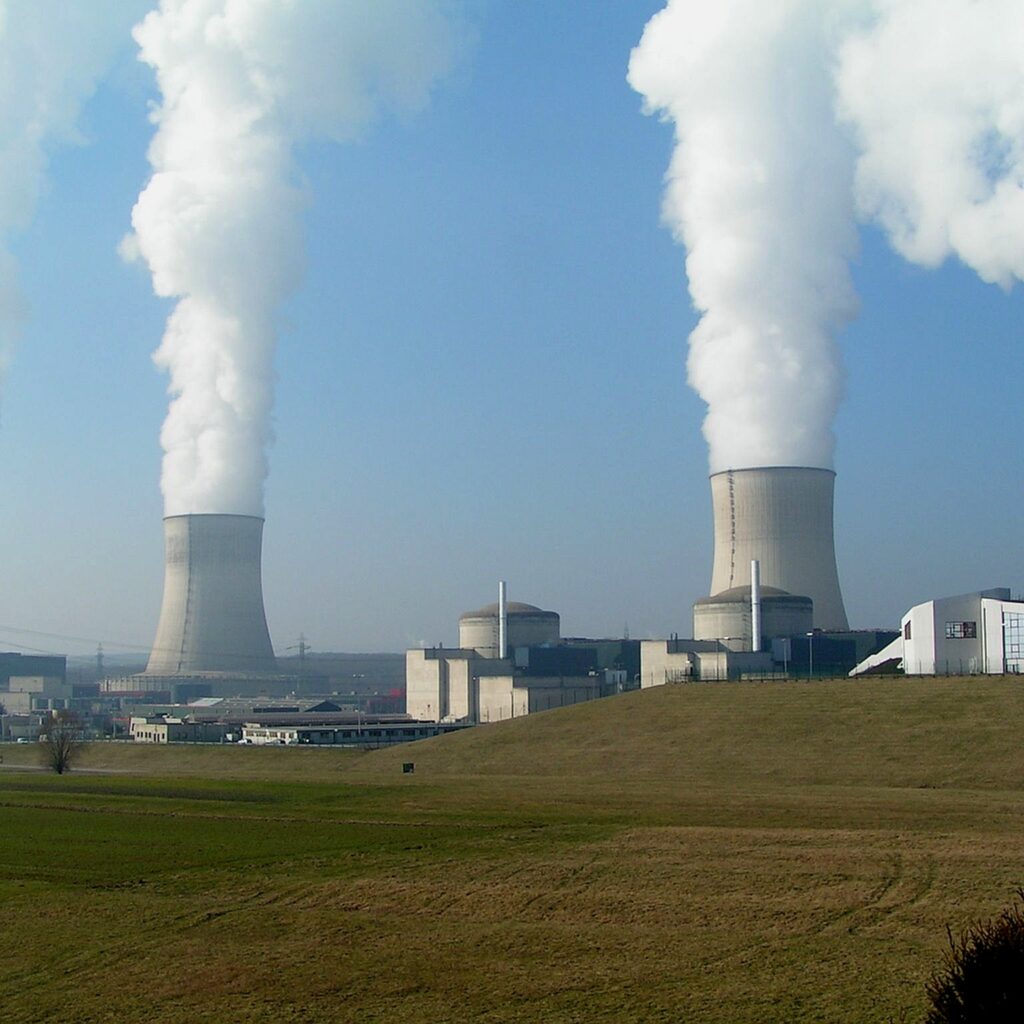
Nuclear physics plays a pivotal role in addressing worldwide issues like sustainable energy and environmental protection. As the demand for low-carbon energy sources grows, nuclear power offers a viable alternative to fossil fuels. Knowledge of nuclear fission and fusion processes equips graduates to participate in shaping energy policies and advancing cleaner technologies.
However, the field also involves navigating concerns about safety and ecological effects. Historical nuclear incidents highlight the necessity for stringent scientific standards and ethical responsibility. Nuclear physicists are uniquely positioned to promote innovations that reduce risks and enhance the safety of nuclear applications.
Community and Professional Development
Choosing nuclear physics fosters entry into a dynamic network of scientists and professionals. Engagement in conferences, workshops, and collaborative projects encourages the exchange of ideas and keeps students abreast of cutting-edge developments. This community support is vital for career growth and continuous learning.
Why Pursue Nuclear Physics?
Studying nuclear physics offers a blend of intellectual challenge and meaningful impact. It provides a platform to contribute to critical advancements in medicine, energy, and technology. For those fascinated by the fundamental workings of the universe, this major represents a gateway to discovery and innovation.
Common Misconceptions About Nuclear Physics
Nuclear physics is only about building weapons.
While nuclear physics has applications in defense, it also underpins peaceful technologies like medical imaging and clean energy.
The field is too difficult and inaccessible.
Although challenging, with dedication and proper preparation, students can succeed and thrive in nuclear physics.
Summary
Nuclear physics is a profound scientific discipline that invites students to explore the core of matter and energy. It demands intellectual rigor but rewards with diverse career options and the chance to influence vital sectors such as healthcare and sustainable energy. For those willing to embrace its challenges, nuclear physics offers a unique journey into the heart of the universe’s mysteries and the opportunity to make a lasting societal impact.
FAQ
Is nuclear physics a challenging major?
Yes, it requires strong analytical skills and a deep understanding of complex physical concepts.
What industries employ nuclear physics graduates?
Industries such as energy production, healthcare, research institutions, and nuclear safety organizations employ graduates.
Can nuclear physics contribute to renewable energy?
Yes, nuclear physics knowledge supports the development of safer and cleaner nuclear energy alternatives.
What is the community like for nuclear physics students?
Students join a vibrant community of scholars with opportunities for collaboration through conferences and seminars.






Leave a Reply