

Short Answer
Definition
Applying the principles of physics to smartphone usage involves analyzing and optimizing the device’s performance through a scientific lens. This approach transforms everyday interactions with mobile phones into deliberate, efficient, and innovative practices by leveraging fundamental scientific concepts.
- Physics and Technology Intersection:
Utilizing scientific theories and methods to enhance the functionality and user experience of smartphones. - Scientific Mindset:
Approaching smartphone challenges with systematic observation, hypothesis testing, and data analysis.
Adopting a Scientific Approach to Smartphone Use
Embracing the scientific method can significantly improve how we interact with our mobile devices. This process begins with identifying specific issues-such as battery depletion or sluggish app performance-followed by formulating hypotheses about their causes. By systematically experimenting with settings like background app refresh or screen brightness, users can gather data to understand and resolve these problems effectively. Documenting these findings mirrors empirical research, fostering a deeper comprehension of the device’s behavior.
Energy Management and Battery Efficiency
At the core of smartphone operation lies the principle of energy conservation, a fundamental concept in physics stating that energy cannot be created or destroyed but only transformed. Smartphones convert stored chemical energy in batteries into electrical energy to power various components. Power-saving modes function similarly to thermodynamic state changes, reducing energy consumption by limiting certain processes. By analyzing how factors such as screen brightness, app activity, and connectivity settings influence energy use, users can strategically extend battery life.
Enhancing Connectivity Through Electromagnetic Wave Principles
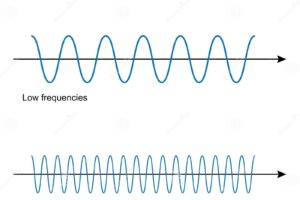
Smartphone communication relies on electromagnetic waves transmitted via Wi-Fi, Bluetooth, and cellular networks. Understanding wave properties-such as frequency, wavelength, and interference-can help optimize signal strength and data transmission quality. For example, positioning a phone to minimize obstacles and interference can improve connectivity, akin to managing wave propagation in controlled environments. This knowledge enables users to reduce latency and maintain stable connections.
User Interface Optimization and Information Theory
The design and navigation of smartphone interfaces can be examined through concepts from statistical mechanics and information theory. Minimizing entropy, or disorder, in app organization and user pathways leads to a more intuitive and efficient experience. Grouping frequently used applications into categorized folders reduces cognitive load and streamlines access, much like organizing particles in a system to achieve equilibrium. This approach enhances usability and productivity.
Leveraging Data Analytics for Usage Insights
Modern smartphones collect extensive data on user behavior, which can be analyzed using scientific data analysis techniques. By examining patterns such as peak app usage times and frequency, users can identify habits and optimize their routines. This data-driven strategy supports productivity enhancement and distraction reduction, paralleling the analytical methods employed in scientific research to uncover trends and inform decisions.
Expanding Functionality with External Accessories
Integrating external devices like portable chargers, camera lenses, and audio equipment can significantly broaden a smartphone’s capabilities. Viewing these accessories through a physics perspective involves understanding the interactions between components, similar to studying particle interactions in physics. This holistic view allows users to maximize their device’s potential by effectively combining internal and external technologies.
Continuous Learning and Technological Adaptation
The field of physics is characterized by ongoing discovery and adaptation, a mindset equally valuable for smartphone users. Regular software updates and technological advancements require users to stay informed and adjust their usage accordingly. Engaging with educational resources, online communities, and tutorials fosters this continuous learning process, ensuring users can fully exploit new features and maintain optimal device performance.
Why Applying Physics to Smartphones Matters
Integrating physics principles into smartphone use enhances efficiency, extends device longevity, and deepens user understanding of complex technology. This scientific approach promotes informed decision-making and innovation, transforming routine interactions into purposeful engagements. In an era dominated by digital devices, such knowledge empowers users to harness technology’s full potential, improving both productivity and user satisfaction.
Common Misconceptions
Battery life is solely dependent on hardware capacity.
Software settings and usage patterns significantly influence battery longevity through energy consumption management.
Signal strength is only affected by distance from the router.
Physical obstacles, interference, and device positioning also play crucial roles in connectivity quality.
Organizing apps is purely aesthetic.
Strategic app organization reduces cognitive load and improves navigation efficiency.
Real-World Applications
Consider a user experiencing rapid battery drain. By applying the scientific method, they might hypothesize that background apps are the cause. Testing this by disabling background refresh and monitoring battery performance can confirm the hypothesis, leading to optimized settings. Similarly, adjusting phone placement to reduce Wi-Fi interference can enhance streaming quality. Photographers using attachable lenses expand their smartphone’s capabilities, demonstrating the practical benefits of integrating physics-based understanding with technology.
FAQ
How can I improve my smartphone's battery life?
By adjusting settings like screen brightness, disabling background app refresh, and using power-saving modes.
What role does physics play in smartphone connectivity?
Understanding electromagnetic waves can help optimize signal strength and data transmission.
How can I make my smartphone usage more efficient?
Organizing apps strategically and analyzing usage data can enhance productivity and reduce distractions.





Leave a Reply