
Short Answer
Definition of Chorus Waves and Cosmic Hiss
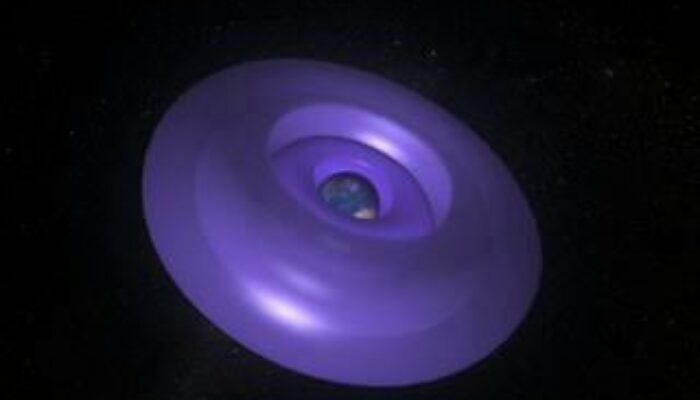
Chorus waves are a type of plasma wave phenomenon occurring in space, characterized by a distinctive “hissing” sound that permeates the near-Earth environment and beyond. These waves are electromagnetic emissions generated by interactions between charged particles and magnetic fields in planetary magnetospheres, particularly within Earth’s ionosphere and magnetosphere. The term “cosmic hiss” refers to the audible manifestation of these waves when converted into sound frequencies, revealing an otherwise silent universe filled with dynamic plasma activity.
- Chorus Waves:
Electromagnetic plasma waves produced by energetic particles interacting with magnetic fields in space. - Cosmic Hiss:
The audible representation of chorus waves, often described as a mysterious “hissing” sound in space. - CHORUS Satellite:
A specialized spacecraft equipped to detect and analyze these plasma waves, providing critical data on their properties and origins.
Origins and Mechanisms Behind Chorus Waves
Chorus waves arise from the complex interplay between charged particles-primarily electrons and protons-and the magnetic fields enveloping planets. Solar wind streams energize these particles, causing them to spiral along magnetic field lines. As these particles interact, they emit electromagnetic waves across a broad frequency spectrum. These emissions, when processed, produce the characteristic hiss that scientists detect. This process is a fundamental aspect of space plasma physics and is closely linked to the behavior of space weather phenomena.
Role of Solar Wind and Magnetospheric Dynamics
The solar wind, a continuous flow of charged particles from the Sun, injects energy into Earth’s magnetosphere, triggering disturbances that generate chorus waves. These waves propagate through the magnetosphere, influencing the distribution and acceleration of particles. The dynamic environment created by solar storms and geomagnetic activity modulates the intensity and frequency of chorus emissions, making them valuable indicators of space weather conditions.
Technological Innovations Enabling Chorus Wave Detection
The CHORUS satellite represents a pinnacle of technological advancement in space plasma research. Equipped with highly sensitive sensors, it isolates relevant electromagnetic frequencies from the vast cosmic noise. Utilizing advanced signal processing techniques such as Fourier transforms, the satellite converts raw plasma wave data into audible sound waves. This transformation allows researchers to “listen” to space, unveiling patterns and rhythms previously inaccessible through visual observation alone.
Signal Processing and Data Interpretation
By applying sophisticated algorithms, scientists filter and analyze the chorus wave signals to extract meaningful information. This process not only aids in scientific discovery but also serves educational purposes, making the enigmatic sounds of space accessible and engaging to a broader audience.
Scientific Significance and Applications
Understanding chorus waves is crucial for advancing knowledge in magnetohydrodynamics-the study of plasma behavior in magnetic fields. These waves provide insights into plasma turbulence, wave propagation, and energy transfer mechanisms within planetary magnetospheres. Moreover, chorus waves act as natural probes of space weather, offering predictive capabilities for solar storm impacts on satellite communications, navigation systems, and other technological infrastructures on Earth.
Implications for Space Weather Forecasting
Chorus waves serve as early indicators of geomagnetic disturbances caused by solar activity. Monitoring these waves enhances the accuracy of space weather models, helping to mitigate risks associated with solar storms that can disrupt critical technological systems.
Chorus Waves and the Intersection of Science and Art
The harmonic structures found within chorus waves have inspired both scientific inquiry and artistic expression. The rhythmic and melodic qualities of these cosmic sounds resonate with human perception of music, fostering a unique fusion between astrophysics and the arts. This interdisciplinary connection encourages creative interpretations and compositions that reflect the universe’s elusive auditory landscape.
Common Misconceptions About Chorus Waves
Space is completely silent.
While space lacks a medium for sound transmission as on Earth, electromagnetic waves like chorus waves can be converted into audible sounds, revealing a rich acoustic environment.
Chorus waves are random noise.
Chorus waves exhibit structured patterns and frequencies linked to specific plasma processes, making them meaningful signals rather than mere noise.
Philosophical and Cultural Reflections
The discovery and study of chorus waves invite profound contemplation about humanity’s place in the cosmos. These sounds symbolize the vast, interconnected nature of the universe and our ongoing quest to decode its mysteries. They remind us of the limits of human perception and the boundless potential for exploration and understanding. By bridging scientific discovery with cultural and artistic narratives, chorus waves enrich our collective experience and inspire curiosity across disciplines.
Future Directions and Collaborative Opportunities
The ongoing analysis of chorus wave data promises to deepen our grasp of magnetospheric physics and space weather phenomena. This field encourages collaboration among physicists, engineers, artists, and educators to expand both scientific knowledge and public engagement. The cosmic hiss beckons a multidisciplinary approach, fostering innovation and broadening the impact of space exploration on society.
Summary and Conclusion
The CHORUS satellite’s pioneering work in capturing and interpreting the cosmic hiss has transformed our understanding of the dynamic interactions between solar activity, planetary magnetic fields, and plasma waves. These subtle yet profound sounds reveal the universe’s symphonic complexity, where electromagnetic frequencies intertwine to create an intricate auditory tapestry. As research progresses, chorus waves will continue to illuminate the physical processes shaping space environments and inspire a deeper appreciation of the cosmos’ wonders.
FAQ
What are chorus waves?
Chorus waves are electromagnetic emissions produced by interactions between charged particles and magnetic fields in space, creating a characteristic hissing sound.
How does the CHORUS satellite detect these waves?
The CHORUS satellite is equipped with sensitive sensors that isolate electromagnetic frequencies and convert them into audible sound waves.
Leave a Reply