
Short Answer
Overview of the Dirac Prize for Field Theorists
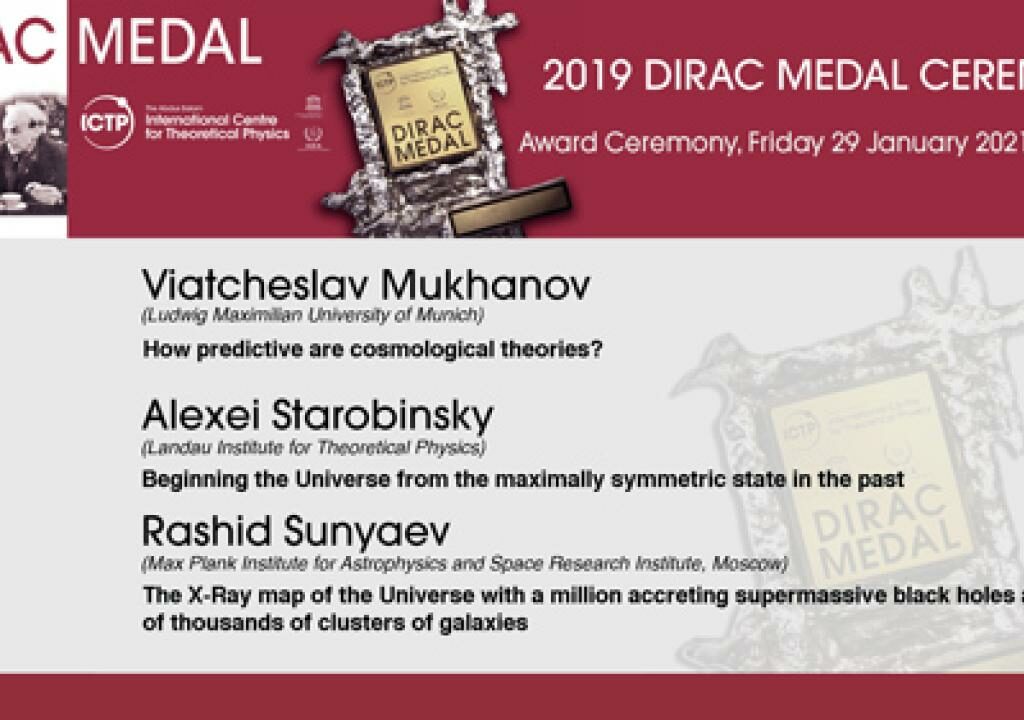
The Dirac Prize for Field Theorists is a prestigious honor within the sphere of theoretical physics, commemorating the legacy of Paul Dirac, a pioneering physicist renowned for his foundational work in quantum mechanics and quantum field theory. This award transcends simple recognition of individual accomplishments; it embodies a dedication to promoting innovation, intellectual excellence, and groundbreaking research in the field of theoretical physics, particularly in field theory.
Understanding Field Theory in Modern Physics
Field theory forms a cornerstone of contemporary theoretical physics, providing a comprehensive framework to describe the fundamental forces and interactions among elementary particles. These theories underpin the Standard Model of particle physics, which elegantly unifies electromagnetic, weak, and strong nuclear forces. The Dirac Prize highlights exceptional contributions that deepen our comprehension of these complex interactions and the underlying principles governing the universe.
Selection Criteria and Significance of the Award
The evaluation process for the Dirac Prize involves a multifaceted assessment of candidates’ work, focusing on originality, scientific depth, and the scope of their contributions. Beyond immediate impact, the prize considers the potential long-term influence of the research on future theoretical developments. This approach reflects the evolving and dynamic nature of field theory, recognizing work that may initially seem abstract but holds promise for revolutionary advancements in physics.
Interdisciplinary Trends in Field Theory Research
Recent trends in field theory emphasize the integration of diverse scientific disciplines. Physicists increasingly incorporate mathematical concepts, cosmological insights, and computational techniques to address complex problems. For example, advanced mathematical tools such as topology and category theory have become instrumental in refining quantum field theory, illustrating the fruitful convergence of multiple fields to tackle fundamental scientific questions.
Philosophical Dimensions and Conceptual Challenges
Field theory is not only a scientific endeavor but also engages with profound philosophical questions about the nature of reality. It confronts phenomena like non-locality, superposition, and quantum entanglement, which challenge classical intuitions and expand our understanding of the physical world. The Dirac Prize amplifies the importance of addressing these intricate concepts, celebrating researchers who approach them with both boldness and meticulous analysis.
Historical Context and Paul Dirac’s Legacy
Paul Dirac’s monumental contributions laid the groundwork for much of modern theoretical physics. The establishment of the Dirac Prize serves as both a tribute to his enduring influence and a reinforcement of his philosophy that successful physics requires a blend of creativity and rigorous logic. This historical perspective underscores the prize’s role in encouraging relentless inquiry and innovative thinking among physicists.
Practical Implications of Field Theories
While field theories are often highly abstract, their applications have led to significant technological advancements. Quantum field theory, for instance, has been fundamental in the development of semiconductors and the emerging field of quantum computing. The Dirac Prize thus recognizes not only theoretical breakthroughs but also the tangible benefits that arise when complex scientific ideas translate into real-world technologies.
Cultural and Collaborative Impact within the Scientific Community
The Dirac Prize also holds cultural importance by fostering a spirit of mentorship and collaboration among physicists. Many laureates credit their achievements to the guidance and support of mentors and colleagues, highlighting the collective nature of scientific progress. This recognition encourages emerging researchers to seek collaborative opportunities and mentorship, reinforcing the idea that advancements in physics are the product of shared knowledge and cooperative effort.
The Ceremony and Its Symbolism
The award ceremony for the Dirac Prize is more than a formal occasion; it symbolizes the scientific community’s collective dedication to expanding human understanding. It serves as a celebration of intellectual perseverance and a reaffirmation of the commitment to unraveling the complexities of nature. The event inspires attendees and the broader scientific community to continue pushing the boundaries of knowledge.
Conclusion: The Enduring Influence of the Dirac Prize
The Dirac Prize for Field Theorists epitomizes the vibrancy and progressive spirit of theoretical physics. It represents a fusion of creativity, interdisciplinary collaboration, and societal relevance, honoring those who advance the frontiers of knowledge. By recognizing these trailblazers, the prize not only pays homage to the past but also ignites inspiration for future explorations into the profound mysteries of the universe.
FAQ
What is the Dirac Prize?
The Dirac Prize is an award given to recognize outstanding contributions to the field of theoretical physics, particularly in field theory.
Who was Paul Dirac?
Paul Dirac was a pioneering physicist known for his significant contributions to quantum mechanics and quantum field theory.
What are the criteria for the Dirac Prize?
Candidates are evaluated based on the originality, scientific depth, and potential long-term impact of their contributions to field theory.


Leave a Reply