
Short Answer
Definition and Overview
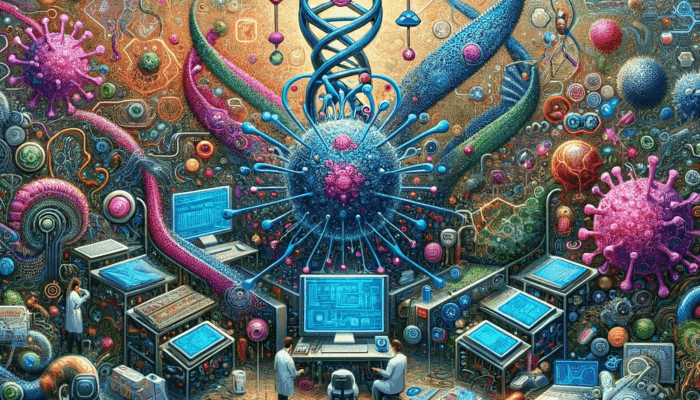
The intersection of human ingenuity and the persistent threat of biological pathogens has long captivated scientific exploration. Among the innovative tools emerging in this battle, diamonds-especially within nanotechnology and materials science-have gained prominence. This article examines the distinctive attributes of diamonds that make them valuable in combating harmful microorganisms and the diseases they cause.
Understanding Pathogens and Their Impact
Pathogens, encompassing bacteria, viruses, fungi, and parasites, have coexisted with humans since ancient times. Their influence extends beyond health, affecting societal and political landscapes. Historical outbreaks have spurred medical advancements and fueled the continuous search for novel methods to counteract these persistent biological threats.
Unique Properties of Diamonds
Diamonds, primarily composed of carbon atoms arranged in a tetrahedral lattice, are renowned not only for their beauty but also for exceptional physical characteristics:
- Hardness:
Diamonds are the hardest known natural material, providing durability in various applications. - Thermal Conductivity:
They exhibit superior heat conduction, beneficial in managing temperature-sensitive environments. - Biocompatibility:
Diamonds are compatible with biological tissues, making them suitable for medical uses.
Diamond Nanomaterials in Antimicrobial Applications
Recent advances have focused on diamond nanoparticles, which, when combined with antimicrobial agents, create synergistic effects that enhance pathogen elimination. The large surface area of these nanoparticles facilitates the attachment of antimicrobial compounds, which activate upon contact with microbes, disrupting their structure and preventing infections. This innovation paves the way for developing advanced materials capable of effectively neutralizing a broad range of pathogens.
Quantum Sensing Capabilities of Diamonds
Synthetic diamonds containing nitrogen-vacancy (NV) centers possess unique electronic properties that enable quantum sensing. These diamonds can detect minute environmental changes indicative of pathogen presence, allowing for highly sensitive biosensors. Such technology supports early infection detection, enabling timely medical responses and reducing the risk of widespread outbreaks.
Medical Device Integration and Biofouling Prevention
The biocompatibility of diamonds makes them ideal for coating medical implants and instruments. Diamond coatings can resist biofouling-the accumulation of bacterial biofilms on surfaces-which is a major challenge in clinical settings. By minimizing microbial adhesion, diamond-enhanced devices improve durability, functionality, and reduce hospital-acquired infection risks.
Challenges in Implementing Diamond Technologies
Despite promising benefits, several obstacles hinder the widespread adoption of diamond-based solutions in healthcare:
- Production Scalability:
Manufacturing diamond nanomaterials at large scale remains complex and costly. - Economic Viability:
High production costs challenge cost-effectiveness for routine medical use. - Regulatory Approval:
Navigating stringent medical regulations requires extensive testing and validation. - Public Perception:
Acceptance of nanotechnology in medicine varies, influencing adoption rates.
Ethical and Environmental Considerations
The deployment of diamond-based technologies against pathogens raises important ethical questions. The integration of natural materials with advanced technology must be carefully managed to avoid unintended ecological consequences, such as promoting antibiotic resistance or disrupting microbial ecosystems. Responsible innovation demands thorough evaluation of how diamonds interact with biological systems to ensure sustainable and safe applications in public health.
Significance and Future Prospects
Diamonds symbolize more than their physical properties; they represent humanity’s relentless effort to overcome invisible biological threats. Their role at the crossroads of material science, biology, and quantum physics highlights the multidisciplinary nature of modern scientific progress. As pathogens evolve, diamond-based technologies offer a promising frontier for enhancing infection control and advancing healthcare solutions.
Conclusion
The exploration of diamonds as tools against biological threats underscores their unique qualities and broader implications. With ongoing research, these materials could revolutionize pathogen management by combining innovation with practical application. Understanding the synergy between advanced materials and infectious disease control not only strengthens our defense against current health challenges but also charts a course toward a safer, healthier future.
FAQ
What are the unique properties of diamonds?
Diamonds are known for their hardness, thermal conductivity, and biocompatibility, making them valuable in various applications.
How do diamonds help in combating pathogens?
Diamonds can be used in nanotechnology and medical devices to enhance pathogen elimination and improve infection control.
What are the challenges of using diamond technologies in healthcare?
Challenges include high production costs, regulatory hurdles, and public perception of nanotechnology.





Leave a Reply