What is the difference between atoms and qubits?

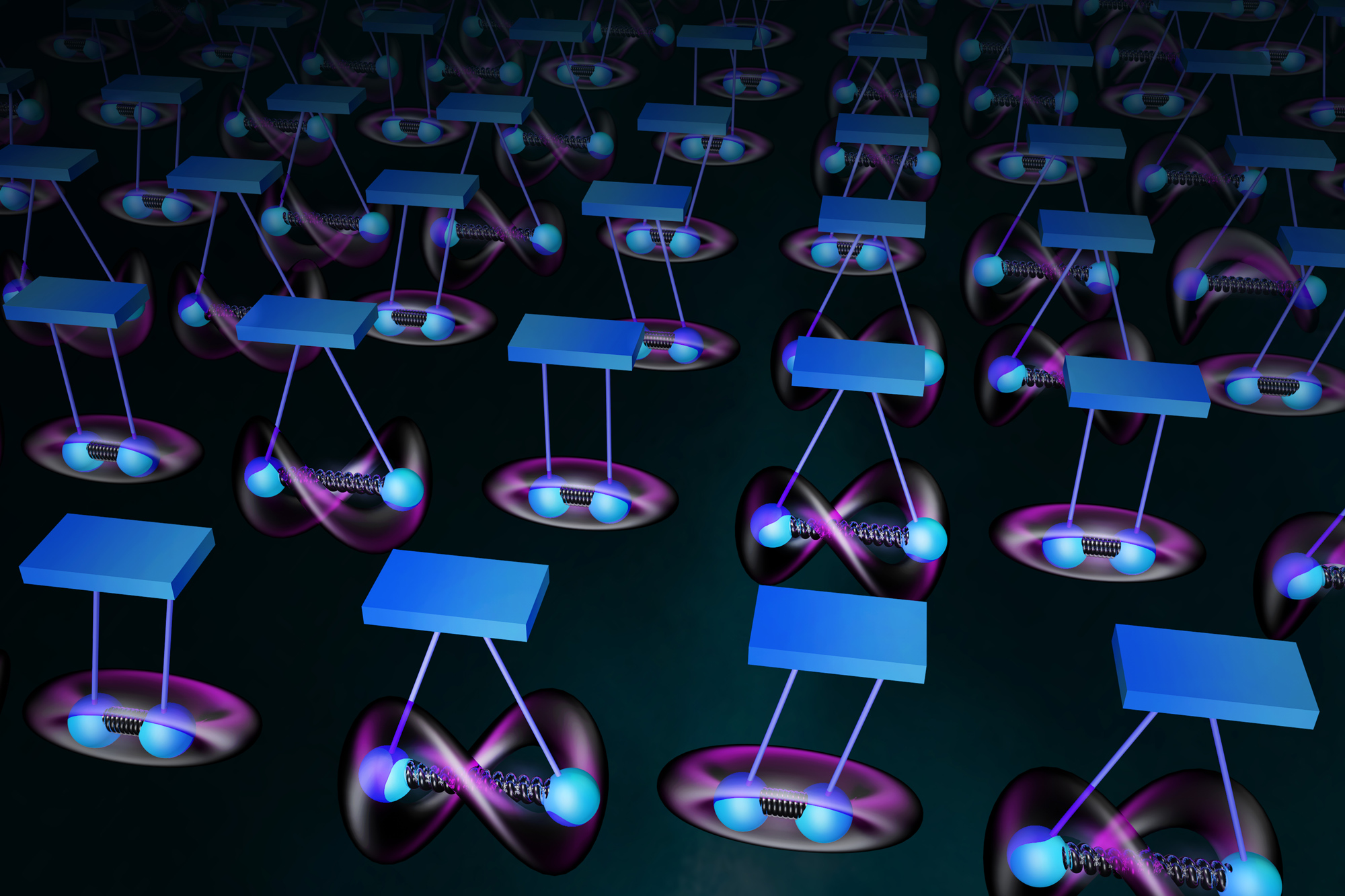
Definition and Fundamental Concepts Atoms and qubits represent two distinct yet foundational concepts in physics and computing. Atoms are the basic units of matter, composed of a nucleus containing protons and neutrons, surrounded by electrons arranged in specific energy levels. They possess tangible physical properties such as mass and volume, which define the characteristics of […]

Read More →

Do quantum computers really work?

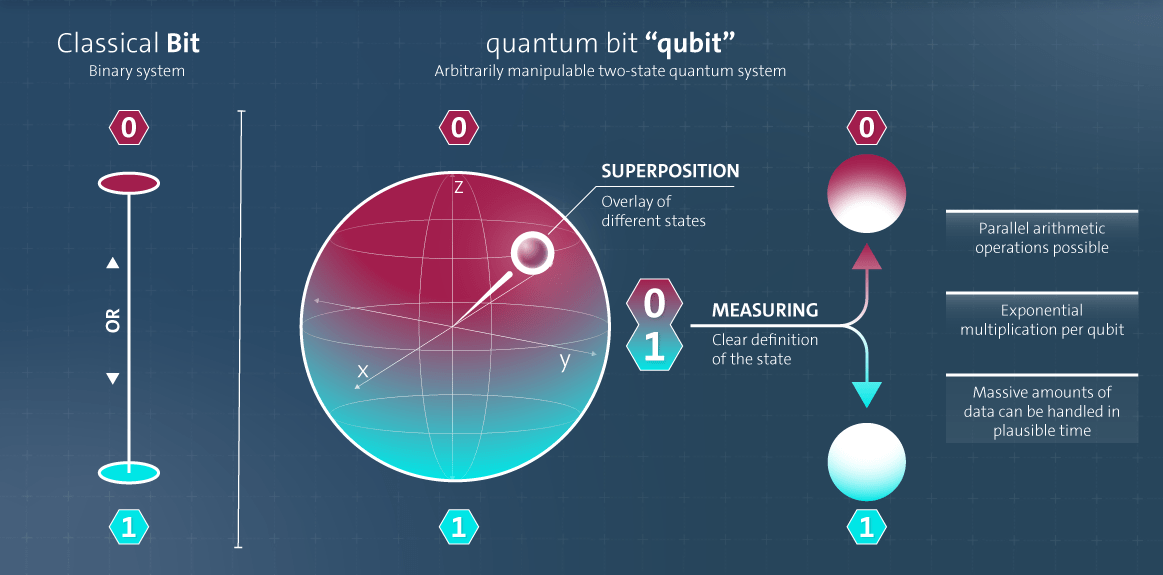
Definition of Quantum Computing Quantum computing is an advanced discipline that merges principles from physics and computer science to revolutionize computational technology. Unlike traditional computing, which relies on binary bits, quantum computing utilizes quantum bits or qubits that can exist in multiple states simultaneously, offering a fundamentally different approach to processing information. Qubits: The basic […]

Read More →

What are the worst things about quantum computing?

Definition of Quantum Computing Quantum computing is an advanced area of technology that leverages the principles of quantum mechanics to perform computations. Unlike classical computers that use bits as the smallest unit of data, quantum computers utilize quantum bits or qubits, which can exist simultaneously in multiple states due to superposition and can be interconnected […]

Read More →

Has anyone yet built a working quantum computer?

Understanding Quantum Computing Quantum computing represents a groundbreaking paradigm in information processing, leveraging the principles of quantum mechanics to perform calculations far beyond the reach of classical computers. Unlike traditional computing systems that rely on bits-binary units representing either 0 or 1-quantum computers utilize quantum bits, or qubits, which can exist in multiple states simultaneously. […]

Read More →

What do you mean by quantum interference in SQUID?

Definition of Quantum Interference in SQUIDs Quantum interference is a fundamental phenomenon in quantum mechanics that significantly influences the function and understanding of Superconducting Quantum Interference Devices (SQUIDs). These devices harness the wave-like nature of superconducting electrons to detect extremely subtle variations in magnetic fields with exceptional accuracy. By exploiting quantum interference, SQUIDs serve as […]

Read More →

Is spintronics necessary to quantum computing?

Understanding Spintronics and Quantum Computing As the field of quantum computing rapidly evolves, a compelling inquiry emerges: Is spintronics essential to fully harness the capabilities of this groundbreaking technology? Spintronics, a discipline born from the fusion of quantum mechanics and classical electrodynamics, exploits not only the electron’s charge but also its intrinsic spin. This dual […]

Read More →

What is quantum computing’s future?

Understanding Quantum Computing Quantum computing represents a revolutionary leap in computational technology, diverging fundamentally from the classical computing systems that have dominated for decades. Unlike traditional computers that rely on binary bits-units that exist strictly as either 0 or 1-quantum computers employ quantum bits, or qubits. These qubits possess the unique ability to exist simultaneously […]

Read More →

How Big is a Qubit? Small Enough to Change the World

Understanding the Qubit: A Fundamental Unit of Quantum Information At the heart of quantum computing lies the qubit, the essential building block of quantum information. The term “qubit” merges “quantum” and “bit,” reflecting its dual identity: it functions similarly to a classical bit yet embodies the unique and often counterintuitive principles of quantum mechanics. This […]

Read More →

How can AI technology enhance quantum computing?

Understanding Quantum Computing Quantum computing represents a groundbreaking fusion of physics and computer science, offering revolutionary possibilities that challenge conventional understanding. Unlike classical computers, which rely on binary bits (0s and 1s) as the fundamental units of data, quantum computers utilize quantum bits, or qubits. These qubits possess the unique ability to exist simultaneously in […]

Read More →

What is the better way to learn quantum computing?

Understanding Quantum Computing Quantum computing represents a revolutionary frontier in both classical and contemporary scientific domains, offering the potential for computational power far beyond traditional systems. Grasping its core concepts involves navigating a complex framework of principles that often defy everyday intuition, much like interpreting an ancient, paradox-laden language. This article aims to guide learners […]

Read More →