Is there any computing faster than quantum computing?

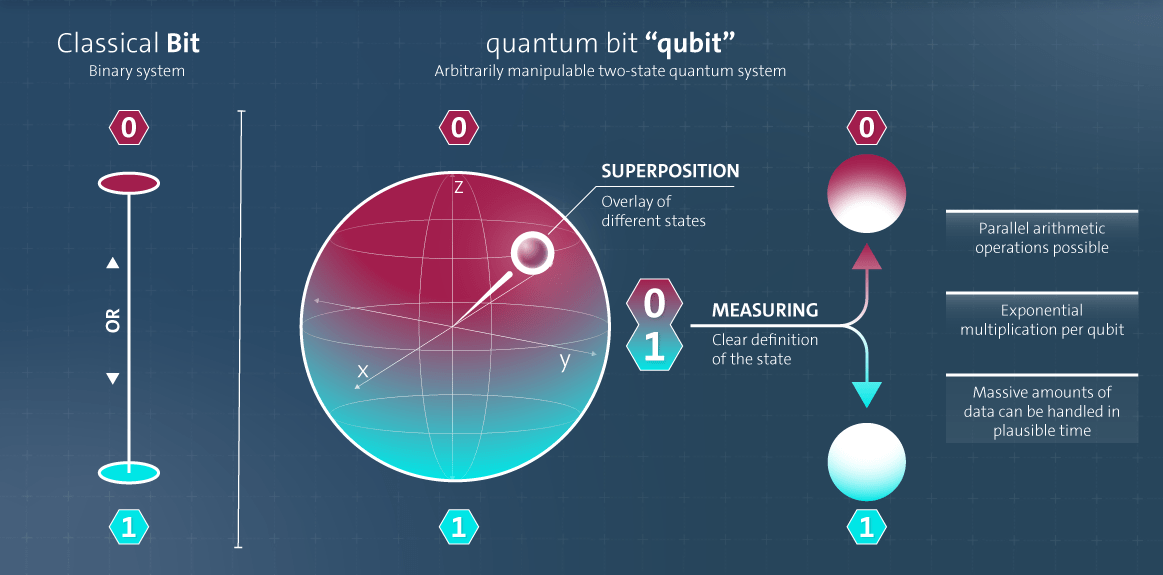
Understanding Quantum Computing and Its Significance Quantum computing represents a revolutionary approach to computation, rooted in the principles of quantum mechanics. Unlike classical computing, which relies on bits existing strictly as 0s or 1s, quantum computing utilizes quantum bits, or qubits, that can simultaneously embody both states through superposition. This unique property, combined with entanglement-a […]

Read More →

IBA SERVICES: Quantum Talent or Hype Hub?

Definition of Quantum Talent Groups in International Business Quantum Talent Groups refer to specialized teams within the realm of international business affairs (IBA) that aim to harness a diverse range of skills and expertise to drive innovation and problem-solving. These groups are often associated with the concept of “quantum,” a term borrowed from advanced scientific […]

Read More →

Can you simulate human biology on a quantum computer?

Definition of Quantum Computing in Human Biology Quantum computing represents a transformative approach to processing information, leveraging the principles of quantum mechanics to perform computations far beyond the capabilities of classical computers. When applied to human biology, it involves using quantum systems to simulate and analyze the complex biological processes that define human life. This […]
Read More →

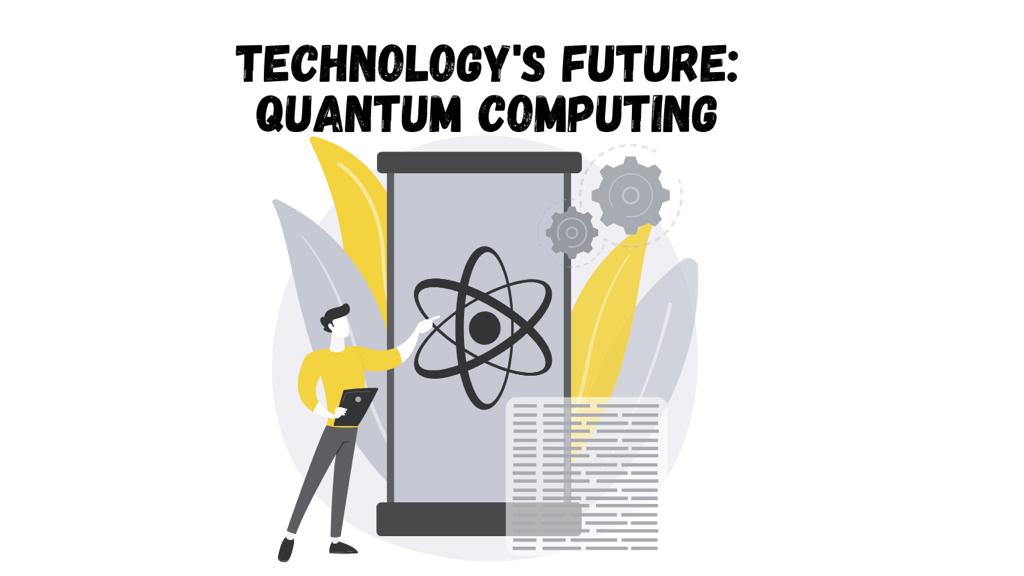
How is quantum computing shaping the future of technology?

Definition of Quantum Computing Quantum computing is an advanced technological field that merges principles from physics, computer science, and information theory. It leverages the unique properties of quantum mechanics to process information in fundamentally new ways, promising to transform various industries by solving problems that are currently beyond the reach of classical computers. Quantum Bits […]

Read More →

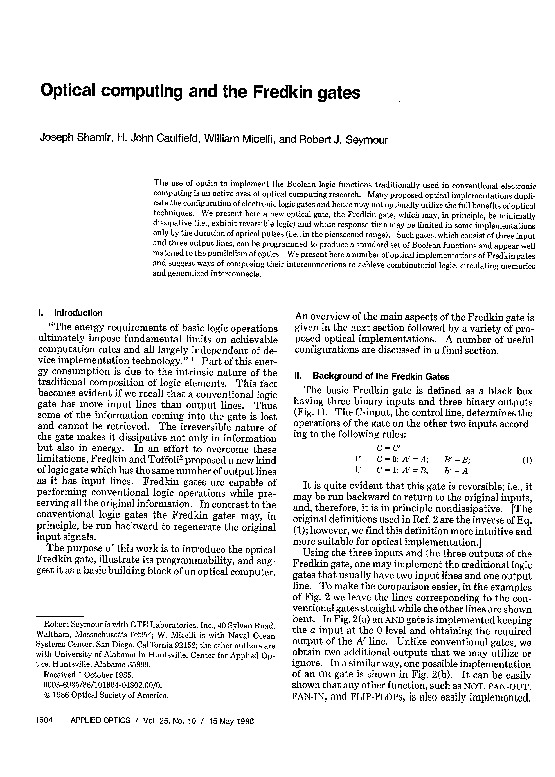
What are some applications of Fredkin gates?

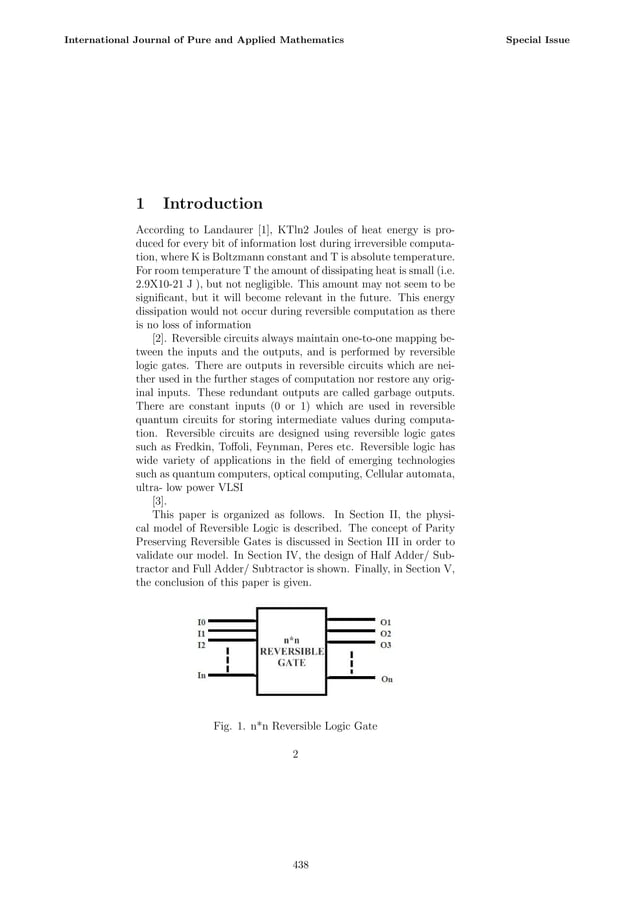
Definition of Fredkin Gates Fredkin gates are a class of reversible logic gates fundamental to the advancement of quantum and theoretical computing. Unlike traditional logic gates, which often lose information during processing, Fredkin gates preserve input data by enabling the exact reconstruction of inputs from outputs. This reversibility is crucial for minimizing energy loss and […]

Read More →

Will I make a lot of money if I go into quantum computing?

Understanding Quantum Computing Quantum computing represents a revolutionary branch of technology that leverages the principles of quantum mechanics to perform computations far beyond the capabilities of classical computers. Unlike traditional systems that use binary bits (0s and 1s), quantum computers utilize quantum bits, or qubits, which can exist simultaneously in multiple states through phenomena such […]

Read More →

What is a qubit

Definition of a Qubit A qubit, or quantum bit, serves as the fundamental unit of information in quantum computing. Unlike classical bits that are restricted to binary states of either 0 or 1, qubits can exist in a superposition of both states simultaneously. This property allows quantum computers to process complex computations far more efficiently […]

Read More →

What are the applications of high performance computing?

Definition of High-Performance Computing (HPC) High-Performance Computing (HPC) refers to the use of supercomputers and parallel processing techniques to solve complex computational problems at exceptional speeds. By harnessing vast computational power, HPC enables the analysis and simulation of large-scale data and intricate models that are beyond the reach of conventional computing systems. Supercomputing: Utilizes highly […]

Read More →

Which is better for quantum computing: Harvard or Stanford?

Overview of Harvard and Stanford in Quantum Computing Within the rapidly evolving domain of quantum computing, Harvard University and Stanford University stand out as leading academic institutions. Each university embodies a unique philosophy and set of strengths that shape their contributions to quantum technology. This article explores the distinctive qualities of these two powerhouses, offering […]

Read More →

Can quantum computers solve Schrodinger’s equation?

Understanding Schrödinger’s Equation Schrödinger’s equation, introduced by physicist Erwin Schrödinger in 1925, is a fundamental formula in quantum mechanics that describes how the quantum state of a physical system changes over time. This equation is essential for predicting the behavior of particles at the quantum level, encapsulated in a mathematical entity called the wave function. […]

Read More →