What are quantum computing AI applications?

Understanding Quantum Computing and Artificial Intelligence Quantum computing and artificial intelligence (AI) represent two of the most transformative technological advancements of our time. Quantum computing leverages the principles of quantum mechanics, utilizing quantum bits or qubits, which can exist in multiple states simultaneously, enabling computations at speeds far beyond classical computers. AI, on the other […]
Read More →

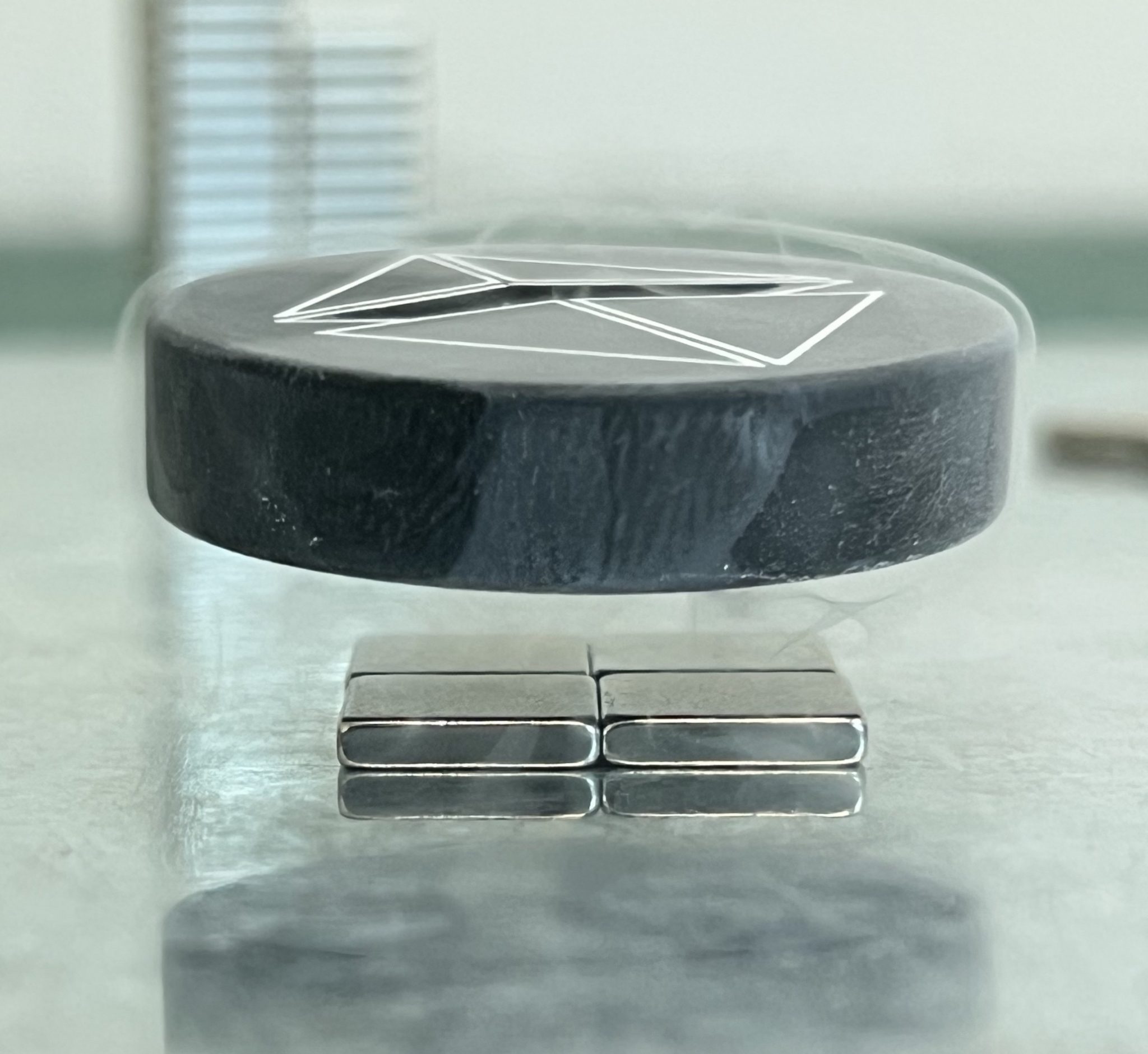
Quantum Locking: The Levitation Trick That’s More Than Magic

Definition of Quantum Locking Quantum locking is a striking physical phenomenon that occurs at the crossroads of quantum mechanics and classical physics, where an object appears to defy gravity by maintaining a fixed position and levitating within a magnetic field. This effect is not only visually captivating but also holds significant scientific and technological importance, […]

Read More →

How does a quantum computer performs its calculations?

Understanding Quantum Computing Quantum computing signifies a groundbreaking transformation in computational theory and practice. It challenges traditional computing paradigms by utilizing the principles of quantum mechanics to perform calculations in fundamentally new ways. To comprehend how quantum computers operate, one must delve into the core quantum phenomena and the innovative system designs that harness these […]

Read More →

Anton Karazeev’s Quantum Universe: A Peek into Next-Gen Algorithms

Understanding Quantum Computing and Its Significance Quantum computing represents a revolutionary approach to processing information, fundamentally distinct from classical computing. It exploits the unique properties of quantum bits, or qubits, which can exist in multiple states simultaneously due to quantum phenomena such as superposition and entanglement. This capability allows quantum computers to explore vast solution […]

Read More →

Is quantum mechanics important to materials science?

Definition of Quantum Mechanics in Materials Science Quantum mechanics is the fundamental theoretical framework that explains the behavior of matter at atomic and subatomic scales. It is essential for comprehending how materials function at these minute levels, providing insights that are crucial across various scientific fields, especially materials science. This discipline focuses on the interplay […]

Read More →

What is quantum information in quantum computing?

Definition of Quantum Information Quantum information is a rapidly developing interdisciplinary field that merges the principles of quantum mechanics with information theory. It investigates the distinctive informational properties that arise from the unique behaviors of quantum states. This domain forms the foundational framework for quantum computing, playing a pivotal role in the advancement of new […]

Read More →

Which computer will be preferred quantum or optical?

Definition of Quantum and Optical Computing Quantum and optical computing represent two groundbreaking approaches to processing information, each rooted in distinct physical principles. Quantum computing harnesses the laws of quantum mechanics, particularly leveraging phenomena such as superposition and entanglement, to perform calculations. This allows quantum bits, or qubits, to exist in multiple states simultaneously, enabling […]

Read More →

Caesium Condensate Debuts: Another Player in the Quantum Chill Game

Definition of Caesium Condensate Caesium condensate refers to a state of matter formed when caesium atoms are cooled to temperatures near absolute zero, resulting in a Bose-Einstein condensate (BEC). This exotic phase occurs when bosonic particles, such as caesium atoms, occupy the same quantum state, behaving collectively as a single quantum entity. The phenomenon reveals […]

Read More →

A Faster Way to Better Quantum Computers: Acceleration Through Innovation

Understanding Quantum Computing Quantum computing represents a groundbreaking domain at the intersection of physics and computer science, promising to transform computational capabilities far beyond what classical computers can achieve. Unlike traditional computers that rely on bits as the smallest unit of data-each bit being either a 0 or a 1-quantum computers utilize quantum bits, or […]

Read More →

The Future of Quantum Computing – Mindshift Mentor?

Understanding Quantum Computing Quantum computing represents a groundbreaking shift in computational technology, poised to revolutionize how complex problems are addressed across various industries. As the demand for advanced computational techniques grows, grasping the fundamentals and nuances of quantum computing becomes essential. This field merges classical computational principles with quantum mechanics, unlocking new possibilities in areas […]

Read More →