Is the brain a type of quantum computer?

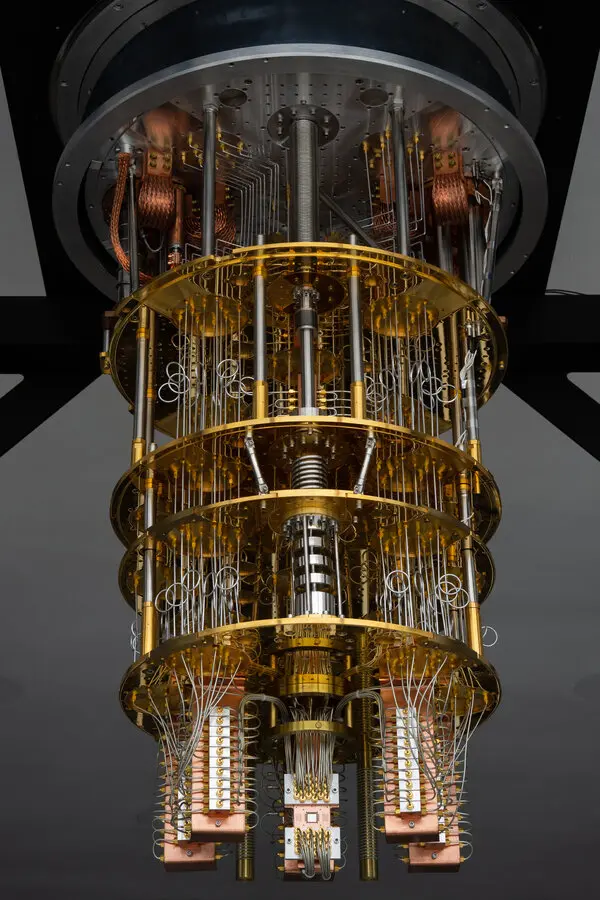
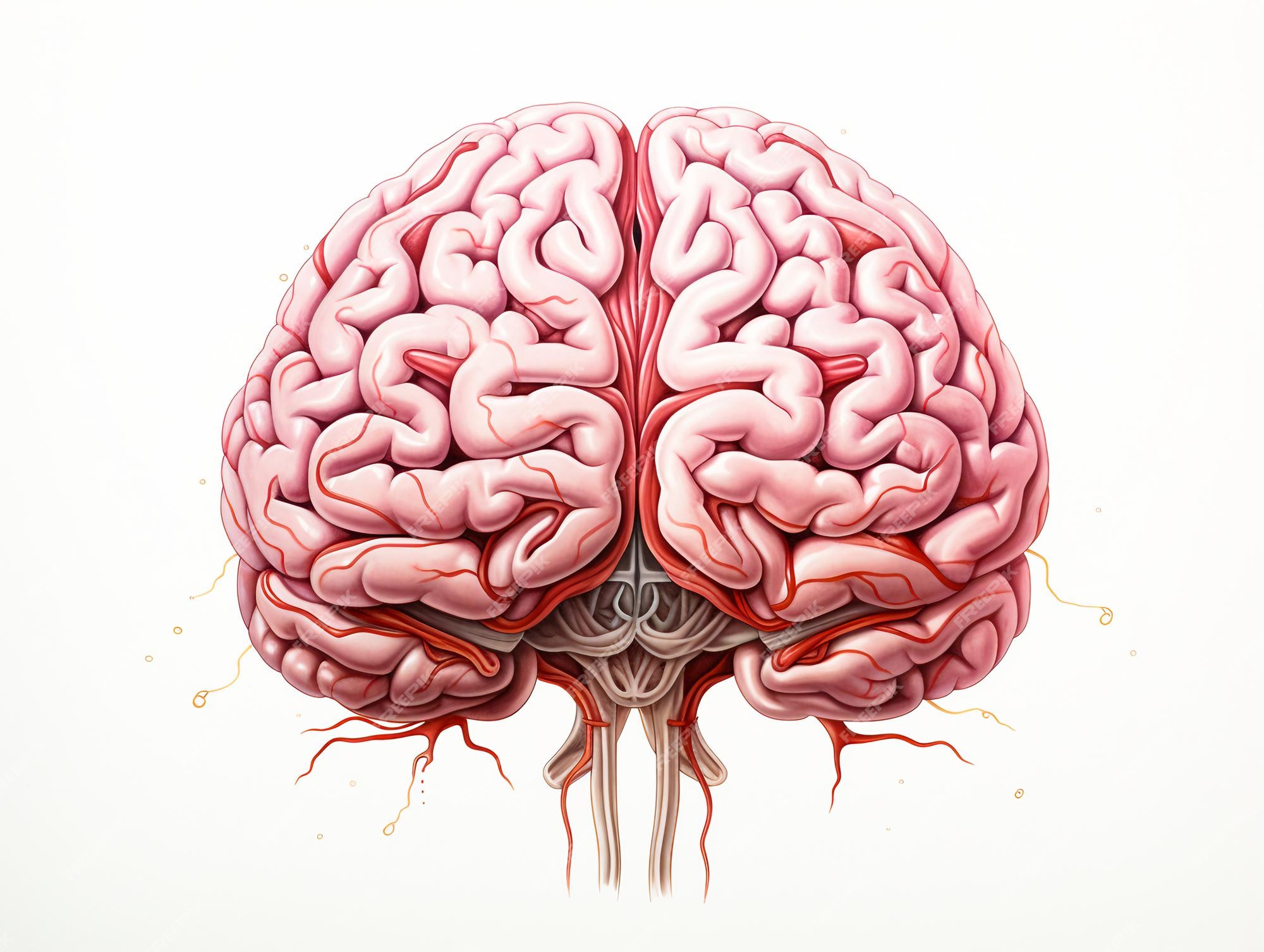
Understanding the Brain as a Quantum Computer In recent times, the intersection of neuroscience and quantum physics has sparked intense discussions among scientists, philosophers, and theorists aiming to decode the mysteries of consciousness and cognition. Central to this debate is the provocative question: could the human brain function as a quantum computer? This inquiry challenges […]

Read More →

Quora Session: Enabling Practical-scale Quantum Computation?

Understanding Quantum Computing Quantum computing represents a groundbreaking shift in computational technology, leveraging the principles of quantum mechanics to transcend the limitations of classical binary systems. Unlike traditional computers that use bits as the smallest unit of data, quantum computers utilize quantum bits, or qubits, which can exist in multiple states simultaneously due to phenomena […]

Read More →

Where did the phrase ‘cutting edge technology’ come from?

Definition of Cutting Edge Technology The term “cutting edge technology” refers to the most advanced and innovative developments within various disciplines, especially in fields like information technology, engineering, and the sciences. It symbolizes the forefront of progress, representing breakthroughs that push the boundaries of what is currently achievable. Cutting Edge: Originally a metaphor from weaponry […]

Read More →

Unlocking Supply Chain Efficiency with Quantum Computing?

Understanding Quantum Computing in Supply Chain Management In today’s interconnected global economy, supply chains serve as the critical framework supporting organizational performance. The ongoing drive to enhance efficiency within these complex networks has led to the exploration of cutting-edge technologies. Among these innovations, quantum computing has emerged as a powerful tool, attracting significant attention from […]

Read More →

How does quantum computing differ from simple computing?

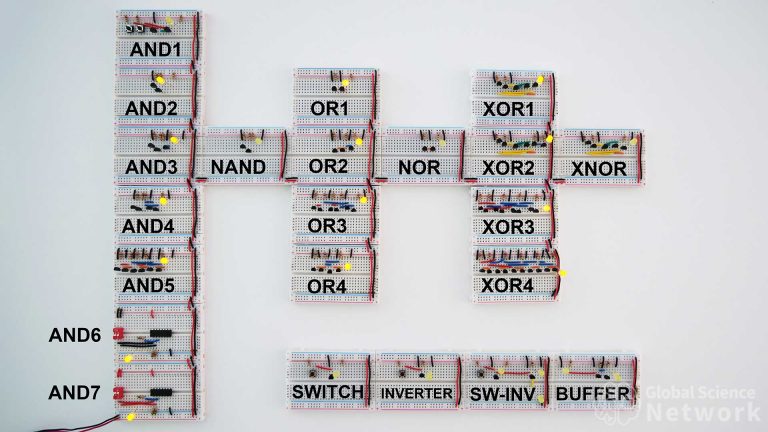
Understanding Quantum Computing Quantum computing represents a revolutionary shift in the way we process information, diverging fundamentally from the classical computing models that have dominated technology for decades. Rather than simply enhancing existing methods, quantum computing redefines the core principles of computation by leveraging the unique phenomena of quantum mechanics. This article explores the key […]

Read More →

How does error correction work?

Definition of Error Correction Error correction encompasses the techniques and processes used to identify and amend errors that occur during the transmission, storage, or processing of data. These errors can arise from various sources such as noise in communication channels, interference in storage devices, or software malfunctions. The primary goal of error correction is not […]

Read More →

Caesium Joins the Cold Club: BEC Gets a Heavyweight Member

Understanding Bose-Einstein Condensates Bose-Einstein Condensates (BECs) represent a unique state of matter that arises when bosonic particles are cooled to temperatures near absolute zero. At these ultracold conditions, a large number of particles occupy the same quantum state, resulting in a macroscopic quantum phenomenon. This state challenges classical physics by exhibiting collective behaviors that are […]

Read More →

Quantum Computing in Real Life: 5 Mind-Blowing Examples

Definition of Quantum Computing Quantum computing represents a groundbreaking advancement in technology, merging principles of quantum mechanics with computer science to revolutionize how computations are performed. Unlike classical computers that use bits as the smallest unit of data, quantum computers utilize quantum bits, or qubits, which can exist simultaneously in multiple states due to quantum […]

Read More →

Why is quantum computing important?

Understanding Quantum Computing Quantum computing signifies a groundbreaking shift in how we approach computation and information processing. Unlike classical computing, which relies on binary bits, quantum computing harnesses the principles of quantum mechanics, offering a fundamentally different framework. This emerging technology holds transformative potential across numerous disciplines, including cryptography, materials science, and artificial intelligence, promising […]

Read More →

Can a quantum computer add or multiply two numbers?

Understanding Quantum Computing and Arithmetic Operations Quantum computing represents a revolutionary approach to processing information, fundamentally different from classical computing. Unlike traditional computers that operate on binary digits (bits) restricted to values of 0 or 1, quantum computers utilize quantum bits, or qubits, which can exist in multiple states simultaneously due to the principle of […]

Read More →