AI’s energy boom calls for balancing growth and sustainability?

Understanding Artificial Intelligence and Its Energy Impact Artificial Intelligence (AI) has rapidly integrated into numerous sectors such as healthcare, finance, and transportation, revolutionizing how these industries operate. This swift expansion, however, brings with it significant considerations regarding energy consumption and environmental sustainability. The increasing computational requirements of AI systems necessitate a thorough evaluation of their […]

Read More →

Is sustainable energy cost effective and truly efficient?

Definition of Sustainable Energy Sustainable energy refers to power generated from sources that are naturally replenished and have minimal environmental impact. These energy forms include solar, wind, hydroelectric, geothermal, and biomass, all of which can be utilized without exhausting natural reserves or causing significant ecological damage. The concept emphasizes long-term availability and environmental stewardship, distinguishing […]

Read More →

Heat to Chill? The Paradox of Cooling with Fire

Definition of the Heat to Chill Paradox The “Heat to Chill” paradox describes the intriguing phenomenon where exposure to fire, a source of heat, can simultaneously evoke sensations of coldness. This counterintuitive experience arises from the complex interactions between thermal energy transfer, physiological responses, and psychological perception. It highlights how heat and cold are not […]

Read More →

Is economic growth bad for the environment?

Understanding Economic Growth and Its Environmental Impact Economic growth represents a fundamental aspect of human development, symbolizing progress and increased prosperity. However, this advancement often carries complex implications for the environment, revealing a nuanced relationship that balances opportunity with risk. The question arises: does economic growth inherently harm the environment, or can it coexist with […]

Read More →

What is the effect of nuclear energy to the environment?

Definition of Nuclear Energy and Its Environmental Impact Nuclear energy is a powerful source of electricity generated through the process of nuclear fission, where atomic nuclei are split to release vast amounts of energy. While it offers a high-efficiency alternative to traditional fossil fuels, its environmental consequences are multifaceted, encompassing both positive and negative effects […]

Read More →

Climate Model Predicts Searing Summers Ahead

Understanding the Phenomenon of Intensifying Summers As humanity approaches an era marked by unprecedented climatic shifts, the evolving patterns of global weather demand careful scrutiny and reflection. Scientific research, combined with advanced climate modeling, forecasts increasingly intense and prolonged summer heatwaves. These projections do more than present statistical data; they paint a vivid picture of […]

Read More →

Why is solar energy good for the future of India?

Definition of Solar Energy in the Indian Context Solar energy refers to the power harnessed from the sun’s radiation, which is converted into usable electricity or heat. In India, a country blessed with abundant sunlight throughout the year, solar energy emerges as a critical component of sustainable development. Its limitless availability and the nation’s favorable […]

Read More →

What could I do if I studied ecology?

Definition of Ecology and Its Scope Ecology is the scientific discipline that examines the relationships between living organisms and their physical surroundings. It provides a comprehensive framework for understanding how species interact with each other and with their environments, encompassing ecosystems, biodiversity, and environmental processes. This field not only deepens our knowledge of natural systems […]

Read More →

What is ‘green building’?

Definition of Green Building Green building refers to a comprehensive approach to designing, constructing, and operating buildings that prioritize environmental responsibility and resource efficiency throughout their lifecycle. This concept goes beyond aesthetic appeal, aiming to create structures that coexist harmoniously with their natural surroundings while minimizing ecological harm. It embodies a philosophy where buildings function […]

Read More →

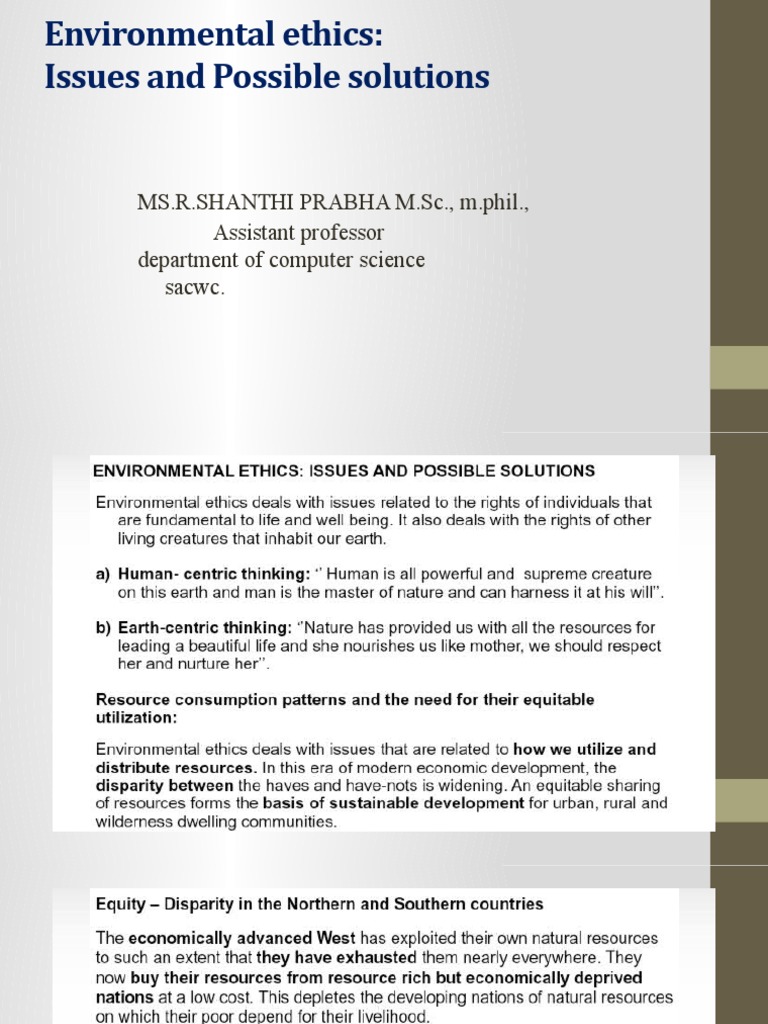
What are the current issues in environmental ethics?

Definition of Environmental Ethics Environmental ethics is a branch of philosophy that examines the moral relationship between humans and the natural environment. It integrates perspectives from ecology, social justice, and philosophy to address how society should interact with the natural world. This field has gained prominence in response to escalating ecological crises, prompting a reevaluation […]

Read More →