Is green energy sustainable?

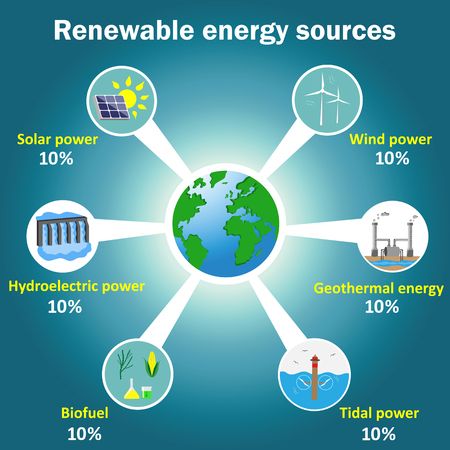
Definition of Green Energy Green energy refers to power generated from renewable and naturally replenishing sources that have minimal environmental impact. These sources include solar, wind, hydroelectric, and biomass energy. The fundamental premise of green energy is its ability to provide sustainable power without depleting natural resources or causing significant ecological harm. Solar Energy: Harnessing […]

Read More →

Why do you want to study renewable energy?

Definition of Renewable Energy Studies Renewable energy studies encompass the comprehensive examination of energy sources that are naturally replenished and sustainable over time. This academic and practical field focuses on harnessing energy from resources such as sunlight, wind, water, and geothermal heat, aiming to reduce reliance on finite fossil fuels and mitigate environmental harm. It […]

Read More →

How does power generation affect the environment?

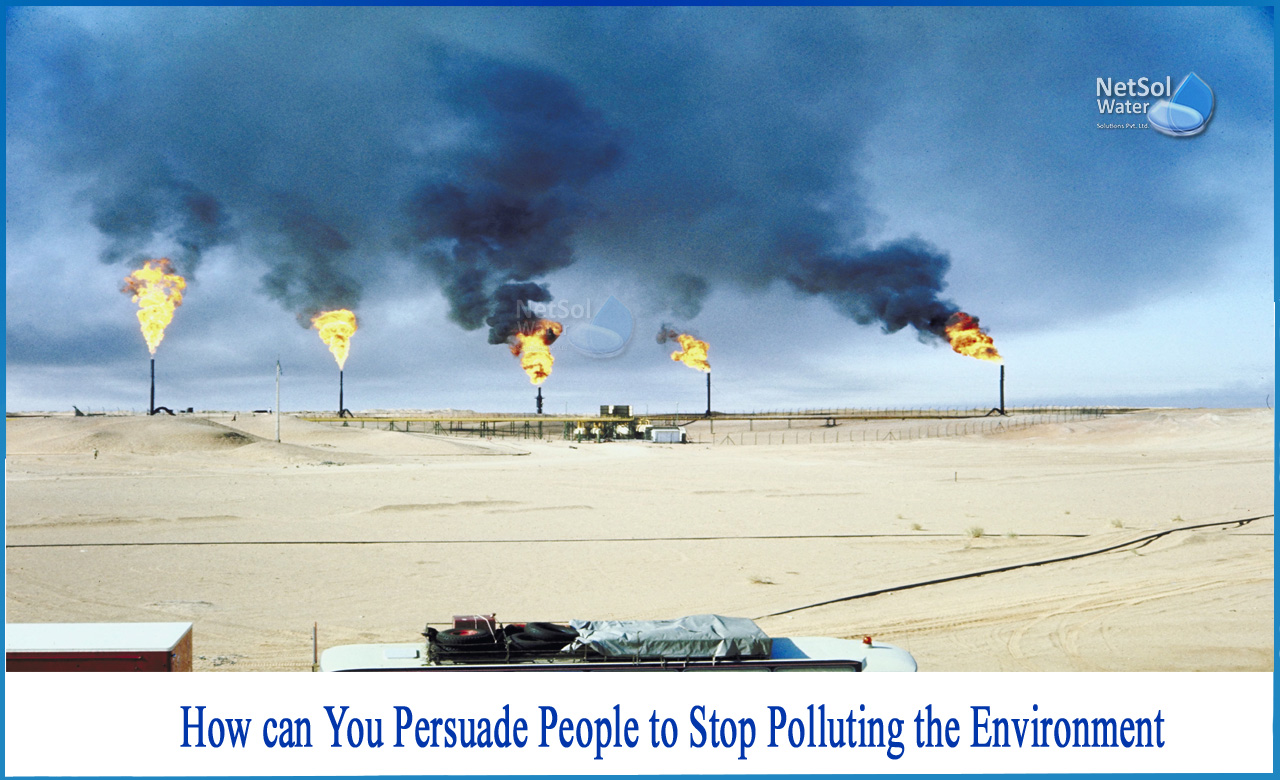
Definition of Power Generation and Environmental Impact Power generation refers to the process of producing electricity from various energy sources. The environmental impact of power generation encompasses the effects these processes have on ecosystems, human health, and the global climate. Understanding this relationship is vital for developing sustainable energy strategies that minimize ecological damage while […]

Read More →

Can renewable energy solve our environmental problems?

Definition of Renewable Energy Renewable energy refers to power generated from natural sources that replenish themselves on a human timescale, making them sustainable alternatives to fossil fuels. These energy forms include solar, wind, hydroelectric, geothermal, and biomass, each harnessing different natural processes to produce electricity or heat. Solar Energy: Utilizes sunlight converted into electricity via […]

Read More →

Is renewable energy actually better for the environment?

Definition of Renewable Energy Renewable energy refers to power generated from natural sources that replenish on a human timescale. These energy forms include solar radiation, wind currents, flowing water, and organic materials such as biomass. Unlike finite fossil fuels, renewables offer a continuous supply, making them attractive alternatives for sustainable energy production. Solar Energy: Harnessing […]

Read More →

How to persuade teenagers to care about the environment?

Understanding Environmental Engagement Among Teenagers In today’s world, where ecological issues are increasingly urgent, motivating young people to embrace sustainability is vital. Encouraging teenagers to develop a genuine concern for the environment involves a complex, multifaceted approach. This article explores effective methods to nurture environmental responsibility in adolescents by focusing on relevance, education, social dynamics, […]

Read More →

What are the pillars of sustainability

Definition of Sustainability Sustainability is a multifaceted concept that integrates environmental care, economic resilience, and social fairness. It represents a holistic approach aimed at meeting present needs without compromising the ability of future generations to meet theirs. This triadic framework underscores the necessity of balancing ecological preservation, economic development, and social well-being to achieve long-term […]

Read More →

What are our best options for energy in the future?

Definition of Sustainable Energy Sources Sustainable energy refers to power generated from resources that are naturally replenished and have minimal environmental impact. These energy forms aim to meet current demands without compromising the ability of future generations to fulfill their needs. The spectrum of sustainable energy encompasses a variety of technologies, each with distinct characteristics […]

Read More →

Is wave energy bad for the environment?

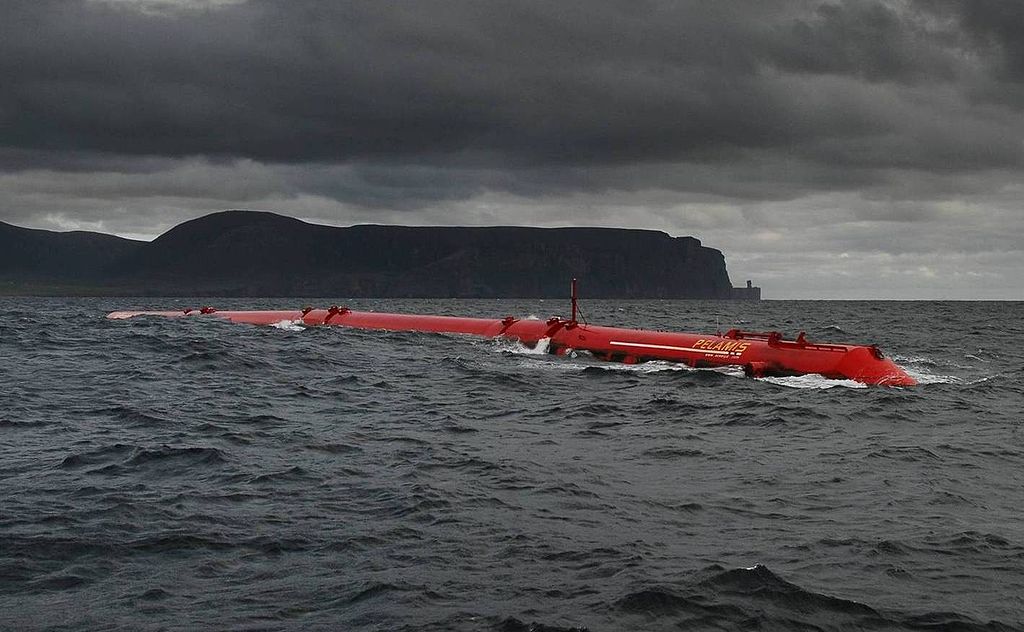
Definition of Wave Energy Wave energy refers to the process of capturing and converting the kinetic and potential energy generated by ocean surface waves into usable electrical power. This form of renewable energy harnesses the natural motion of water caused by wind, gravitational forces, and other environmental factors, offering a promising alternative to fossil fuels. […]

Read More →

A Cool Solution to Waste: Physics Tackles Global Trash

Understanding Waste Management Waste management has emerged as a critical challenge confronting modern civilization. As human activities intensify, the volume of discarded materials grows exponentially, resembling an ever-expanding void that consumes natural resources without replenishment. Addressing this issue requires a multidisciplinary approach, with physics playing a pivotal role in developing innovative solutions to the global […]

Read More →