What does it mean for a brain to ‘process information’?

Definition of Information Processing in the Brain Information processing within the brain refers to the complex series of operations that convert external stimuli into meaningful perceptions, thoughts, and behaviors. This multifaceted process is fundamental to understanding human cognition, encompassing how sensory inputs are transformed into conscious experiences and guide our interactions with the environment. Sensory […]

Read More →

What is matter and its fundamental states?

Definition of Matter Matter constitutes the fundamental substance of the physical universe, encompassing everything that has mass and occupies space. It exists in diverse forms and conditions throughout the cosmos. At its core, matter is composed of particles that exhibit dual characteristics, behaving both as waves and as discrete particles-a phenomenon central to quantum mechanics. […]

Read More →

Why is it said that the best clocks are atoms?

Understanding Atomic Clocks Atomic clocks represent the pinnacle of precision in timekeeping, surpassing traditional methods by leveraging the quantum properties of atoms. These devices measure time based on the consistent oscillations of electrons within atoms, offering unparalleled accuracy that has revolutionized scientific measurement and technology. Historical Progression of Timekeeping Humanity’s approach to measuring time has […]

Read More →

What are some current open problems in nuclear physics?

Definition of Nuclear Physics and Its Challenges Nuclear physics is a complex and expansive scientific discipline focused on understanding the components and interactions within atomic nuclei. It encompasses a wide range of phenomena, from the behavior of subatomic particles to the processes powering stars and nuclear reactors. Despite significant advancements in both experimental methods and […]

Read More →

How do atoms emit and absorb electromagnetic radiation?

Definition of Electromagnetic Radiation and Atomic Interaction Electromagnetic radiation (EMR) refers to a broad range of waves that propagate through space, encompassing radio waves, microwaves, infrared, visible light, ultraviolet rays, X-rays, and gamma rays. These waves differ in frequency and wavelength, which directly influence their energy levels. The fundamental relationship connecting frequency (ν) and wavelength […]

Read More →

How has physics changed over the years?

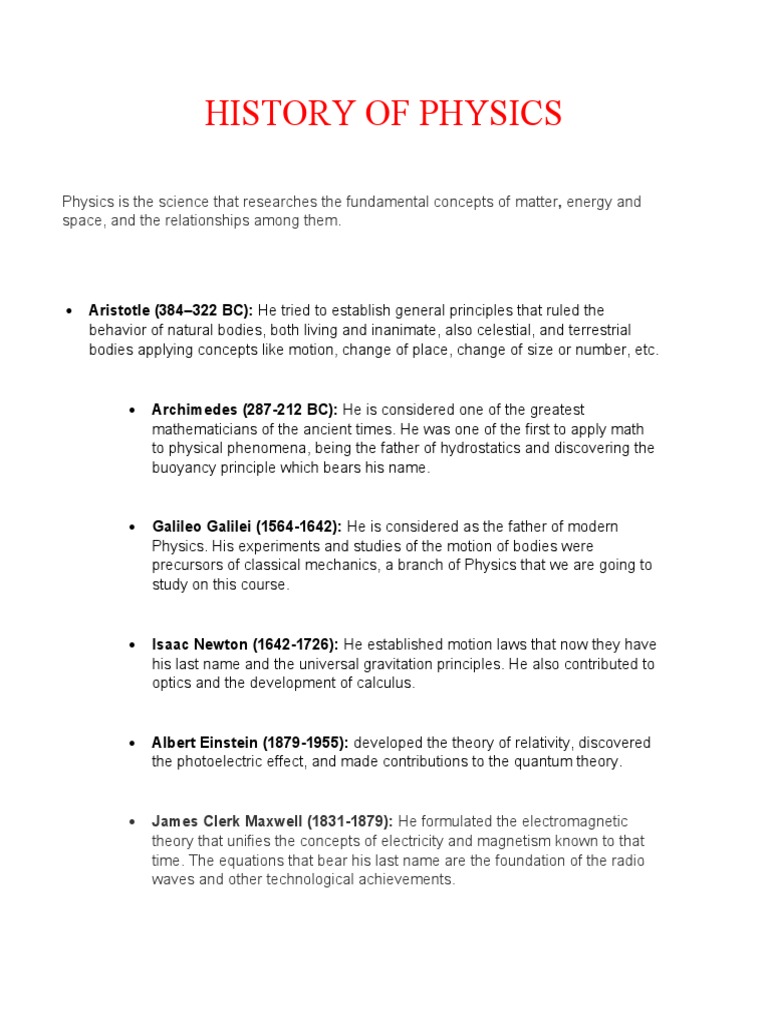
Definition and Historical Overview of Physics Physics is the scientific discipline dedicated to understanding the fundamental laws governing the natural world, encompassing matter, energy, space, and time. Its evolution spans millennia, reflecting humanity’s persistent endeavor to decode the universe’s underlying mechanisms. From its philosophical origins in antiquity to the sophisticated theories of the modern era, […]

Read More →

How was molecular geometry discovered?

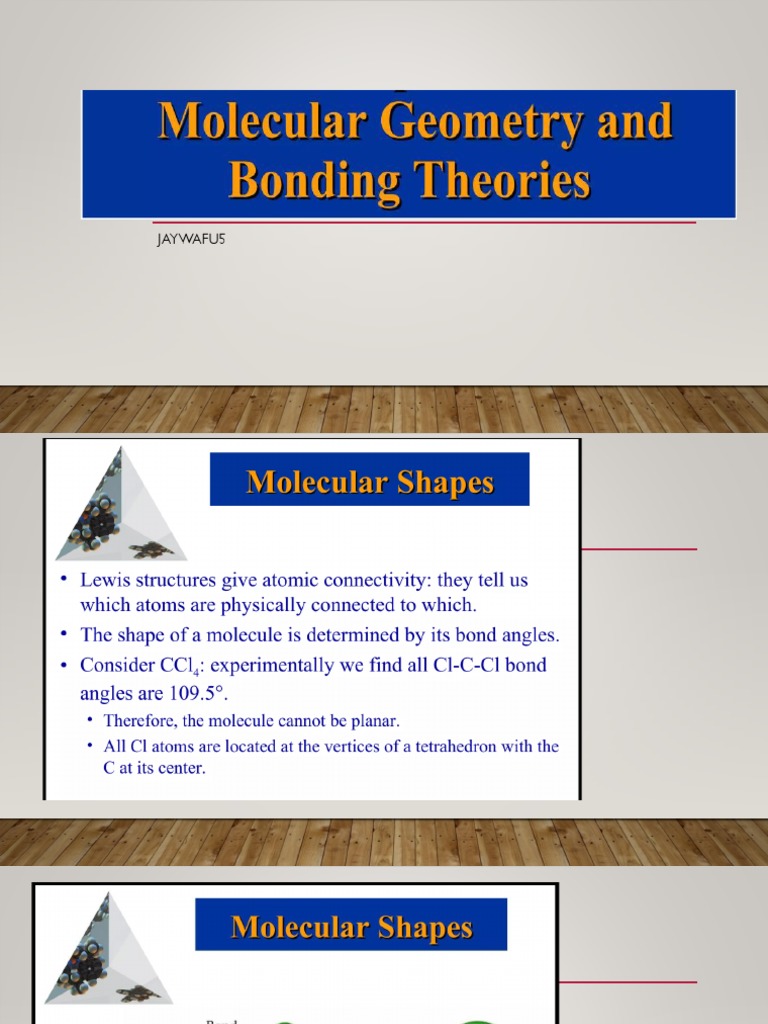
Definition of Molecular Geometry Molecular geometry refers to the three-dimensional arrangement of atoms within a molecule. It is a fundamental concept in chemistry that describes how atoms are spatially organized, influencing the molecule’s physical and chemical properties. This geometric configuration results from the interactions between atomic orbitals and electron pairs, shaping the molecule’s overall form […]

Read More →

Is it possible to cut an atom?

Understanding the Atom: Basic Structure and Components Atoms serve as the fundamental units of matter, composed primarily of three subatomic particles: protons, neutrons, and electrons. At the core lies the nucleus, a compact region containing protons and neutrons tightly bound together. Surrounding this nucleus are electrons, which occupy probabilistic regions known as electron shells, governed […]

Read More →