How do atoms bond to become chemically stable?

Definition of Atomic Bonding Atomic bonding refers to the process by which atoms connect to one another to achieve greater chemical stability. Atoms, the fundamental units of matter, interact through various bonding mechanisms to form compounds and molecules. These bonds are essential for the structure and behavior of all substances in the universe, from the […]

Read More →

How to slice an atom?

Understanding the Atom: Structure and Composition Atoms, once thought to be the smallest indivisible units of matter, are now known to possess a complex internal architecture. At the center lies the nucleus, a dense core composed of protons and neutrons, which contains nearly all the atom’s mass. Surrounding this nucleus are electrons orbiting in defined […]

Read More →

Is chemistry or physics the base of all science?

Definition The debate over whether chemistry or physics constitutes the fundamental basis of all scientific disciplines is a longstanding and thought-provoking question. Both fields explore the natural world but from different vantage points-physics investigates the fundamental laws and forces of the universe, while chemistry focuses on the properties, composition, and transformations of matter. Understanding their […]

Read More →

On which machine were atoms discovered?

Understanding Atoms: A Historical and Scientific Overview Atoms are the fundamental units that compose all matter, yet the path to uncovering their nature has been a complex journey marked by philosophical inquiry, technological innovation, and scientific breakthroughs. This article explores the evolution of our understanding of atoms, the instruments that have enabled their observation, and […]

Read More →

What are the different types of chemical bonds?

Definition of Chemical Bonds Chemical bonds are the fundamental forces that connect atoms, forming the molecular structures that compose all matter. These invisible interactions dictate the physical and chemical properties of substances, influencing how materials behave and react. A comprehensive understanding of chemical bonds is crucial for interpreting the nature of compounds and the mechanisms […]

Read More →

What is a viable alternative to quantum computing?

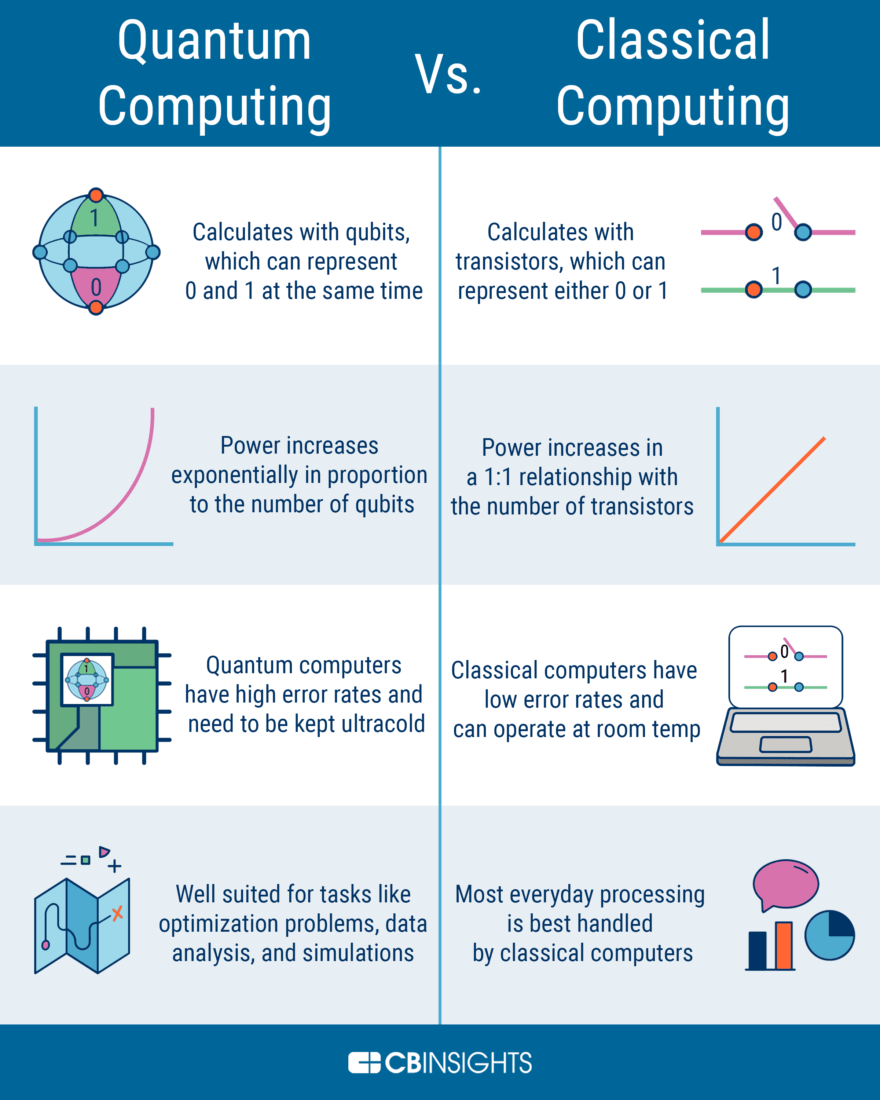
Understanding Computational Paradigms The pursuit of more powerful and efficient computing methods has led to the emergence of various innovative paradigms. While quantum computing is often celebrated for its revolutionary potential based on quantum mechanics, it is essential to consider other promising alternatives. Classical computation, neuromorphic computing, and optical computing each offer unique strengths and […]

Read More →

How did consciousness come from atoms?

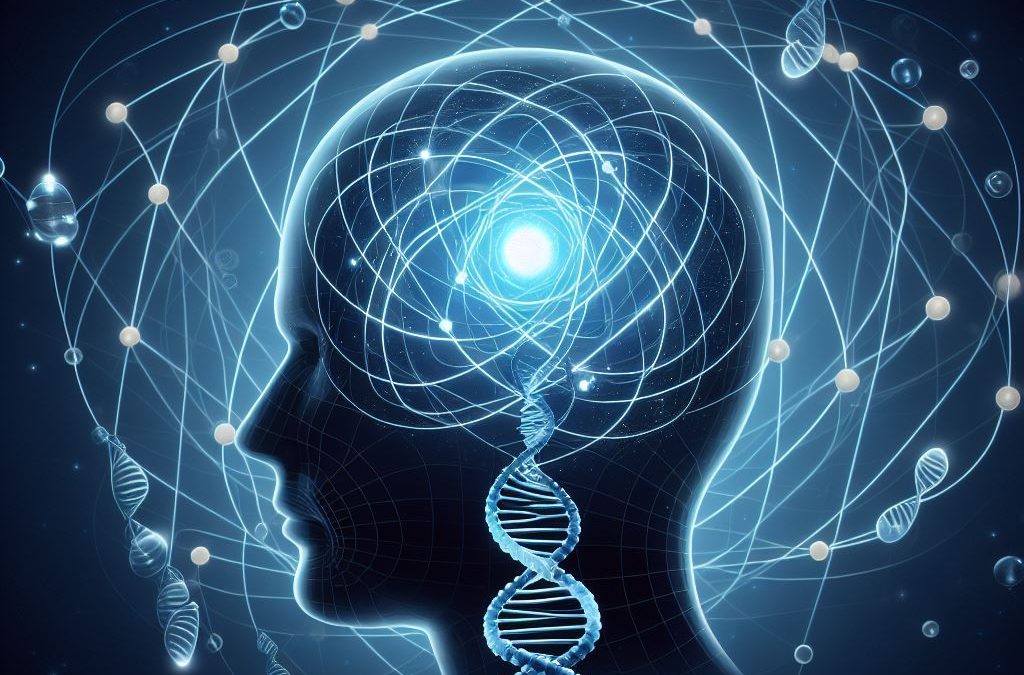
Definition of Consciousness Consciousness is a complex and enigmatic phenomenon that has intrigued scientists and philosophers alike. It refers to the state of being aware of and able to perceive one’s surroundings, thoughts, and experiences. Despite extensive study, consciousness remains one of the most challenging subjects in fields such as physics, cognitive science, and philosophy, […]

Read More →

Why do atoms never stop moving? – The Science Space?

Definition of Atomic Motion Atomic motion refers to the continuous movement exhibited by atoms, the smallest units of matter. This perpetual activity is a fundamental characteristic of all atoms, regardless of their physical state-solid, liquid, or gas. The phenomenon arises from intrinsic energy and forces acting at microscopic and quantum levels, ensuring that atoms never […]

Read More →

How to define quantum mechanics in simple terms in 2021?

Definition of Quantum Mechanics Quantum mechanics is a sophisticated branch of physics that investigates the behavior and interactions of matter and energy at the smallest scales-namely, the atomic and subatomic levels. Unlike classical physics, which describes the macroscopic world with predictable laws, quantum mechanics reveals a realm governed by probabilities and phenomena that defy everyday […]

Read More →

Which one is chemically active: atom ⚛️ or a molecule?

Understanding Chemical Activity: Atoms vs. Molecules Chemistry, at its core, is a study of matter and the interactions that govern its transformations. Central to this discipline are atoms and molecules, the fundamental units that compose all substances. To discern which is more chemically reactive-an atom or a molecule-requires a deep dive into their structures, behaviors, […]

Read More →