
Short Answer
Definition of Thermal Imaging and Biomimicry
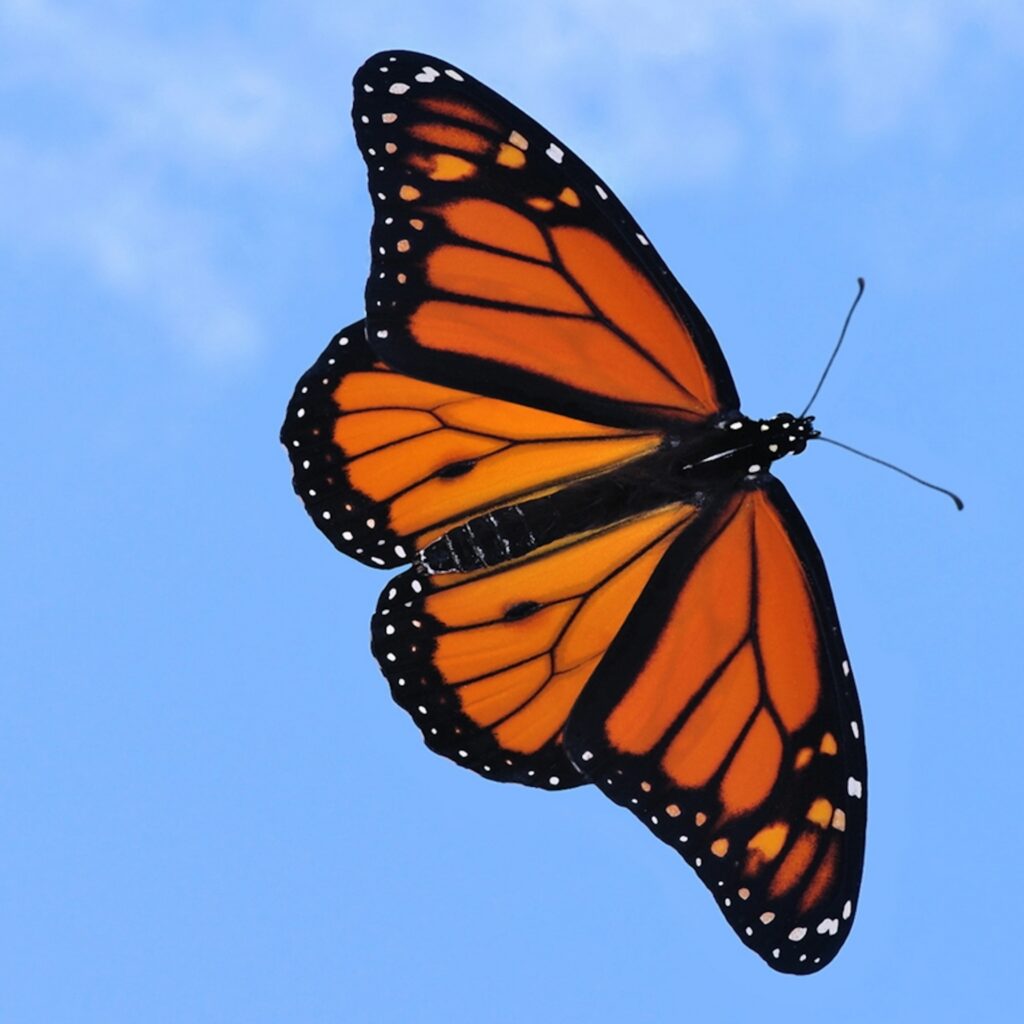
Thermal imaging technology utilizes infrared radiation to detect and visualize temperature differences that are invisible to the human eye. This technology has become indispensable across numerous industries, from medical diagnostics to environmental monitoring. Biomimicry, the practice of drawing inspiration from natural systems and organisms, plays a crucial role in advancing thermal imaging by providing innovative models for adaptation and efficiency. One notable example is the monarch butterfly, whose thermoregulatory behaviors and structural features have informed the evolution of thermal imaging techniques.
Thermoregulation in Monarch Butterflies
Monarch butterflies are renowned for their extensive migratory journeys, covering thousands of miles between breeding and overwintering sites. A critical aspect of their survival during these migrations is the ability to regulate body temperature despite being ectothermic (cold-blooded) creatures. Unlike mammals that internally generate heat, monarchs depend on external heat sources, primarily solar radiation, to maintain optimal body temperatures necessary for sustained flight.
- Behavioral Adaptations:
Monarchs bask in sunlight and orient their wings to maximize heat absorption, effectively using environmental thermal gradients to regulate their body temperature. - Physiological Significance:
This thermoregulatory strategy enables them to conserve energy and maintain flight endurance over long distances.
Principles of Thermal Imaging Technology
Thermal imaging cameras operate by detecting infrared radiation emitted by all objects based on their temperature. Variations in this radiation allow the creation of detailed thermal maps that reveal temperature differences across surfaces and environments. This process parallels the monarch butterfly’s instinctive use of heat absorption and reflection to manage its body temperature.
- Infrared Detection:
Sensors capture emitted infrared radiation, converting it into electronic signals that form thermal images. - Temperature Mapping:
The technology highlights subtle temperature variations, enabling precise analysis of heat distribution.
Biomimetic Enhancements in Thermal Imaging
Inspired by the monarch butterfly’s neural processing and thermoregulatory behaviors, researchers have developed advanced algorithms that improve the sensitivity and accuracy of thermal imaging devices. These biomimetic approaches mimic the butterfly’s visual and thermal perception mechanisms, allowing for the detection of minute temperature fluctuations that were previously difficult to discern.
Applications of Thermal Imaging Across Fields
Medical Diagnostics
Thermal imaging offers a non-invasive diagnostic tool to detect abnormalities related to blood circulation, inflammation, and infections. By visualizing thermal patterns on the human body, healthcare professionals can identify underlying conditions that might not be visible through traditional methods. This approach reflects the monarch’s ability to respond to temperature variations in its environment, highlighting the potential for adaptive medical technologies.
Architecture and Energy Efficiency
In the construction industry, thermal imaging is employed to identify heat loss and insulation weaknesses in buildings. Detecting these inefficiencies allows for targeted improvements that enhance energy conservation. This practice draws parallels to the monarch’s thermoregulatory strategies, demonstrating how biological principles can inform sustainable architectural design.
Environmental Monitoring and Wildlife Conservation
Thermal imaging devices are invaluable for ecological research, enabling the observation of animal behavior and population dynamics without disturbing natural habitats. For example, thermal cameras help track nocturnal species and monitor migratory patterns, supporting conservation efforts. This technology’s non-intrusive nature aligns with the monarch butterfly’s reliance on specific environmental conditions for successful migration.
Innovations Inspired by Monarch Butterfly Structural Properties
The monarch butterfly’s wings exhibit unique structural coloration due to microscopic scale arrangements, which influence thermal absorption and reflection. Scientists are replicating these features in synthetic materials to develop energy-efficient surfaces that manage heat effectively. These biomimetic materials have potential applications in thermal regulation for buildings, clothing, and electronic devices.
Ethical Considerations in Thermal Imaging Technology
While thermal imaging offers numerous benefits, its deployment raises important ethical questions related to privacy, surveillance, and potential misuse. The inspiration drawn from the monarch butterfly’s natural adaptations must be balanced with responsible use to prevent societal harm. Careful regulation and ethical guidelines are essential to ensure that thermal imaging technologies serve the public good without infringing on individual rights.
Why Biomimicry and Thermal Imaging Matter
The study of monarch butterflies and their thermoregulatory mechanisms has significantly influenced the advancement of thermal imaging technologies. This interdisciplinary synergy between biology and engineering fosters innovations that improve healthcare, environmental stewardship, and energy efficiency. Embracing biomimicry not only drives technological progress but also promotes sustainable practices by aligning human designs with nature’s time-tested solutions. Moving forward, integrating ethical considerations will be crucial as society harnesses these natural insights for technological development.
FAQ
What is thermal imaging?
Thermal imaging is a technology that detects infrared radiation emitted by objects, allowing visualization of temperature differences invisible to the human eye.
How does the monarch butterfly inspire thermal imaging technology?
The monarch butterfly’s thermoregulatory behaviors and unique wing structures have inspired biomimetic enhancements and advanced algorithms that improve the sensitivity and efficiency of thermal imaging devices.
What are common applications of thermal imaging?
Thermal imaging is used in medical diagnostics, architecture for energy efficiency, environmental monitoring, and wildlife conservation.
What ethical concerns are associated with thermal imaging?
Ethical concerns include privacy, surveillance, and potential misuse, necessitating responsible regulation and guidelines.





Leave a Reply