A Gossamer Nanoweb Blocks Light

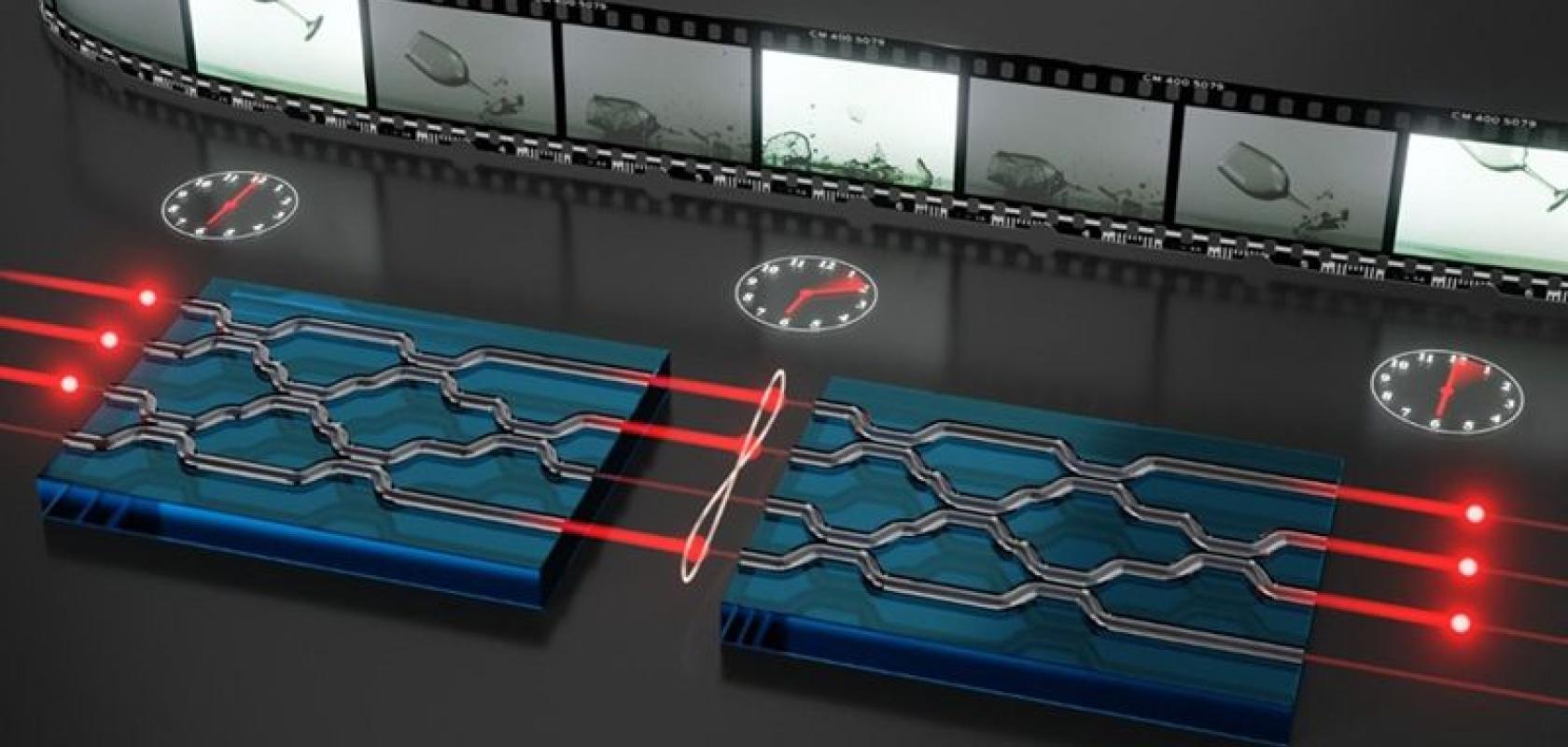
The advent of nanostructured materials has ushered in an era of unprecedented possibilities across diverse fields, particularly in photonics and optics. The Gossamer “nanoweb,” a novel innovation, exemplifies this transformation by presenting a lightweight, pliable structure capable of blocking light efficiently. This extraordinary capability raises intriguing questions and challenges regarding its potential applications and implications. […]

Read More →

The Early Universe Comes into Focus: Peering Back to the Dawn of Time

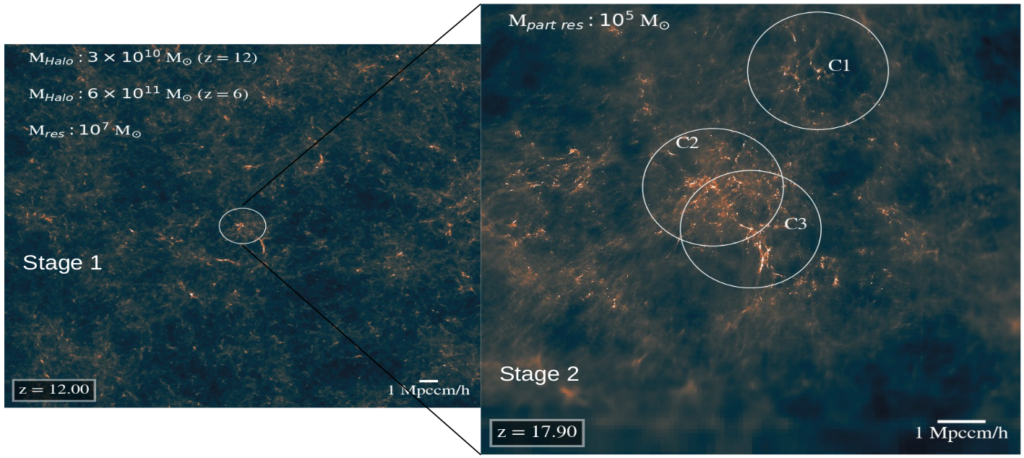
The Early Universe is a fascinating tableau, a primordial canvas painted with the brushstrokes of cosmic events that continue to intrigue astrophysicists and cosmologists. As we endeavor to pierce the veil of time and space, we encounter the epoch of the universe’s birth, an era characterized by cataclysmic transformations and the emergence of the fundamental […]

Read More →

A New Kind of Website Challenges the ArXiv Server

The emergence of the digital age has engendered a plethora of platforms designed to disseminate academic research. Among these, the arXiv server has gained prominence as a preeminent repository for scientific manuscripts in fields including physics, mathematics, and computer science. However, a new kind of website presents a formidable challenge to the hegemony of the […]

Read More →

DNA Nanobot Delivers Drugs with Atomic Precision

In the rapidly evolving realm of nanotechnology and bioengineering, the conception and application of DNA nanobots is a paramount achievement. As researchers dive deeper into the intricate architecture of deoxyribonucleic acid (DNA), they have begun to harness its unique properties to engineer nanoscale devices capable of performing specific tasks. One of the most compelling applications […]

Read More →

Still at Large: The Hunt for Dark Matter Continues

In the vast tapestry of the cosmos, the existence of dark matter remains one of the most compelling enigmas of modern astrophysics. Pervading our universe, dark matter constitutes approximately 27% of the total mass-energy content, dwarfing ordinary matter, which accounts for a mere 5%. Despite its predominant presence, it eludes direct detection, leading to a […]

Read More →

Cubic Neutrons? Why Some Particles Might Prefer Corners

In the ever-evolving domain of particle physics, the exploration of unconventional states of matter continues to intrigue and perplex researchers. Cubic neutrons, a whimsical yet thought-provoking concept, arise as an imaginative way to conceptualize the behavior of neutrons under specific conditions. This article delves into the possibility that some particles might inherently favor geometries akin […]

Read More →

Electron Coincidence Spectroscopy Hits the Lab Bench—Precision Unleashed

Electron coincidence spectroscopy (ECS) has emerged as a groundbreaking analytical technique that has recently transitioned from sophisticated experimental setups to more accessible laboratory bench applications. This methodological evolution has significant implications for the study of electron interactions within atoms and molecules. ECS exploits the simultaneous detection of multiple electrons generated from a common ionization event, […]

Read More →

Shining a Light on the Dark Field: A New View in X-ray Imaging

The evolution of imaging technologies, particularly in the realm of radiography, has profoundly transformed diagnostic practices. Among these innovations, the advent of dark field imaging represents a significant paradigm shift in our understanding and application of X-ray technology. But what happens when we illuminate the shadowy realms of conventional imaging techniques? Is it possible that […]

Read More →