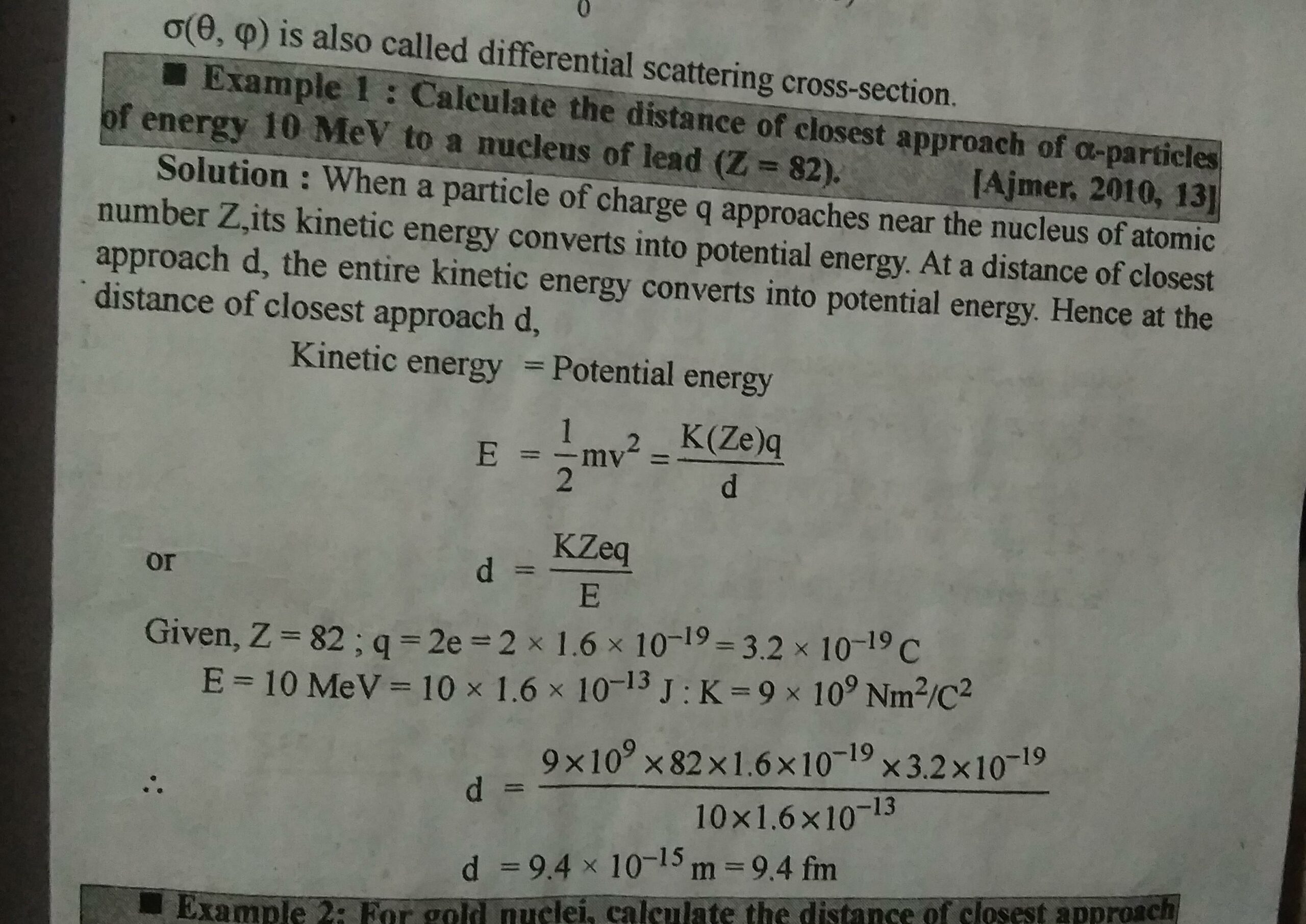
Is nuclear physics hard to learn?

Definition of Nuclear Physics Nuclear physics is a specialized branch of physics focused on studying the components and interactions within atomic nuclei. It explores the behavior, structure, and forces that govern protons and neutrons-the nucleons-inside the nucleus. This field encompasses a wide range of phenomena including nuclear reactions, radioactive decay, and the fundamental forces that […]

Read More →

How is a nuclear weapon activated?

Definition of Nuclear Weapons Nuclear weapons are highly advanced military devices that harness the immense energy released from atomic nuclei to produce devastating explosions. These weapons operate based on the nuclear reactions of fission and fusion, which release extraordinary amounts of energy. Their activation involves complex scientific principles and engineering techniques that enable the controlled […]

Read More →

What prevents us from using graphene commercially?

Understanding Graphene Graphene is a single layer of carbon atoms arranged in a two-dimensional honeycomb lattice, renowned for its exceptional mechanical strength, electrical conductivity, and thermal properties. These remarkable characteristics position graphene as a transformative material with the potential to revolutionize numerous industrial sectors, including electronics, energy, and manufacturing. Production Challenges and Scalability The commercial […]

Read More →

If we can’t see them how can we tell what an atom looks like?

Understanding Atoms: The Invisible Foundations of Matter Atoms serve as the essential units composing all matter, yet their minuscule size-measured in picometers-renders them invisible to the unaided human eye. This invisibility raises fundamental questions: How can we determine the structure and characteristics of something we cannot see directly? Addressing these questions requires a combination of […]

Read More →

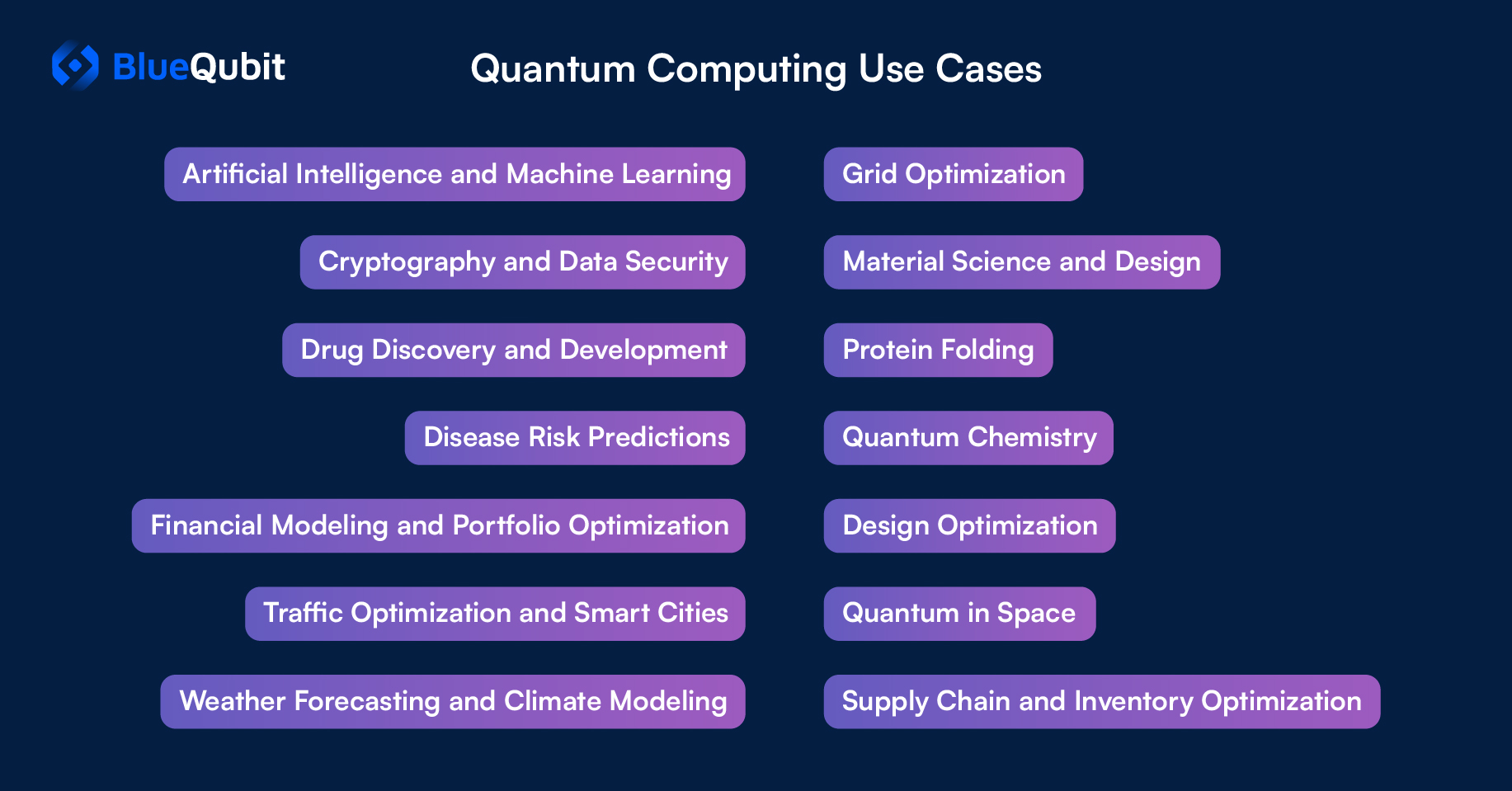
How can quantum physics improve our industries?

Definition of Quantum Physics and Its Industrial Impact Quantum physics is a sophisticated branch of physics that investigates the behavior of particles at the microscopic scale. This field has not only reshaped theoretical science but also profoundly influenced numerous industries. By exploring the fundamental principles of quantum mechanics, we uncover transformative applications that enhance sectors […]

Read More →

How is the MSc in medical physics at Amity Noida?

Definition of Medical Physics Medical physics is a specialized branch of science that merges principles of physics with medical applications to improve healthcare outcomes. It encompasses the study and application of physical concepts and technologies to diagnose, treat, and prevent diseases. This interdisciplinary field integrates knowledge from biophysics, radiation physics, computational modeling, and medical imaging […]

Read More →

How do fiber optics transmit data using light?

Definition of Fiber Optics Fiber optics refers to a cutting-edge technology used primarily in telecommunications that transmits data by guiding light through thin strands of glass or plastic. This method enables the transfer of information across vast distances with minimal signal degradation. The technology relies on the principles of light propagation, total internal reflection, and […]

Read More →

Can anyone make graphene in a tube?

Definition of Graphene Graphene is a remarkable material composed of a single atomic layer of carbon atoms arranged in a two-dimensional honeycomb lattice. This ultra-thin sheet exhibits extraordinary physical and chemical properties, making it a subject of intense scientific interest and technological innovation. Atomic Structure: A monolayer of carbon atoms tightly bonded in a hexagonal […]

Read More →

From which channel should I learn physical optics?

Definition of Physical Optics Physical optics is a branch of optics that examines light as a wave phenomenon. It focuses on understanding the complex behaviors of light, including interference, diffraction, polarization, and the fundamental characteristics of light beams as they interact with various materials. This field provides a deeper insight into the wave nature of […]

Read More →

A Global Venture: Collaborating for Science Without Borders

Definition of Science Without Borders “Science Without Borders” refers to the global collaboration among scientists that transcends national boundaries to address complex challenges and advance knowledge. This concept highlights the integration of intellectual resources worldwide, emphasizing the interconnected nature of scientific inquiry and the shared responsibility to solve universal problems. Global Collaboration: Scientists from different […]

Read More →