
Short Answer
Definition of Galaxy Simulations
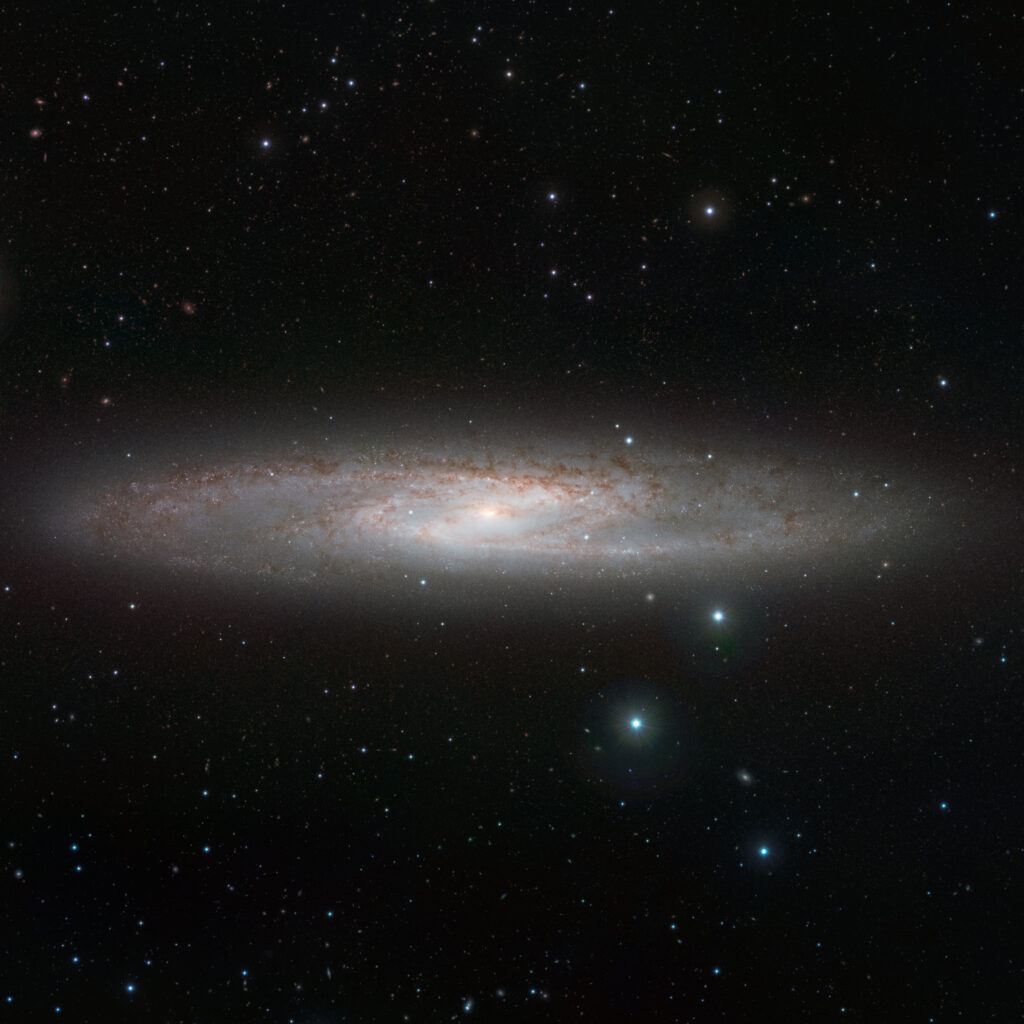
Galaxy simulations are advanced computational models designed to replicate the formation, evolution, and interactions of galaxies within the universe. These simulations integrate complex physical processes to create detailed visual and theoretical representations of galactic structures and dynamics, offering profound insights into cosmology and astrophysics.
- Purpose:
To understand the mechanisms driving galaxy formation and behavior by recreating cosmic phenomena in a virtual environment. - Scope:
Encompasses processes from star formation and gas dynamics to dark matter interactions and large-scale cosmic structures.
Historical Development of Computational Astrophysics
Over recent decades, computational astrophysics has undergone remarkable evolution. Initial galaxy models relied on basic gravitational calculations, but modern simulations now incorporate multifaceted algorithms that account for dark matter, gas physics, and stellar feedback. This progression has significantly enhanced the realism and accuracy of simulated galaxies.
- Early Models:
Focused primarily on gravitational forces between stars and galaxies. - Modern Techniques:
Utilize adaptive mesh refinement and N-body simulations to capture phenomena across multiple scales, from individual stars to galaxy clusters.
Visual Representations and Their Scientific Value
The graphical outputs generated by galaxy simulations are far more than artistic renderings; they encode critical scientific data. Variations in color, texture, and shape within these images reflect underlying physical conditions and evolutionary histories, enabling researchers to analyze how initial cosmic parameters influence galactic morphology.
- Primordial Universe Visualization:
Simulations recreate early density fluctuations that seeded galaxy formation. - Synthetic Galaxy Catalogs:
These catalogs serve as benchmarks for comparing theoretical predictions with actual astronomical observations.
Incorporation of Hydrodynamics and Star Formation
Integrating hydrodynamic processes into simulations has deepened understanding of star formation and the behavior of interstellar matter. The complex interaction between gravitational forces and thermal dynamics within gas clouds is essential for modeling star formation rates and efficiencies across diverse galactic environments.
- Gas Cloud Dynamics:
Simulations explore how factors like galactic shear and tidal forces influence star birth. - Addressing Observational Gaps:
Discrepancies between predicted and observed star formation rates are investigated through detailed environmental modeling.
Galaxy Interactions and Mergers
Simulations also focus on the dynamic interactions between galaxies, which are fundamental to hierarchical models of cosmic structure formation. By modeling galactic collisions, researchers gain insights into morphological changes, bursts of star formation, and the behavior of supermassive black holes at galactic centers.
- Morphological Transformations:
Simulated mergers reveal features such as tidal tails and ring structures. - Comparative Observations:
Results are validated against telescope data from instruments like Hubble and ALMA.
The Role of Dark Matter in Galaxy Formation
Dark matter, an invisible yet dominant component of the universe’s mass, is a critical focus in galaxy simulations. These models investigate how dark matter halos create gravitational wells that guide the accumulation of baryonic matter, shaping galaxy formation and stability.
- Dark Matter Halos:
Serve as the gravitational framework for visible galactic structures. - Advanced Physics:
Recent simulations include interactions between dark matter and normal matter to explain phenomena like galaxy rotation curves.
Testing Hypotheses Through Simulations
Galaxy simulations provide a controlled environment for astrophysicists to test theoretical predictions by comparing simulated outcomes with empirical data. This iterative process refines understanding of cosmic phenomena and addresses longstanding puzzles in cosmology.
- Missing Satellite Problem:
Simulations help evaluate discrepancies between predicted and observed numbers of satellite galaxies. - Parameter Variation:
Adjusting simulation inputs allows researchers to identify key physical mechanisms influencing galaxy formation.
Cosmological Scale Applications
Beyond individual galaxies, simulation frameworks extend to modeling the large-scale structure of the universe. These large-volume simulations reconstruct the cosmic web, exploring the influence of dark energy and predicting the long-term evolution of cosmic structures.
- Cosmic Web Reconstruction:
Simulations map the interconnected filaments and clusters that compose the universe’s large-scale architecture. - Dark Energy Models:
Researchers assess how different dark energy scenarios affect cosmic acceleration and the fate of galaxy clusters.
Significance of Galaxy Simulations
The advancements in galaxy simulation technology represent a pivotal leap in astrophysical research. By combining detailed visualizations with comprehensive theoretical models, these simulations enhance our grasp of the universe’s complexity. They enable scientists to probe cosmic phenomena at unprecedented depths, bridging the gap between observation and theory, and paving the way for future discoveries in cosmology.
FAQ
What are galaxy simulations?
Galaxy simulations are advanced computational models that replicate the formation, evolution, and interactions of galaxies, providing insights into astrophysics and cosmology.
Why are galaxy simulations important?
They help researchers understand the mechanisms of galaxy formation and cosmic phenomena, bridging the gap between observation and theory.
What role does dark matter play in galaxy simulations?
Dark matter is crucial as it helps shape galaxy structures through gravitational interactions, influencing the formation and stability of galaxies.


Leave a Reply