
Short Answer
Definition of Astronomy and Its Philosophical Dimensions
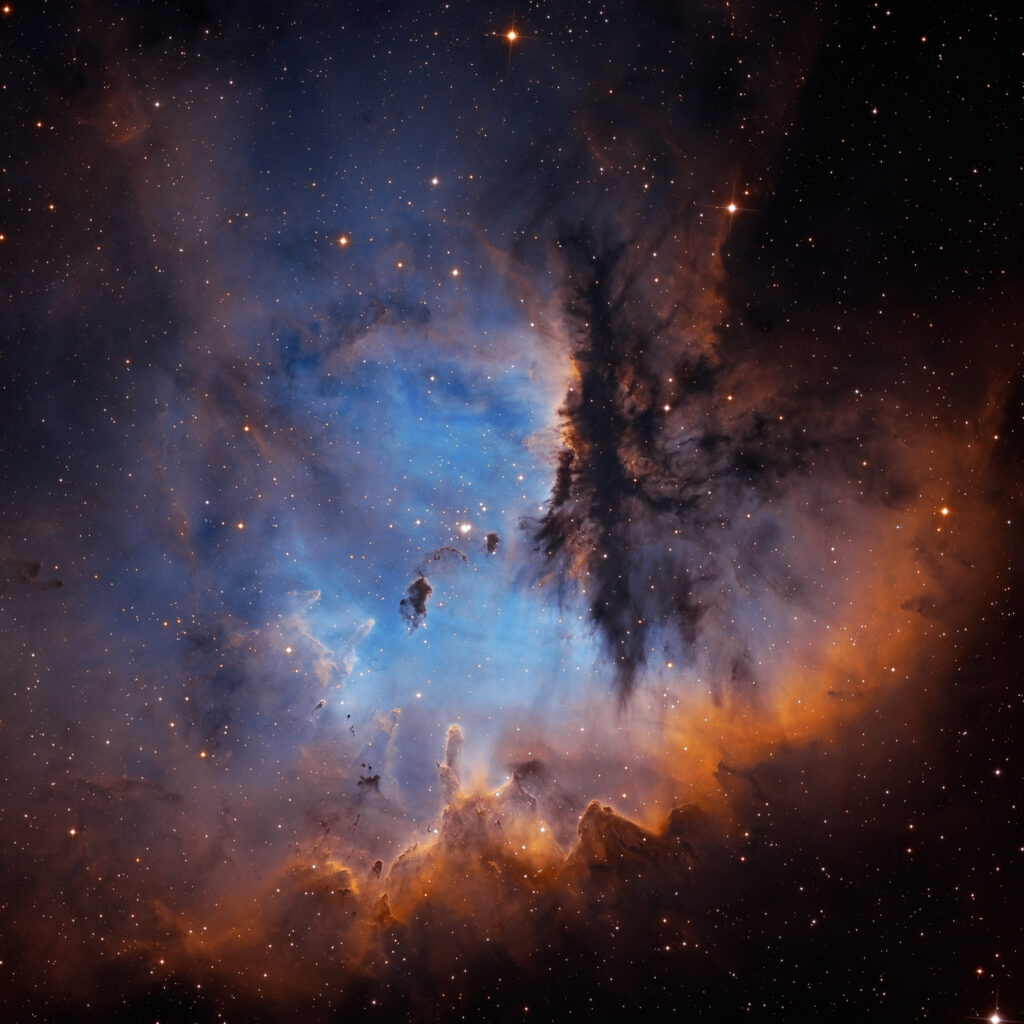
Astronomy is the scientific study of celestial objects, space, and the universe as a whole, grounded in systematic observation and empirical evidence. Beyond its scientific scope, astronomy has historically inspired profound philosophical and spiritual reflections. The grandeur of stars, galaxies, and cosmic phenomena often evokes a sense of wonder and contemplation about humanity’s place in the vast cosmos. This intersection of empirical science and metaphysical thought can be likened to a “Divine Comedy in the Cosmos,” where the universe is perceived as a grand narrative blending scientific reality with theological and philosophical insights, reminiscent of Dante Alighieri’s literary masterpiece.
Emotional and Cultural Significance of the Night Sky
The night sky, adorned with countless luminous stars, has long stirred deep emotional responses across cultures and ages. From childhood curiosity to professional astronomical research, the visible universe acts as a portal to existential questions about origins, purpose, and the unknown. This celestial canvas has served as a source of inspiration and spiritual connection worldwide.
- Ancient Navigation and Spirituality:
Stars have historically guided travelers and sailors, while also symbolizing divine presence in many cultures. - Cultural Alignments:
Structures like Mesopotamian ziggurats and Incan observatories were designed to align with celestial events, reflecting humanity’s desire to harmonize with cosmic rhythms.
Scientific Exploration of the Universe’s Origins
Modern astronomy has unveiled remarkable insights into the universe’s beginnings and evolution. The Big Bang theory, which estimates the universe’s inception at approximately 13.8 billion years ago, describes a monumental expansion event that set the cosmic stage. This scientific framework does not exclude metaphysical interpretations; rather, it enriches them by revealing the complex interplay of time, space, and matter.
- Relativity and Cosmic Order:
Einstein’s theories transformed our understanding of time and space, portraying the universe as a dynamic, interconnected system governed by elegant physical laws. - Cosmic Phenomena:
Observations of black holes, gamma-ray bursts, and other enigmatic events challenge existing knowledge and invite philosophical inquiry into the nature of reality.
The Quest for Extraterrestrial Life and Its Implications
The immense scale of the cosmos fuels speculation about the existence of life beyond Earth. The discovery of exoplanets within habitable zones intensifies this curiosity, raising profound questions about humanity’s uniqueness and cosmic role.
- Scientific Search:
Advanced telescopes and space missions actively seek signs of life, expanding our understanding of potential biospheres. - Philosophical Reflections:
The possibility of extraterrestrial intelligence prompts reevaluation of human identity and the broader cosmic narrative.
Human Responsibility and Cosmic Stewardship
Contemplating the universe’s vastness highlights Earth’s fragility and the imperative for responsible stewardship. Environmental challenges such as climate change and resource depletion underscore the need to align human actions with the broader cosmic harmony.
- Environmental Ethics:
Recognizing Earth’s uniqueness within the cosmos encourages sustainable practices and global cooperation. - Cosmic Narrative:
The metaphor of a “Divine Comedy” serves as a reminder that human stories are integral to the universe’s unfolding drama.
Technological Advances and Their Role in Cosmic Understanding
Technological innovations have revolutionized our ability to observe and comprehend the universe. Instruments like the Hubble Space Telescope have provided breathtaking images and data, while exploratory missions to Mars and beyond open new frontiers.
- Enhanced Observation:
Modern telescopes reveal intricate details of distant galaxies, nebulae, and cosmic events. - Space Exploration:
Robotic and manned missions deepen our knowledge and provoke ethical and philosophical considerations about humanity’s future in space.
Why the Intersection of Astronomy and Metaphysics Matters
The fusion of astronomical science with metaphysical inquiry enriches our understanding of existence. It transforms the universe from a mere collection of celestial bodies into a profound narrative of creation, purpose, and interconnectedness. This holistic perspective encourages ongoing dialogue between empirical evidence and spiritual reflection, fostering a deeper appreciation of both the cosmos and ourselves.
Common Misconceptions About Astronomy and Its Spiritual Dimensions
Astronomy is purely a scientific discipline with no room for philosophical or spiritual interpretation.
While grounded in empirical methods, astronomy has historically inspired and continues to inspire profound metaphysical and existential reflections.
The universe is a random, meaningless expanse.
Many philosophical and theological perspectives view the cosmos as an ordered, purposeful creation, inviting deeper inquiry into its meaning.
Real-World Examples Illustrating Astronomy’s Broader Impact
Throughout history, astronomical observations have influenced culture, religion, and science:
- Mesopotamian Astronomy:
Early civilizations used star charts for agriculture and religious ceremonies, linking celestial events to earthly life. - Modern Space Missions:
Projects like the Mars rovers and the James Webb Space Telescope expand our cosmic horizons and challenge humanity’s understanding of life and existence.
FAQ
What is astronomy?
Astronomy is the scientific study of celestial objects, space, and the universe as a whole, based on systematic observation and empirical evidence.
How does astronomy relate to spirituality and metaphysics?
Astronomy often inspires philosophical and spiritual reflections, blending empirical scientific knowledge with metaphysical inquiries about existence, purpose, and the cosmos.
What are some ancient ways astronomy influenced human culture?
Ancient civilizations used astronomy for navigation, agriculture, and religious ceremonies, aligning structures with celestial events to harmonize with cosmic rhythms.
Why is the search for extraterrestrial life important?
The search challenges our understanding of humanity’s uniqueness and prompts philosophical reflection on our place in the universe.
How do technological advances impact our understanding of the cosmos?
Technological innovations like advanced telescopes and space missions enable more detailed observations and deeper exploration of the universe.


Leave a Reply