
Short Answer
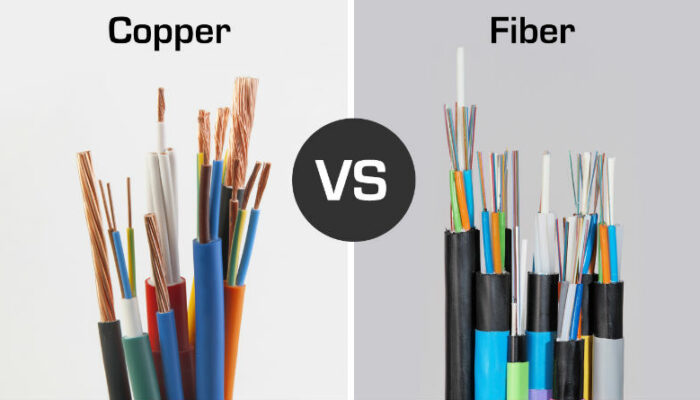
Definition of Copper and Fiber Optic Cables
In telecommunications and data transmission, copper and fiber optic cables serve as primary conduits for signal transfer, each with distinct physical properties and operational mechanisms.
- Copper Cables:
Comprised of conductive metal wires, copper cables transmit electrical signals and have historically been the backbone of telecommunication networks due to their reliability and ease of use. - Fiber Optic Cables:
Constructed from thin strands of glass or plastic, fiber optic cables transmit data through light pulses, enabling faster speeds and higher bandwidth capacities compared to copper.
Cost Structure and Initial Investment
When evaluating the financial aspects of copper versus fiber optic cables, the upfront expenses often influence decision-making, but these costs reflect only part of the overall picture.
- Copper Cable Costs:
Copper cables generally have a lower initial price due to the widespread availability of copper and simpler manufacturing processes. Installation tends to be less complex, requiring fewer specialized skills, which can reduce labor costs and accelerate deployment. - Fiber Optic Cable Costs:
The initial price of fiber optic cables is typically higher, attributed to the sophisticated production techniques and premium materials involved. Installation may also demand specialized expertise and equipment, contributing to increased upfront expenditure.
Long-Term Value and Maintenance Considerations
Beyond initial costs, the total cost of ownership encompasses maintenance, durability, and operational efficiency over time.
- Durability and Reliability:
Fiber optic cables exhibit superior resistance to electromagnetic interference (EMI), corrosion, and environmental wear, resulting in fewer repairs and replacements compared to copper cables, which are prone to signal degradation and physical deterioration. - Maintenance Expenses:
The robust nature of fiber optics translates into lower ongoing maintenance costs, whereas copper infrastructure often requires more frequent servicing to maintain performance standards.
Performance and Scalability in Data Transmission
The evolving demands of data consumption highlight the performance disparities between copper and fiber optic technologies.
- Bandwidth Capacity:
Fiber optic cables support significantly higher data rates, making them ideal for environments with escalating bandwidth needs such as cloud computing, streaming, and remote work. - Limitations of Copper:
Copper cables face inherent constraints in data transmission speed and distance, often necessitating costly upgrades to meet growing network demands. - Scalability:
Fiber optics offer greater scalability, allowing networks to expand without frequent infrastructure overhauls, thereby optimizing long-term investment.
Energy Efficiency and Environmental Impact
Energy consumption differences between copper and fiber optic cables have implications for operational costs and sustainability goals.
- Energy Usage:
Copper cables require more electrical power due to resistance in the metal conductors, increasing utility expenses. - Fiber Optic Efficiency:
Utilizing light for data transmission, fiber optics consume less energy, contributing to reduced operational costs and a smaller carbon footprint. - Environmental Considerations:
Organizations prioritizing eco-friendly technologies may favor fiber optics to align with sustainability initiatives and reduce environmental impact.
Market Trends and Technological Advancements
The telecommunications industry is influenced by evolving market demands and technological progress, shaping the cost dynamics of cable infrastructure.
- Demand for High-Speed Connectivity:
The global push for faster internet and 5G networks has accelerated investments in fiber optic infrastructure, driving down prices through economies of scale. - Supply and Demand Effects:
Increased adoption of fiber optics enhances production efficiency and market competition, further improving cost-effectiveness over time. - Legacy Infrastructure Challenges:
Regions with established copper networks may face higher transition costs to fiber optics, affecting the overall economic feasibility of upgrades.
Application-Specific Considerations
The suitability of copper or fiber optic cables varies depending on the specific use case and environmental context.
- Short-Distance and Low-Bandwidth Uses:
Copper cables can be sufficient for intra-building connections or small networks with limited data requirements, offering a cost-effective solution. - High-Bandwidth and Future-Proofing:
For applications demanding high data throughput and future scalability, fiber optics provide a more advantageous investment despite higher initial costs. - Geographical and Infrastructure Factors:
Urban developments with new infrastructure are more conducive to fiber optic installation, whereas rural or legacy systems may rely on copper due to existing setups.
Summary: Evaluating Cost Beyond Initial Price
Determining whether copper cables are more economical than fiber optics requires a comprehensive analysis that extends beyond upfront expenses. While copper may appear less costly initially, fiber optic cables offer enhanced longevity, superior performance, energy efficiency, and adaptability to future technological demands. Decision-makers should adopt a holistic approach, weighing installation costs against long-term benefits such as reduced maintenance, scalability, and environmental impact. This strategic perspective ensures investments align with the evolving landscape of telecommunications and data transmission.
FAQ
Are copper cables cheaper than fiber optic cables?
Copper cables have lower initial costs but higher maintenance and energy costs over time, whereas fiber optic cables require a higher upfront investment but provide better long-term value.
Which cable offers better performance for data transmission?
Fiber optic cables provide higher bandwidth and faster speeds, making them better suited for modern high-demand networks.
Is fiber optic installation more complex than copper?
Yes, fiber optic installation typically requires specialized skills and equipment, contributing to higher initial costs.
What environmental advantages do fiber optic cables have over copper?
Fiber optic cables consume less energy and have a smaller carbon footprint due to their efficient light-based data transmission.





Leave a Reply