
Short Answer
Definition and Origin of the Moon
The moon is Earth’s natural satellite, orbiting our planet and serving as a luminous presence in the night sky. Far from being a mere decorative feature, it symbolizes the complex gravitational interactions that govern celestial bodies within our solar system. Its light not only brightens Earth but also contributes to a network of illumination that connects various objects in space.
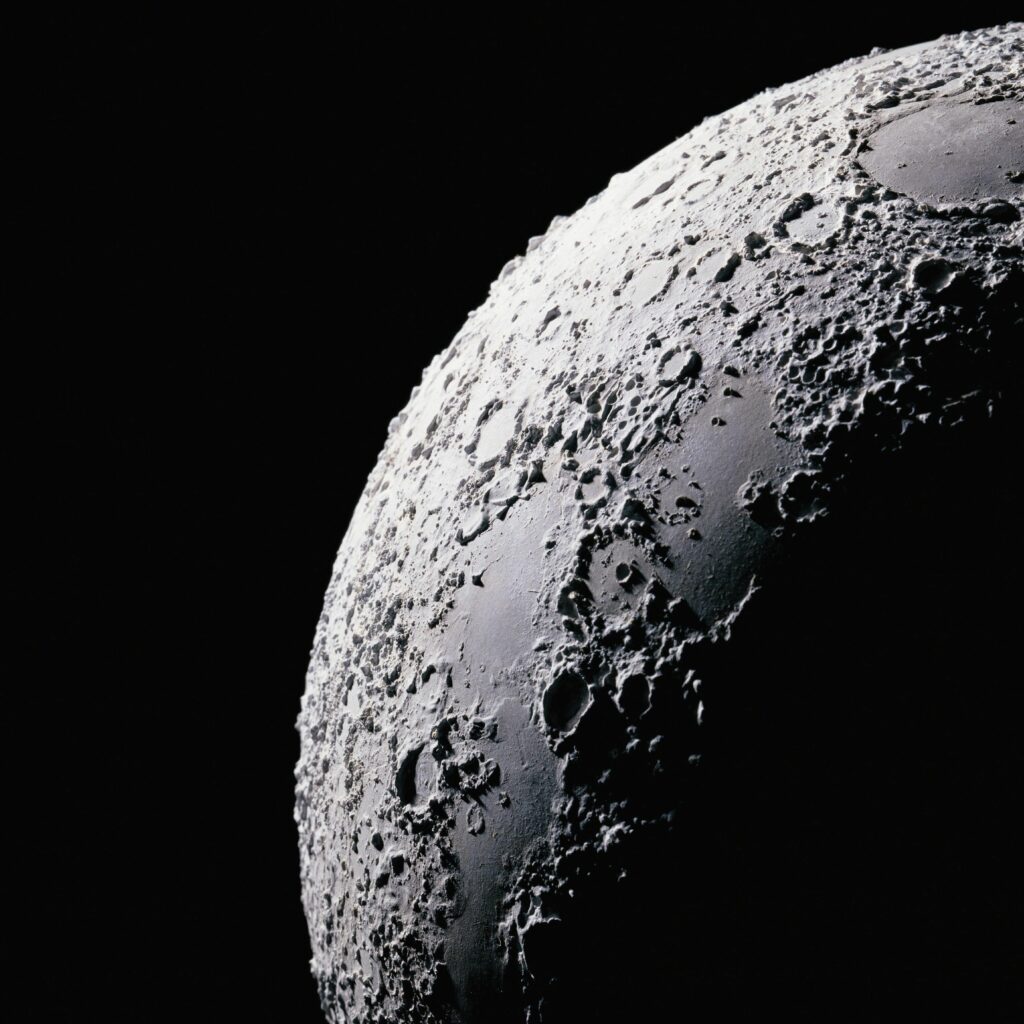
The moon’s formation traces back to a dramatic event approximately 4.5 billion years ago, when a Mars-sized protoplanet collided with the early Earth. This colossal impact ejected debris that eventually coalesced to form the moon. Since its inception, the moon has undergone significant changes, shaped by volcanic activity and relentless meteoroid impacts, which have left it with a rugged and cratered surface that tells a story of both destruction and endurance.
Physical Characteristics and Surface Evolution
Over billions of years, the moon’s surface has been sculpted by external forces. Meteoritic bombardments have created numerous craters, while ancient volcanic eruptions have formed vast plains known as maria. These geological processes have contributed to the moon’s distinctive appearance, marked by contrasts between dark basaltic regions and lighter highlands. This evolving landscape reflects the moon’s dynamic history and its ongoing interaction with the space environment.
The Moon’s Illumination and Symbolism
The moon shines by reflecting sunlight, creating a captivating interplay of light and shadow that changes cyclically through its phases. During the waning phase, the moon’s dimming light often evokes feelings of melancholy or farewell, whereas the waxing phase symbolizes renewal and hope. This rhythmic transformation serves as a metaphor for the cycles of life, inspiring philosophical reflection on themes of growth, decay, and rebirth. Thus, the moon acts as a celestial mirror, inviting observers to contemplate their own existence within the vast universe.
Gravitational Influence and Earthly Effects
Beyond its visual appeal, the moon exerts a profound gravitational influence on Earth. Its pull stabilizes our planet’s axial tilt, which is crucial for maintaining relatively stable climate patterns over geological timescales. This stability has been essential for the development and sustenance of life. Additionally, the moon’s gravity drives ocean tides, creating rhythmic rises and falls that exemplify the interconnectedness of celestial mechanics and terrestrial phenomena.
Role of the Moon in the Solar System
The moon’s impact extends beyond Earth, influencing the broader solar system. From the perspective of Mars, for example, its two small moons, Phobos and Deimos, traverse the sky, albeit with far less brightness and grandeur than Earth’s moon. These Martian satellites participate in the gravitational choreography that shapes their planetary environment, highlighting the diverse roles moons play across different worlds.
Moons of Jupiter and Their Significance
Jupiter’s Galilean moons-Io, Europa, Ganymede, and Callisto-are prominent examples of moons that contribute to the complexity of their planetary system. Each exhibits unique geological and potentially astrobiological characteristics. Europa, with its icy surface concealing a subsurface ocean, is a prime candidate in the search for extraterrestrial life. These moons demonstrate how reflected and emitted light from satellites enriches our understanding of planetary systems and their potential for harboring life.
Astrobiological Importance of Moons
Moons are increasingly recognized as key players in the quest to understand habitability beyond Earth. Their ability to reflect light and influence planetary environments may create conditions conducive to life, especially when located within the habitable zones of their stars. This expands the scope of astrobiology, positioning moons as potential habitats or indicators of life-supporting environments in distant solar systems.
Cultural and Anthropological Perspectives
Throughout human history, the moon has held profound cultural significance. It has inspired myths, religious beliefs, artistic expressions, and literary works across civilizations. Often revered as a deity or symbol, the moon embodies humanity’s enduring fascination with the cosmos and the mysteries it holds. Its changing phases have been woven into narratives about love, loss, and the pursuit of knowledge, making it a timeless emblem of human aspiration and wonder.
Future Exploration and Utilization
As space exploration advances, the moon’s role is poised to expand. Current and planned missions aim to establish a sustained human presence on its surface, potentially transforming it into a hub for scientific research and a launchpad for deeper space missions. The prospect of utilizing lunar resources, such as minerals and water ice, could redefine the moon’s importance within the solar system and support humanity’s long-term space ambitions.
Conclusion: The Moon’s Enduring Cosmic Role
The moon’s light and gravitational presence are integral components of a vast celestial network. It not only illuminates Earth but also resonates across the solar system, influencing neighboring bodies and symbolizing cosmic interconnectedness. As both a scientific subject and a source of inspiration, the moon continues to captivate our imagination and deepen our understanding of the universe, standing as a luminous testament to the harmony and complexity of celestial dynamics.
FAQ
What is the moon's primary role in Earth's environment?
The moon stabilizes Earth’s axial tilt and influences ocean tides, contributing to stable climate patterns.
How does the moon's light affect cultural perspectives?
The moon has inspired myths, religious beliefs, and artistic expressions, symbolizing themes of love, loss, and human aspiration.


Leave a Reply