
Short Answer
Overview of ESA and NASA in Space Exploration
Within the realm of space exploration, the European Space Agency (ESA) has traditionally been viewed as a secondary player compared to the dominant presence of NASA. For many years, NASA has led the charge with landmark achievements such as lunar missions, the development of the International Space Station, and numerous pioneering projects that have captured global attention. However, recent developments suggest that ESA may be poised to challenge NASA’s supremacy in the near future. This possibility invites a comprehensive analysis of factors including technological advancements, geopolitical influences, funding structures, and visionary goals that collectively shape the future of space exploration.
Definition and Structure of ESA
ESA is a unique intergovernmental organization composed of 22 member countries, each contributing resources, expertise, and strategic direction. Unlike NASA, which operates as a national agency for the United States, ESA functions as a collaborative consortium, fostering multinational cooperation in space science and technology.
- Multinational Collaboration:
ESA’s federated model promotes shared decision-making and resource pooling among member states, enabling a diverse and diplomatic approach to space missions. - Mission Philosophy:
The agency emphasizes scientific research, technological innovation, and international partnerships, distinguishing its approach from NASA’s often unilateral initiatives.
Technological Innovations and Achievements
ESA has demonstrated significant technological capabilities, particularly in robotic space missions and satellite technology. Notable accomplishments include the Rosetta mission, which achieved the historic first landing of a probe on a comet, providing unprecedented insights into cometary composition and behavior.
- Robotic Exploration:
The Rosetta mission exemplifies ESA’s expertise in complex robotic operations beyond Earth orbit. - Satellite Systems:
ESA’s development of Earth observation satellites and the Galileo navigation system highlights its advanced technological infrastructure. - Launch Technology:
Programs like Ariane 6 focus on sustainable and reusable launch vehicles, reflecting ESA’s commitment to cost-effective and environmentally conscious space access.
Inclusivity and Social Progress in Spaceflight
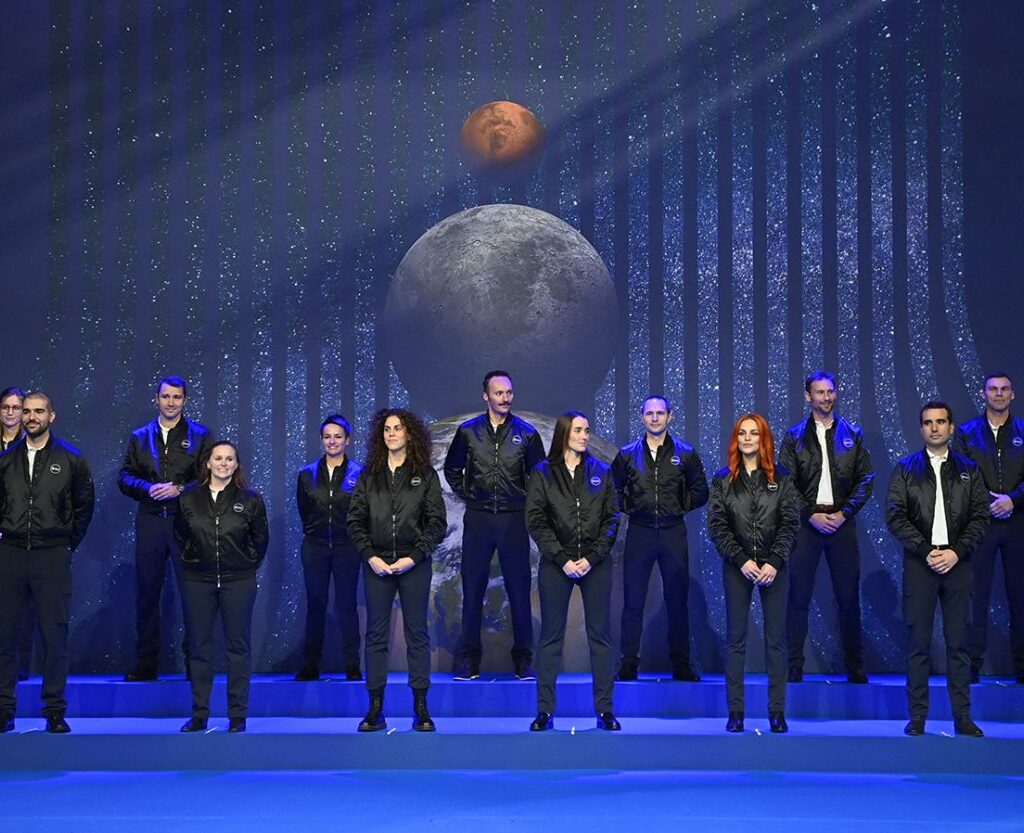
ESA is pioneering a more inclusive vision of human spaceflight, exemplified by its recent selection of the first “parastronaut” – an astronaut with physical disabilities. This initiative broadens the traditional concept of who can participate in space missions and promotes diversity within astronaut corps worldwide.
- Parastronaut Program:
Marks a significant step toward democratizing space travel and challenging conventional astronaut criteria. - Ethical Leadership:
ESA’s commitment to inclusivity positions it as a leader in integrating social values with scientific exploration.
Geopolitical Context and Strategic Positioning
The global landscape of space exploration is undergoing a transformation, with emerging powers and coalitions reshaping traditional dominance. ESA occupies a strategic position bridging continents and fostering cooperation between North America, Asia, and other regions.
- European Union Synergy:
ESA’s alignment with the EU’s expanding space ambitions enhances its geopolitical influence. - Global Collaboration:
ESA’s multinational framework supports a collective approach to space exploration, moving beyond the era of single-nation supremacy.
Funding Models and Organizational Resilience
ESA’s funding derives from the combined contributions of its member states, contrasting with NASA’s direct federal budget allocations. This consortium-based financial structure offers both challenges and advantages.
- Distributed Funding:
Enables shared investment but requires consensus among diverse stakeholders. - Stability and Continuity:
The pooled funding model can provide resilience against political fluctuations that sometimes disrupt NASA’s long-term projects.
Collaboration with the Private Sector
The rise of private aerospace companies such as SpaceX and Blue Origin has introduced new dynamics into space exploration. ESA has actively engaged with private partners to foster innovation and maintain competitiveness.
- Public-Private Partnerships:
ESA’s collaborations with commercial entities accelerate technological development and reduce costs. - Adaptive Strategy:
ESA’s coalition structure allows it to coordinate diverse stakeholders effectively, potentially outmaneuvering more centralized agencies.
Challenges Facing ESA’s Growth
Despite its strengths, ESA confronts significant obstacles that could impede its rise to prominence.
- Policy Harmonization:
Aligning the interests and priorities of 22 member states is complex and can slow decision-making. - Political Will:
Variability in national commitment may affect funding and project continuity. - Competition:
Other emerging space agencies and NASA’s entrenched infrastructure remain formidable competitors.
Future Outlook: ESA’s Potential to Surpass NASA
The future of space exploration is likely to be characterized by a network of collaborative and competitive entities rather than a single dominant agency. ESA’s integrative approach, combining technological innovation with a progressive social vision, positions it as a potential leader in this evolving landscape.
- Shift in Paradigms:
Moving from nationalistic space conquest to cooperative exploration. - Inclusive Representation:
Expanding astronaut diversity and redefining human spaceflight. - Disruptive Innovation:
Embracing sustainable technologies and adaptive strategies.
Significance of ESA’s Emerging Role
ESA’s trajectory reflects broader shifts in how humanity approaches space exploration. Its emphasis on multinational cooperation, ethical inclusivity, and technological advancement not only challenges NASA’s historical dominance but also enriches the global space community. This evolution underscores the importance of diverse leadership models in pushing the boundaries of human knowledge and presence beyond Earth.
Conclusion
The narrative of space exploration transcends competition between agencies; it is fundamentally about humanity’s collective journey beyond terrestrial confines. ESA’s progression from a supporting role to a potential frontrunner exemplifies this transition. By redefining leadership through collaboration, innovation, and inclusivity, ESA may not only rival NASA but also reshape the future of space exploration for generations to come.
FAQ
What is the European Space Agency?
The European Space Agency (ESA) is an intergovernmental organization dedicated to space exploration, composed of 22 member countries that collaborate on various space missions and research.
How does ESA's funding model differ from NASA's?
ESA’s funding comes from contributions made by its member states, while NASA is funded directly by the federal budget of the United States.
What are some of ESA's notable achievements?
ESA has achieved significant milestones, including the Rosetta mission, which successfully landed a probe on a comet, and the development of the Galileo navigation system.
How is ESA promoting inclusivity in space exploration?
ESA is promoting inclusivity by selecting astronauts with physical disabilities, such as the first ‘parastronaut,’ to broaden participation in space missions.






Leave a Reply