

Short Answer
Definition of Sea Ice and Ocean Waves
Sea ice is a frozen layer of seawater that forms primarily in polar regions, playing a crucial role in Earth’s climate system. It acts as a thermal barrier between the ocean and the atmosphere, helping to regulate temperature and influence oceanic circulation. Additionally, sea ice provides essential habitats for numerous marine organisms and bird species. Ocean waves, on the other hand, are surface oscillations generated mainly by wind energy. These waves can grow to significant heights, especially during storms, and carry energy across vast oceanic distances, impacting coastal and marine environments.
Formation and Importance of Sea Ice
Sea ice originates when seawater freezes under cold polar conditions. This ice cover is vital for maintaining the balance of Earth’s climate by insulating the ocean from cold air temperatures and moderating heat exchange. It also supports biodiversity by offering shelter and breeding grounds for species such as seals, polar bears, and seabirds. However, rising global temperatures threaten the integrity and persistence of sea ice, leading to thinner and less stable ice formations.
Characteristics and Dynamics of Ocean Waves
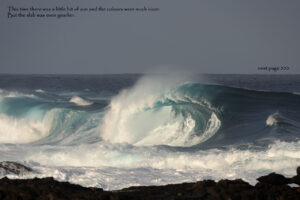
Ocean waves are generated by the transfer of wind energy to the water surface, creating rhythmic movements that can travel thousands of kilometers. The energy contained in waves depends on their height and velocity, with larger, faster waves possessing greater kinetic energy. These powerful waves can reshape marine landscapes and influence the physical state of sea ice when they interact.
Interaction Between Big Waves and Sea Ice
The interplay between large ocean waves and sea ice is a developing field of study, revealing complex physical processes. When energetic waves encounter sea ice, they exert substantial forces that can fracture, displace, or even pulverize the ice. This effect is particularly pronounced during seasonal transitions when the ice is thinner and more vulnerable. The mechanical stress from waves accelerates ice break-up and thinning, contributing to the destabilization of polar ice ecosystems.
Wave-Induced Ice Breakup Mechanism
The kinetic energy of waves increases with both amplitude and speed, enabling them to penetrate and weaken ice sheets. This process can lead to fragmentation, where large ice floes break into smaller pieces, increasing the surface area exposed to melting. The resulting ice fragmentation not only reduces ice thickness but also alters the physical properties of the ice cover, making it more susceptible to further wave action and environmental stressors.
Feedback Loops and Climate Implications
The reduction of sea ice due to wave activity initiates a feedback cycle that exacerbates climate warming. As ice diminishes, more open ocean surface is exposed, which absorbs greater amounts of solar radiation compared to reflective ice. This absorption increases ocean temperatures, further accelerating ice melt. The feedback loop intensifies warming trends and contributes to the ongoing decline of polar ice coverage, with significant consequences for global climate regulation.
Ecological Consequences of Sea Ice Loss
The degradation of sea ice driven by wave action has profound effects on polar ecosystems. Species dependent on ice habitats, such as seals, polar bears, and certain seabirds, face habitat loss and altered distribution patterns. These ecological shifts can disrupt food webs and threaten biodiversity. Furthermore, Indigenous communities that rely on these species for subsistence and cultural practices may experience adverse impacts, highlighting the socio-ecological importance of maintaining stable ice environments.
Broader Environmental and Oceanographic Effects
Beyond local ecological impacts, the erosion of sea ice influences global sea levels and ocean circulation. Melting ice shelves contribute freshwater to the ocean, potentially disrupting major currents that regulate weather and climate worldwide. Changes in wave dynamics due to reduced ice cover can lead to wave amplification, increasing the intensity of wave activity and further stressing polar environments. These interconnected processes underscore the complexity of Earth’s climate system and the far-reaching effects of sea ice loss.
Hydrodynamic Interactions Between Waves and Ice
The presence of sea ice modifies wave behavior by imposing boundary conditions that affect wave energy dissipation. When ice cover decreases, frictional resistance lessens, allowing waves to grow in size and energy-a phenomenon known as wave amplification. This enhanced wave activity poses additional risks to the stability of remaining ice and coastal infrastructure, emphasizing the need to understand hydrodynamic feedbacks in polar regions.
Research and Mitigation Strategies
Understanding the dynamic relationship between large ocean waves and sea ice is critical for developing effective climate adaptation and mitigation policies. Ongoing research aims to model these interactions accurately, integrating findings into climate forecasts and resource management plans. Addressing this challenge requires interdisciplinary collaboration among climate scientists, marine biologists, and engineers to design resilient systems capable of coping with rapid environmental changes.
Significance and Future Outlook
The interaction between big waves and sea ice represents a vital area of climate science with significant implications for marine ecosystems and global climate patterns. As climate change progresses, the complexities of this relationship will become increasingly important to monitor and understand. Protecting polar environments and the communities that depend on them hinges on advancing our knowledge and developing adaptive strategies to mitigate the impacts of these evolving natural phenomena.
FAQ
What is sea ice and why is it important?
Sea ice is frozen seawater covering polar oceans that regulates Earth's climate and provides habitat for polar species.
How do ocean waves interact with sea ice?
Ocean waves transfer kinetic energy that can fracture, displace, and thin sea ice, especially during seasonal changes.
What are the consequences of wave-induced sea ice loss?
Loss of sea ice leads to habitat destruction, ecosystem disruption, and contributes to global climate change through feedback loops.
What research is ongoing to address these issues?
Scientists study wave-ice dynamics to improve climate models and develop adaptation and mitigation strategies.



Leave a Reply