
Short Answer
Understanding Infrared Light in Astronomy
When we look up at the night sky, the sparkling stars and far-off galaxies inspire wonder. However, the universe extends well beyond the visible light our eyes can detect. Hidden beneath the familiar starlight is a vast spectrum of radiation known as infrared light, which unveils cosmic secrets that have dramatically reshaped our comprehension of the cosmos. But can telescopes, traditionally designed to capture visible light, detect this infrared radiation? The answer involves a fascinating blend of advanced technology, innovative astronomy, and a transformative approach to exploring the universe.
Definition of Infrared Light and Its Place in the Electromagnetic Spectrum
Infrared light is a form of electromagnetic radiation with wavelengths longer than visible red light but shorter than microwaves. It spans roughly from 700 nanometers (nm) to 1 millimeter (mm) in wavelength, placing it just beyond the range perceivable by the human eye.
- Electromagnetic Spectrum:
This spectrum includes all types of electromagnetic radiation, from high-energy gamma rays to low-energy radio waves. Visible light occupies only a small portion, with infrared lying immediately beyond the red end. - Infrared Characteristics:
Infrared radiation is invisible to humans but can be detected as heat, as many objects emit infrared light based on their temperature.
Challenges in Observing Infrared Light from Earth
Detecting infrared radiation from celestial sources is complicated by Earth’s atmosphere, which absorbs and scatters much of this radiation. Water vapor and other atmospheric gases create a barrier that reduces the clarity and intensity of infrared signals reaching ground-based telescopes.

- Atmospheric Absorption:
Water vapor and carbon dioxide absorb significant portions of infrared light, limiting ground observations. - Thermal Emission:
The Earth and telescope components themselves emit infrared radiation, which can interfere with detecting faint cosmic sources.
Specialized Infrared Telescopes: Design and Technology
To overcome these obstacles, astronomers have developed infrared telescopes with unique features tailored to capture infrared light effectively.
Infrared Detectors
Unlike traditional optical telescopes that use photographic plates or charge-coupled devices (CCDs) optimized for visible light, infrared telescopes employ detectors made from materials sensitive to infrared wavelengths. Common materials include indium antimonide (InSb) and mercury cadmium telluride (HgCdTe), which convert incoming infrared photons into electrical signals for analysis.
Cooling Systems
Infrared detectors must be cooled to extremely low temperatures, often near absolute zero, to minimize their own thermal emissions that could mask faint astronomical signals. Cryogenic cooling methods, such as liquid helium or mechanical coolers, are employed to achieve this artificial cold environment.
Telescope Optics and Structure
Infrared telescopes feature mirrors coated with materials that efficiently reflect infrared light. Additionally, their structural design minimizes absorption and thermal emission by using lightweight materials and specialized baffling to reduce stray heat, enhancing sensitivity.
How Infrared Telescopes Work
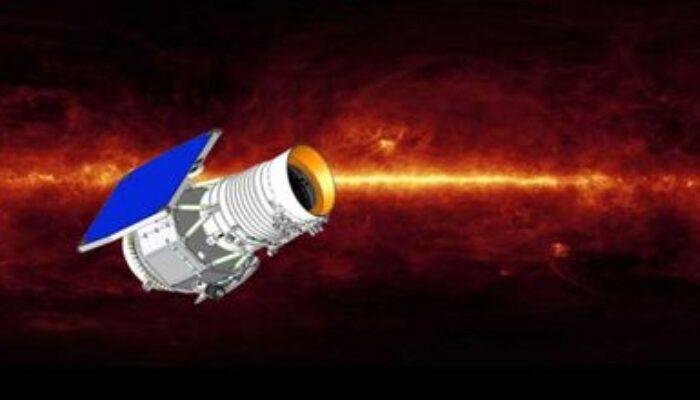
Infrared telescopes collect longer-wavelength photons that are invisible to the human eye. The incoming infrared radiation is focused by the telescope’s mirrors onto the sensitive detectors. These detectors then convert the infrared photons into electrical signals, which are processed to create images or spectra of celestial objects. Cooling the detectors reduces noise from thermal emissions, allowing the telescope to detect faint infrared sources with high precision.
Applications and Importance of Infrared Astronomy
Infrared observations provide unique insights into regions and phenomena obscured in visible light, significantly advancing our understanding of the universe.
Peering Through Cosmic Dust
Infrared light can penetrate dense clouds of cosmic dust that block visible light, enabling astronomers to observe stellar nurseries where new stars form and the centers of galaxies often hidden behind dust.
Studying Exoplanets and Planet Formation
Young planets and protoplanetary disks emit primarily in the infrared spectrum. Infrared telescopes are essential for investigating these objects, shedding light on planetary formation and characteristics.
Exploring the Early Universe
Space-based infrared observatories, free from atmospheric interference, have revealed unprecedented details about the early universe, star formation, and galactic evolution. Notable missions include the Spitzer Space Telescope and the James Webb Space Telescope.
Deployment Strategies for Infrared Telescopes
To maximize infrared observation capabilities, astronomers position telescopes in locations that minimize atmospheric interference.
- High-Altitude Observatories:
Sites like Mauna Kea in Hawaii and the Atacama Desert in Chile offer thin, dry air that absorbs less infrared radiation. - Space-Based Telescopes:
Orbiting observatories bypass atmospheric absorption entirely, providing the clearest infrared views possible.
Data Processing and Calibration in Infrared Astronomy
Infrared observations require careful calibration to account for background radiation from the telescope, Zodiacal light, and the cosmic infrared background. Advanced data processing techniques isolate the faint signals from celestial sources, ensuring accurate scientific results.
Common Misconceptions About Infrared Telescopes
Infrared telescopes are just optical telescopes with minor modifications.
Infrared telescopes require fundamentally different detectors, cooling systems, and structural designs to effectively capture infrared radiation.
Infrared light can be easily observed from any location on Earth.
Earth’s atmosphere absorbs much of the infrared spectrum, necessitating high-altitude or space-based observatories for clear detection.
Significance of Infrared Telescopes in Modern Astronomy
Infrared telescopes have revolutionized our ability to explore the universe beyond visible light. By unveiling hidden regions and phenomena, they have expanded our cosmic perspective, deepening our understanding of star formation, galaxy evolution, and planetary systems. This technological leap not only enriches scientific knowledge but also inspires curiosity about the unseen realms of the cosmos, highlighting the intricate and dynamic nature of the universe.


Leave a Reply