
Short Answer
Definition
The combined study of astrophysics and artificial intelligence (AI) represents a cutting-edge interdisciplinary field that merges the exploration of cosmic phenomena with advanced computational techniques. Astrophysics is the branch of science focused on understanding the physical properties and behaviors of celestial bodies and the universe at large. Artificial intelligence, on the other hand, involves the development of algorithms and systems capable of performing tasks that typically require human intelligence, such as pattern recognition, data analysis, and decision-making.
- Astrophysics:
The scientific discipline dedicated to studying the universe’s structure, origin, and evolution through observation and theoretical modeling. - Artificial Intelligence:
A branch of computer science that designs intelligent systems capable of learning from data and making autonomous decisions.
Significance of Integrating Astrophysics and AI
The fusion of astrophysics with AI is revolutionizing how scientists approach cosmic research. Astrophysics generates enormous volumes of complex data daily-from spectral analyses of distant galaxies to signals like gravitational waves and cosmic microwave background radiation. Traditional analytical methods often struggle to process this data efficiently. AI, with its powerful machine learning algorithms and neural networks, excels at uncovering hidden patterns and subtle anomalies within these vast datasets, enabling discoveries that were previously unattainable.
How AI Enhances Astrophysical Research
Artificial intelligence transforms astrophysical investigations by automating data processing and enabling predictive modeling. For example, AI algorithms can classify celestial objects in astronomical images, detect transient cosmic events, and forecast phenomena with remarkable accuracy. This shift from hypothesis-driven to data-driven research methodologies allows scientists to explore the universe with greater depth and flexibility, blending empirical rigor with computational creativity.
Educational and Research Benefits
Studying astrophysics alongside AI equips researchers and students with a versatile skill set that bridges physics and computational science. This interdisciplinary expertise enables:
- Data Enhancement:
Using machine learning to reduce noise in telescope data, improving the clarity of distant cosmic signals. - Model Constraining:
Applying physical laws to guide AI models, ensuring their outputs reflect realistic astrophysical phenomena rather than coincidental correlations. - Innovative Problem-Solving:
Encouraging the development of novel AI architectures inspired by astrophysical challenges, fostering mutual advancement in both fields.
Practical Applications in Space Exploration
The integration of AI and astrophysics extends beyond theoretical research into practical space missions. Autonomous spacecraft increasingly rely on AI to navigate hostile extraterrestrial environments, analyze data in real time, optimize resource management, and make critical decisions during unforeseen events. Professionals skilled in both domains are pivotal in advancing these technologies, driving humanity’s exploration and understanding of the cosmos.
Challenges and Considerations
Despite its promise, the interdisciplinary nature of combining astrophysics and AI presents several challenges:
- Complex Skill Requirements:
Mastery demands proficiency in advanced mathematics, physics, programming, and algorithmic theory, necessitating comprehensive educational reforms to foster cross-disciplinary fluency. - Ethical Concerns:
As AI systems gain autonomy in interpreting astrophysical data, transparency and explainability become critical to maintain scientific integrity and ensure responsible innovation.
Philosophical Implications
The collaboration between human intellect and AI in decoding the universe challenges traditional notions of knowledge acquisition. Where once cosmic understanding relied solely on human observation and reasoning, intelligent machines now augment this process, reshaping the narrative of discovery. This partnership raises profound questions about the nature of comprehension and humanity’s role within the vast cosmic landscape.
Future Outlook and Opportunities
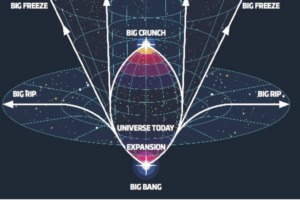
Embracing the synergy between astrophysics and artificial intelligence heralds a new era of scientific exploration. This integrated approach promises accelerated insights into the universe’s origins, structure, and destiny, while inspiring innovative methodologies applicable across various scientific disciplines. For aspiring scientists and researchers, this convergence offers an exciting pathway to expand intellectual horizons and contribute to unveiling the universe’s deepest secrets through the combined power of human curiosity and computational intelligence.
FAQ
What is the relationship between astrophysics and artificial intelligence?
Astrophysics studies cosmic phenomena while AI uses advanced algorithms for data analysis, making their integration crucial for modern research.
How does AI enhance astrophysics research?
AI automates data processing and improves predictive modeling, allowing for deeper understanding of cosmic events and structures.
What are the practical applications of combining astrophysics and AI?
The integration supports autonomous spacecraft navigation, real-time data analysis, and resource management during space missions.

Leave a Reply