
Short Answer
Definition of Electronic Whiskers in Robotics
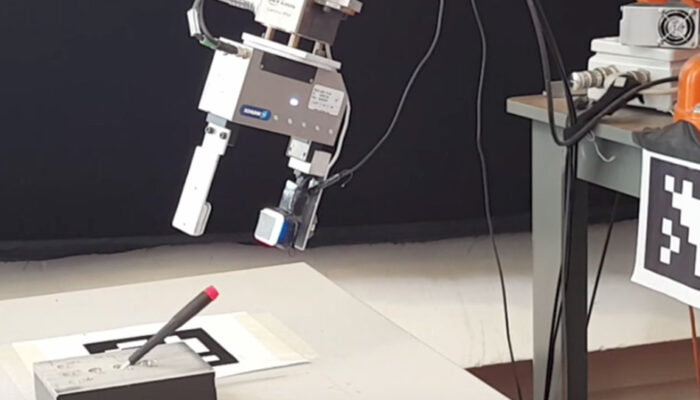
Electronic whiskers are advanced tactile sensors designed to emulate the biological whiskers found in various animals. These sensors provide robots with a sense of touch, allowing them to perceive and interact with their environment more effectively. By replicating the sensitivity and functionality of natural whiskers, electronic whiskers enhance robotic perception and enable nuanced environmental awareness.
- Biological Inspiration:
Natural whiskers, such as those on rodents, cats, and dolphins, serve as highly sensitive tactile organs that detect vibrations, textures, and nearby objects. - Robotic Application:
Electronic whiskers translate this biological mechanism into technology, equipping robots with the ability to sense physical stimuli and respond accordingly.
Technological Foundations and Sensor Types
The core technology behind electronic whiskers involves various transduction methods that convert mechanical stimuli into electrical signals. Key materials and fabrication techniques contribute to their sensitivity and functionality.
- Piezoelectric Materials:
These materials generate an electrical charge when subjected to mechanical stress, enabling detection of pressure or contact forces. - Conductive Polymers:
Their electrical conductivity changes in response to deformation, allowing for detailed measurement of touch and pressure variations. - Microfabrication:
Advanced manufacturing processes create dense sensor arrays that provide high-resolution tactile data.
Electronic whiskers are generally classified into two main categories:
- Passive Sensors:
These sensors respond to external forces without emitting signals, relying solely on the mechanical interaction to generate a response. - Active Sensors:
These devices emit signals that alter upon contact with objects, providing dynamic feedback about the environment.
Mechanism of Operation
Electronic whiskers operate by detecting mechanical interactions with their surroundings and converting these into electrical signals that a robotic system can interpret. When the whisker bends or experiences pressure, the sensor material undergoes deformation, triggering a measurable electrical response. This feedback allows the robot to assess characteristics such as texture, proximity, and force, facilitating more precise and adaptive behaviors.
Applications Across Various Fields
Industrial Automation
In manufacturing settings, robots equipped with electronic whiskers can handle delicate objects with greater care. The tactile feedback helps regulate the amount of pressure applied, reducing damage to fragile materials and improving overall efficiency by minimizing waste.
Healthcare and Surgical Robotics
Electronic whiskers have promising applications in medical robotics, particularly in surgery. By providing tactile feedback, these sensors enable robotic instruments to mimic the sensitivity of human touch, enhancing precision during intricate procedures such as suturing and tissue manipulation.
Exploratory Robotics
Robots operating in challenging environments-such as underwater or extraterrestrial locations-benefit from electronic whiskers by gaining spatial awareness without relying on visual cues. For example, underwater vehicles use tactile sensing to navigate murky waters, detecting obstacles and adjusting their movements accordingly.
Material Science and Future Innovations
The ongoing development of electronic whiskers is closely tied to advances in material science. Researchers are exploring novel materials like nanomaterials and bio-inspired composites to create sensors that are more sensitive, durable, and adaptable. These innovations promise to expand the capabilities and applications of tactile sensing technology in robotics.
Ethical and Social Considerations
The integration of tactile sensing in robots raises important ethical questions. As machines gain human-like sensory abilities, the nature of human-robot interaction is likely to evolve, influencing emotional and psychological responses. This development necessitates careful consideration of how robots are designed to simulate empathy and engage with people.
Enhancing Human-Robot Collaboration
Electronic whiskers can significantly improve cooperation between humans and robots, especially in environments like manufacturing floors or eldercare facilities. Robots capable of sensing touch can better assist humans, making interactions safer and more intuitive. Designing user-friendly interfaces that facilitate this collaboration is a critical area of ongoing research.
Why Electronic Whiskers Are Important
Electronic whiskers represent a major advancement in robotic sensory technology, bridging the gap between mechanical systems and biological touch perception. Their ability to provide detailed tactile feedback enhances robotic precision, adaptability, and safety across numerous applications. As robotics continues to integrate more human-like senses, electronic whiskers will play a vital role in shaping the future of intelligent machines and their interaction with the world.
FAQ
What are electronic whiskers?
Electronic whiskers are tactile sensors that emulate the whiskers of animals, allowing robots to sense touch and interact with their environment more effectively.
How do electronic whiskers work?
They detect mechanical interactions and convert them into electrical signals, enabling robots to assess characteristics like texture and force.
What are the applications of electronic whiskers?
They are used in industrial automation, healthcare robotics, exploratory robotics, and enhance human-robot collaboration.






Leave a Reply