
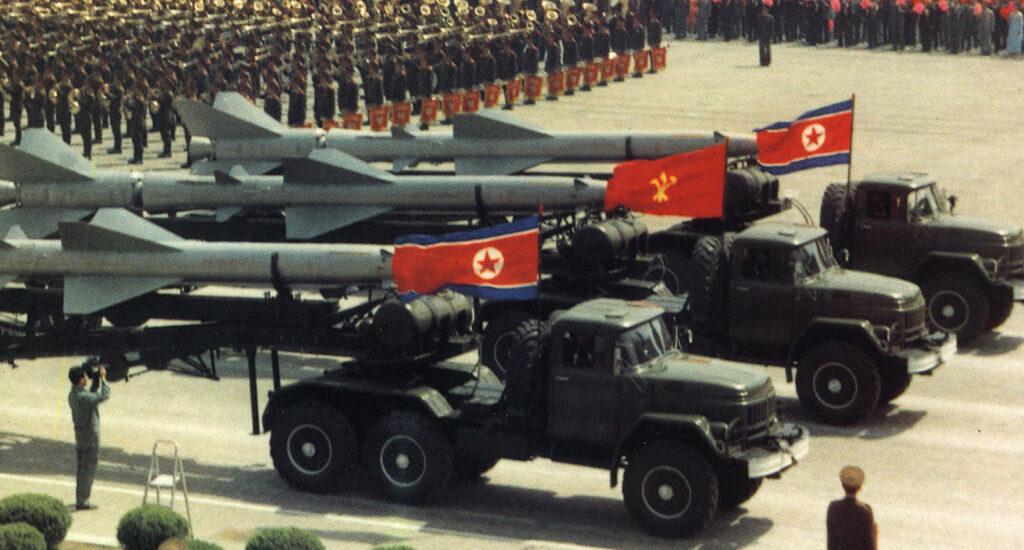
Short Answer
Definition of Nuclear Convoys
Nuclear convoys refer to specially equipped transport units responsible for the secure relocation of nuclear warheads and related materials. These convoys are critical components of a nation’s strategic defense infrastructure, designed to move highly sensitive and potentially devastating armaments safely across various terrains. Due to the immense destructive power of the cargo they carry, nuclear convoys are protected by multiple layers of stringent security measures, including armored vehicles, armed escorts, and advanced surveillance systems.
- Purpose:
To ensure the safe and secure transportation of nuclear weapons and fissile materials. - Composition:
Typically consists of heavily armored trucks, security personnel, and communication units. - Security Protocols:
Employs sophisticated countermeasures to prevent sabotage, espionage, or direct attacks.
Historical Context and Security Challenges
Since the development of nuclear weapons after World War II, nations have established complex logistical frameworks to manage the movement of these armaments. The Cold War era, marked by intense rivalry between superpowers, highlighted the critical importance of safeguarding nuclear convoys. Although no confirmed attacks on these convoys have occurred, several incidents have exposed vulnerabilities and underscored the risks involved.
For example, during the early 1980s, the Soviet Union conducted Operation RYAN, a series of military exercises aimed at detecting potential threats to its nuclear arsenal. These drills revealed weaknesses in convoy security and heightened fears of espionage and sabotage. While no physical assaults took place, the operation illustrated the pervasive anxiety surrounding nuclear convoy protection during periods of geopolitical tension.
Modern Threats and Asymmetric Warfare
In today’s security environment, the threat landscape has evolved significantly. Non-state actors, including terrorist groups and insurgents, have become increasingly capable of targeting military assets, raising concerns about the safety of nuclear convoys. The dissemination of nuclear knowledge and technological advancements have amplified these risks, making the protection of nuclear transport more complex than ever.
Although there have been no successful attacks on nuclear convoys to date, attempts at sabotage and insurgent activities targeting military logistics highlight the ongoing danger. This evolving threat necessitates continuous improvements in surveillance, intelligence gathering, and counter-terrorism strategies to preempt potential attacks.
Security Measures and Strategic Importance
The safeguarding of nuclear convoys is a cornerstone of strategic stability in the nuclear age. Nations invest heavily in intelligence operations and advanced security technologies to mitigate risks. These convoys are often described as “fortresses on wheels,” equipped to withstand a variety of threats while maintaining operational secrecy and mobility.
The potential consequences of a successful attack on a nuclear convoy are catastrophic. Such an event would represent a severe breach of national security and could trigger a chain reaction of retaliatory actions, destabilizing global power balances. The doctrine of mutually assured destruction (MAD) serves as both a deterrent and a fragile foundation for international peace, emphasizing the critical need to protect nuclear assets at all costs.
Geopolitical Implications of Nuclear Convoy Attacks
An assault on a nuclear convoy would have profound geopolitical repercussions. Beyond the immediate security breach, it could provoke widespread panic, escalate military tensions, and potentially ignite large-scale conflict. The delicate equilibrium maintained by nuclear deterrence depends heavily on the inviolability of these transport operations.
Such an incident would challenge existing diplomatic frameworks and could undermine decades of arms control agreements. The international community would face immense pressure to respond decisively, potentially reshaping alliances and defense postures worldwide.
Future Outlook and the Need for Adaptive Security
As warfare tactics continue to evolve, so too must the strategies for protecting nuclear convoys. Both state and non-state actors are increasingly bold in exploiting vulnerabilities within military logistics. This reality demands relentless innovation in surveillance technologies, cybersecurity, and counter-terrorism measures.
Adapting to these emerging threats requires a dynamic approach that integrates intelligence sharing, technological advancements, and international cooperation. Maintaining the security of nuclear convoys is not only a matter of national defense but also a critical component of global stability.
Summary and Conclusion
While no nuclear convoy has ever been successfully attacked, the potential for such an event remains a significant concern. Historical episodes and modern security challenges reveal the delicate balance between safeguarding these powerful assets and the persistent threats they face. The protection of nuclear convoys is essential to preventing catastrophic consequences and preserving international peace.
In an era marked by geopolitical uncertainty and technological change, vigilance and adaptability are paramount. Nations must continue to enhance their security frameworks to ensure that nuclear convoys remain secure, thereby upholding the fragile stability that underpins global security in the nuclear age.
FAQ
What are nuclear convoys?
Nuclear convoys are specially equipped transport units responsible for the secure relocation of nuclear warheads and related materials.
Have there been any attacks on nuclear convoys?
No confirmed attacks on nuclear convoys have occurred, although several incidents have exposed vulnerabilities.
What security measures are in place for nuclear convoys?
Nuclear convoys employ multiple layers of security, including armored vehicles, armed escorts, and advanced surveillance systems.






Leave a Reply